

What Is Ski Racing? A Beginner’s Guide for Parents and New Racers
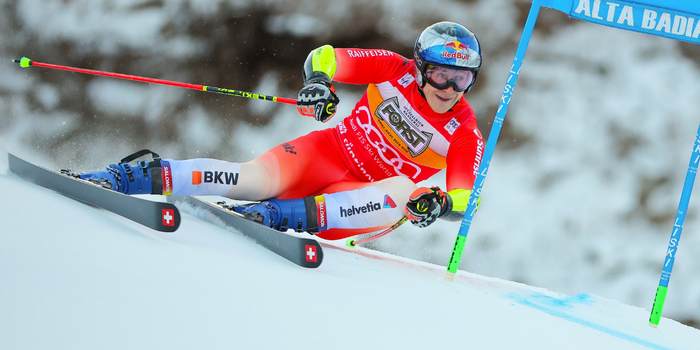
Ski racing is often misunderstood as being all about speed, competition, and podiums. In reality, especially at the beginner and junior level, ski racing is about much more than racing gates.
At its core, ski racing is a structured, skill-focused way for kids to become strong, confident skiers while growing up in a supportive mountain community that teaches life skills far beyond the slopes.
For many families, ski racing becomes not just an activity, but a place where kids learn responsibility, independence, and teamwork, and where parents and volunteers build lasting friendships. It’s a pretty great way to grow up.
What Ski Racing Really Is (and Isn’t)
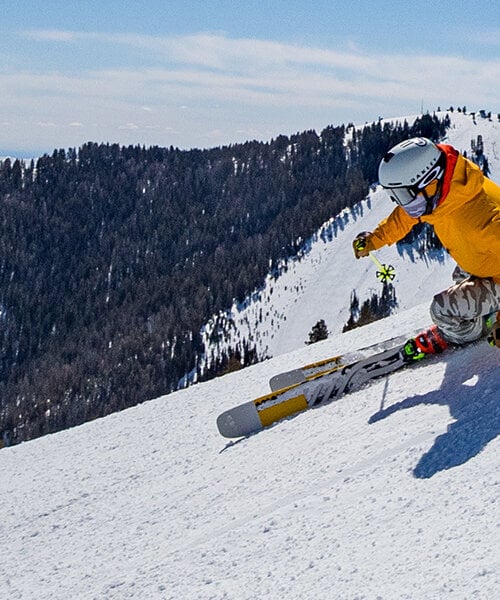
Ski racing is a form of alpine skiing where athletes ski down a course marked by gates, learning to control their turns, manage speed, and ski with precision and confidence. For beginners, the focus is firmly on technique, balance, and consistency, not raw speed.
Just as important, ski racing programs are designed to be age-appropriate and progressive. Kids learn step by step, in a structured environment that emphasizes safety, skill development, and fun.
Ski racing is:
- A way to build excellent skiing fundamentals
- A structured environment with consistent coaching
- A team experience that encourages growth and confidence
Ski racing is not:
- Only for elite or ultra-competitive athletes
- About winning races at a young age
- Unsafe when delivered through a well-run program
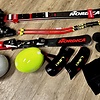
Families who are curious about the equipment involved can explore a full range of ski racing gear and race-specific equipment to better understand how racing setups support control and skill development.
More Than Racing: A Community on the Mountain
One of the greatest benefits of ski racing has nothing to do with finish times.
Race programs create a community where kids grow up together on the mountain. They learn to:
- Be organized and prepared for training days
- Manage their time and responsibilities
- Take care of their equipment
- Listen, learn, and support their teammates
They also learn independence. Getting dressed in all their ski gear, carrying their own equipment, and being on time and ready to go. These small habits build confidence and responsibility that carry far beyond skiing.
Parents play a huge role too. Ski racing is built on volunteers, and kids see their parents and other adults giving back, working together, and supporting the team. Over time, families form friendships that often last well beyond the racing years.
Quite simply, the mountain becomes a second home and a great place to grow up.
Find your local mountain community at one of these lower mainland clubs:
https://cypressskiclub.com/
https://www.grousetyee.com/
https://www.mtseymourskiclub.com/
The Main Types of Alpine Ski Racing
Beginner and junior programs typically focus on three main disciplines.
Kinder Combi Events (U8 / U10)

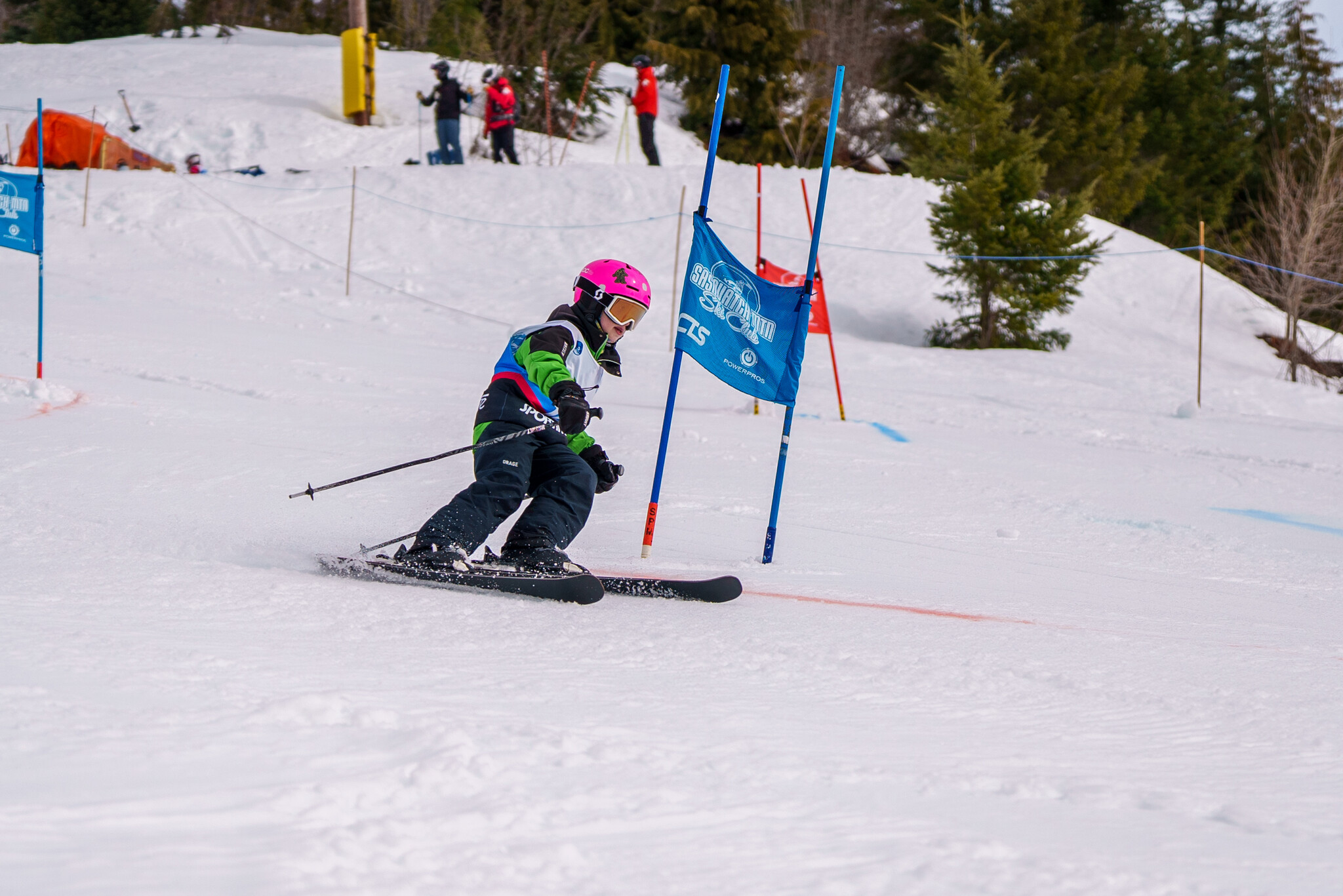
Combi events are often the first introduction to ski racing for younger athletes. These courses blend free skiing with simple race elements, creating a fun and varied experience on the hill.
The focus is on movement, balance, and adaptability rather than speed or results, helping kids build strong fundamentals in a low-pressure environment.
Slalom (SL)
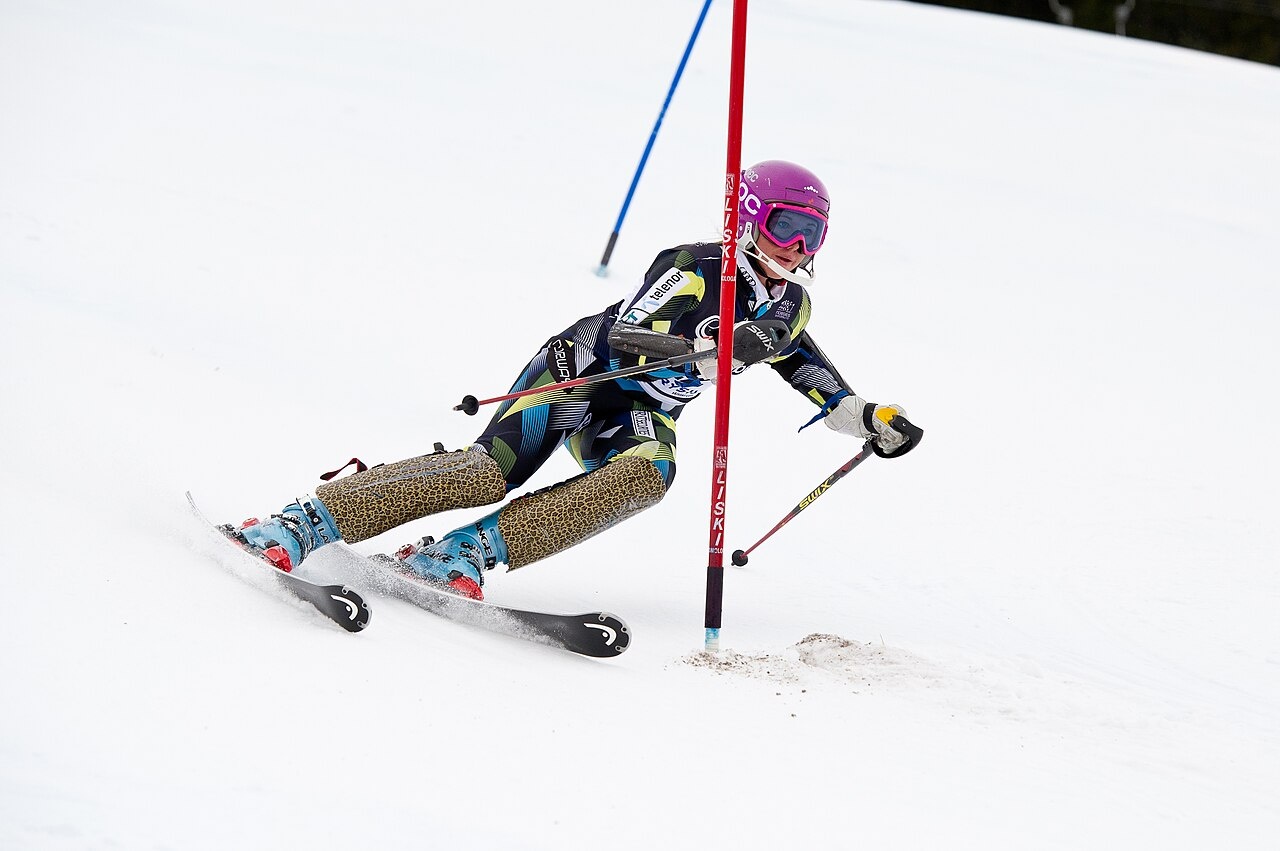
Slalom courses have closely spaced gates that require quick, controlled turns. This discipline builds agility, balance, and strong edge control while teaching rhythm and accuracy.
Giant Slalom (GS)
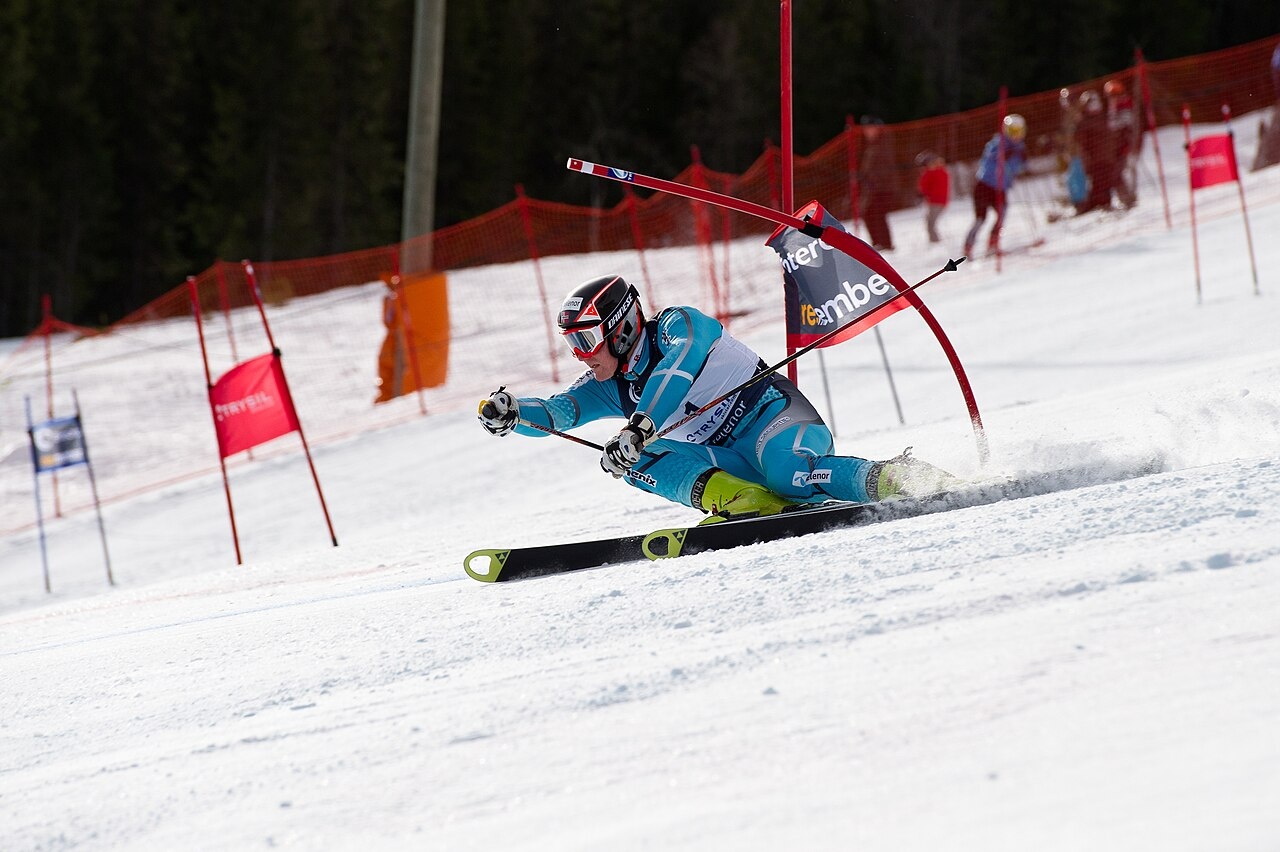
Giant Slalom features wider-spaced gates and smoother, longer turns. GS helps skiers develop flow, stability, and confidence while maintaining strong technique at slightly higher speeds.
Higher-speed disciplines like Super-G and Downhill are introduced much later, once racers have developed solid technical skills and experience.
Who Is Ski Racing For?
Ski racing is well suited for:
- Kids who ski confidently on blue runs
- Young skiers who enjoy structure and routine
- Families looking for a clear next step after lessons
- Kids who want to improve their skiing, even if they’re not highly competitive
Many families move into racing through structured junior ski programs that support progression, skill development, and long-term confidence on snow.
What Parents Should Know Before Getting Started
At the beginner level, ski racing is about learning how to ski well.
Good programs prioritize:
- Proper stance, balance, and turning technique
- Gradual progression based on age and ability
- Safety, confidence, and enjoyment
Coaching quality matters far more than equipment or results. The right environment helps kids feel supported, capable, and excited to learn.
Basic Equipment Used in Ski Racing
Beginner race setups are simple and focused on control:
- Skis appropriate for a child’s size and ability
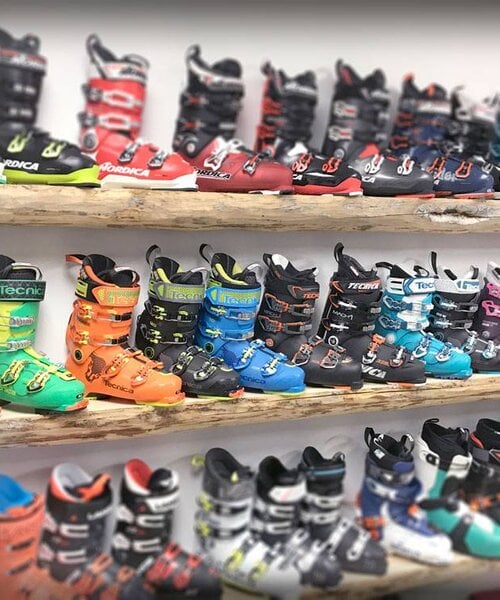
- Properly fitted ski boots that support balance
- Helmets that meet safety standards
- Optional protective gear depending on age and discipline
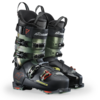
Boot fit plays a major role in comfort and performance. A snug, supportive boot allows young racers to stay balanced and focused during training. Parents can review available options in the ski boots collection and book a fitting to ensure proper support as skills develop.
At early stages, equipment should never feel overly stiff or aggressive. Comfort and confidence are far more important than performance features.
Is Ski Racing Safe for Beginners?
Yes. When kids participate in structured programs with qualified coaches, ski racing is very safe.
Courses are set on groomed terrain, matched to age and ability, and progression is gradual. Many parents notice that children involved in racing become more confident and controlled free skiers as they learn how to manage speed, line choice, and technique in a controlled environment.
How Ski Racing Helps Kids Grow
Over time, ski racing helps kids develop:
- Strong technical skiing skills
- Focus and consistency
- Confidence in challenging situations
- Teamwork and sportsmanship
Even for kids who don’t continue racing long term, the benefits carry into all areas of skiing and life. They become better skiers, but also more organized, capable, and resilient.
Frequently Asked Questions
Do kids need race skis to start ski racing?
Not always. Many beginner programs start with all-mountain or entry-level race skis before transitioning to more specialized equipment.
At what age can kids start ski racing?
Most programs begin between ages 6 and 8, depending on comfort level and skiing ability.
Is ski racing only for competitive athletes?
Not at all. Many kids participate for skill development, friendships, and enjoyment rather than competition results.
Final Thoughts
Ski racing is about much more than racing gates. It’s about kids growing up in a community, learning responsibility and independence, and spending winters in an environment that values teamwork, effort, and fun.
Yes, they become stronger skiers, but just as importantly, they grow into confident, capable humans.
For families considering the next step after lessons, ski racing can be a positive, rewarding experience that creates memories, friendships, and skills that last a lifetime.