
Complete Guide to Ski Shops in Vancouver: Where to Buy, Rent, and Service Your Gear
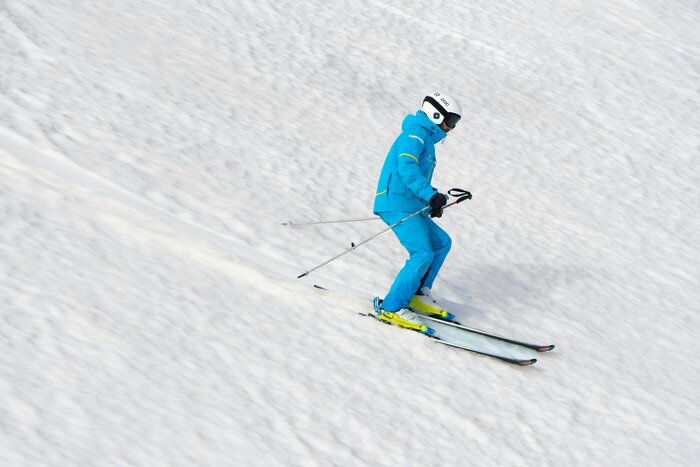
Vancouver is one of the few major cities where you can finish work and still catch night skiing, then be on a chairlift again the next morning. That convenience is precisely why choosing the right ski shop for Vancouver skiers matters: you want gear that fits, is tuned for coastal conditions, and is supported by a service team that can keep you sliding all season.
This guide is built for shoppers who want to compare options and make confident decisions: where to buy skis Vancouver-wide, which services actually matter, how ski boot fitting works in practice, when to rent versus buy, and what to ask any Vancouver ski shop before you spend money.
What makes a great ski shop in Vancouver?
Not all ski shops in Vancouver, BC, are built the same. Some are best for quick rentals, some for value packages, and others for performance fitting and long-term service. The best ski shop in Vancouver is the one that matches your skiing, your budget, and how much you care about fit and tuning.
- Fit expertise (especially boots): A strong ski boot fitter Vancouver customers can trust will assess foot shape, stance, and shell fit, not just hand you a size.
- Selection that matches local conditions: Vancouver snow can range from wet coastal powder to firm groomers. A reputable ski store in Vancouver will stock skis and wax/tuning options that reflect that reality.
- Service capability: If the shop can’t do quality ski tuning skiers need (or ships it out), turnaround times and consistency can suffer during peak season.
- Clear rental policies: For ski rentals, look for transparent pricing, damage policies, and straightforward swaps if the gear isn’t working.
- Honest guidance: The best shops will talk you out of the wrong product, even if it costs them a sale.
If you’re new to Vancouver’s terrain and snowpack, it helps to understand why gear choices can look different here than in colder, drier resort towns. If you want that background, see What Makes Vancouver's Skiing Unique.

Quick map of Vancouver ski shop options (and who each is best for)
When people say “ski shops Vancouver,” they may mean very different kinds of retailers. Here’s a practical way to compare them before you visit.
- Specialty performance shops: Best for precision boot fitting, custom ski boot work, race gear, backcountry setups, and consistent tuning/repair services.
- Big-box sporting goods stores: Best for entry-level pricing, basic accessories, and broad selection; often less personalized fitting and variable service quality.
- Resort-based shops (North Shore mountains): Best for convenience (walk-in rentals, quick adjustments) but can be busy and sometimes higher priced.
- Consignment/used gear shops: Best for budget shopping and kids who outgrow gear quickly; inspect carefully and budget for service.
- Snowboard-focused retailers: Are a viable choice if you need both ski and board support; some are full snowboard shops that Vancouver riders swear by while also carrying limited ski gear.
Where to buy skis in Vancouver (and how to choose the right shop)
If you’re wondering where to buy skis, Vancouver shoppers have three common goals: (1) get the right model for their ability and style , (2) get bindings mounted safely and correctly, and (3) have a shop that will tune and support the setup after the sale. Price matters, but support often matters more over a season.
Step 1: Choose your category before you shop
Most Vancouver skiers fall into one of these categories:
- Resort all-mountain: Your daily driver for groomers, soft snow, and variable conditions.
- Frontside/carving: Great for confident turns on firm snow and lesson-focused improvement.
- Freeride: Wider, more stable skis for soft snow and variable off-piste days.
- Backcountry/touring: Lightweight skis and bindings designed for uphill travel, plus safety gear.
- Race: Stiffer skis, precise boots, and a service program that keeps edges and bases consistent.
A specialized Vancouver ski shop will usually ask where you ski (Whistler, Cypress, Seymour, or Grouse), how often, and what you’re trying to improve. That conversation should feel specific, not generic.
Step 2: Compare selection and setup support
When comparing ski equipment from Vancouver retailers, focus on these decision points:
- Knowledge of the product: Some ski shops actually test and use the gear they sell, so they know it inside out. That means you get expert, personalized advice tailored to your needs and skiing style.
- Bindings and mounting: Ask if binding mounting is done in-house, what standards they follow, and whether remounts are possible if you change boots.
- Demo programs: Some shops run on-snow demo options or will credit demo fees toward a purchase. This can be a huge advantage in Vancouver’s variable conditions.
- After-sale service: Ask what’s included (first tune, binding checks, discounted waxing) and how busy their service department gets mid-season.
If you want to browse a curated ski selection online before visiting a shop, you can start here: Skis.
Step 3: Don’t overlook boots and stance alignment
Many skiers spend hours researching skis and then buy boots as an afterthought. In reality, boots control your skis. A ski shop Vancouver locals recommend for performance will prioritize boots first, then skis.
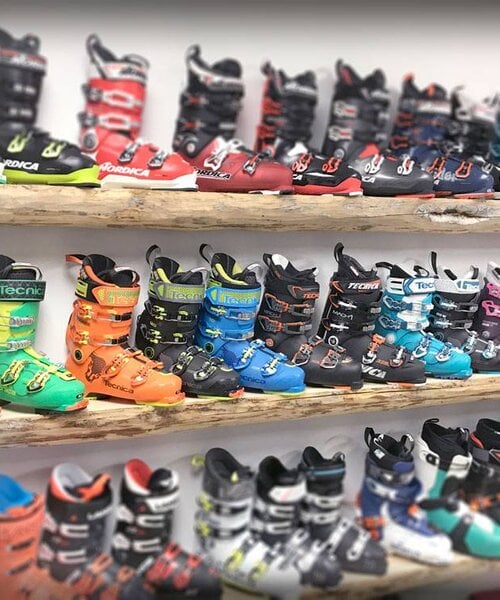
To explore current options, see Ski Boots.
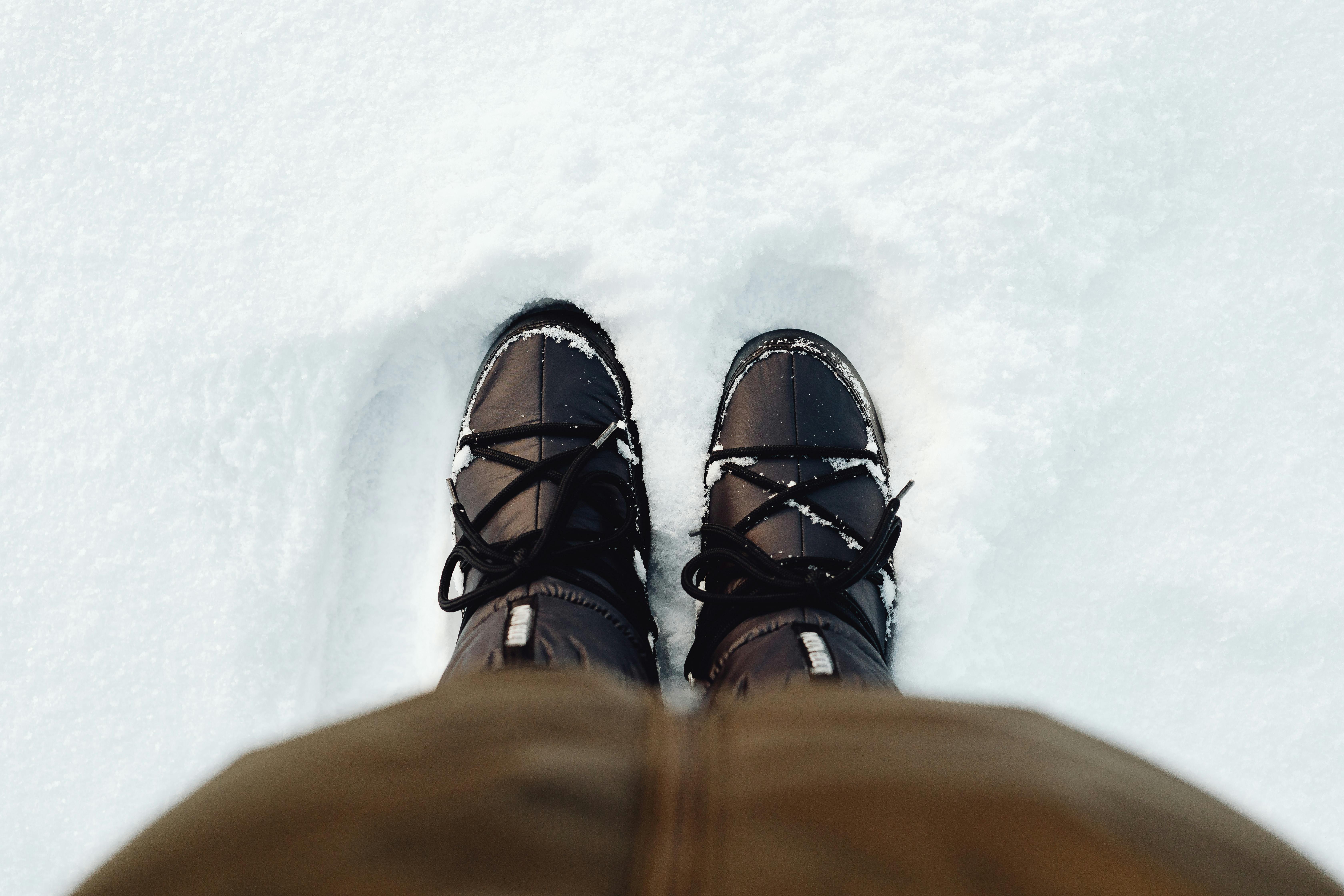
Ski boot fitting in Vancouver: what to expect (and what “custom” really means)
Search “ski boot fitting Vancouver” and you’ll see a wide range of claims. Here’s what reputable boot fitting typically includes and how to evaluate a ski boot fitter Vancouver shoppers can trust.
What a real boot-fit appointment looks like
- Interview: Ability level, terrain, injury history, prior boot issues, and goals (comfort vs. precision).
- Foot assessment: Foot length/width, volume, arch, ankle shape, calf volume, and asymmetries.
- Shell fit check: A core step that tells you if the boot’s shell shape and size are right before liners and footbeds complicate the feel.
- Stance and alignment: A good fitter checks your stance and flex because a stance issue can actually cause “my boots hurt.”
- Plan for modifications: Most skiers need at least minor adjustments; the fitter should explain what they’ll do and why.
If you want a deeper breakdown of the process and why fit changes performance, read the Custom Boot Fitting Guide.
Custom ski boots in Vancouver: common options
“Custom” can mean several things. When people ask for custom ski boots Vancouver shops offer, they’re usually referring to one or more of these services:
- Heat-moulded liners: Helps match liner shape to your foot and reduce pressure points.
- Custom footbeds: Stabilizes the foot, improves edge control, and often reduces fatigue.
- Shell punching/grinding: Targeted relief for bunions, sixth toes, ankle bones, and other hotspots.
- Cuff alignment and canting: Adjusts how your lower leg tracks over the ski for balanced edging.
- Boot board work: Fine-tunes internal volume and stance feel.
If a shop offers custom work, ask what’s included, how many follow-up appointments are typical, and whether there’s a guarantee period. For an example of what a full menu of modifications can look like, see Custom Ski Boot Work.
Red flags when choosing a boot fitter
- They skip shell fit: That’s often a sign they’re selling a size, not fitting a boot.
- They promise “no break-in pain” for everyone: performance fit can be snug; the key is controlled pressure, not numbness.
- They rush you: Good fitting takes time, especially if modifications are needed.
- No plan for follow-ups: Most skiers need tweaks after a few days on snow.
Ski rentals in Vancouver: how to get the right setup (and when renting is smarter)
Ski rental options in Vancouver are plentiful, from city shops to mountain-based rentals. Renting can be the best value when you’re skiing for a few days, travelling, or still figuring out what you like. It can also be a strategic move before buying, especially skis, if you can try multiple shapes and styles.
When you should rent
- New or returning skiers: Rent until you know your preferred terrain and feel.
- Kids who grow fast: Seasonal leases or rentals can save money and hassle.
- Visitors: Avoid transporting gear and choose packages tuned for local conditions.
- Testing before buying: Try different waist widths and turn shapes in the same week.
City rental shop vs. mountain rental shop
- City ski shops: Often better prices, more time for fitting, and less morning lineup pressure. Great if you have a vehicle and can pick it up in advance.
- Resort rentals: Maximum convenience, quick swaps, but busy at peak times and sometimes less personalized attention.
Rental checklist: what to ask before you leave the shop
- Boot fit: Toes lightly brushing when standing; heel held down when flexed; no numbness after a few minutes.
- Ski length and type: Ask why they chose that length for you; ensure it matches your terrain plans.
- Binding settings: Confirm height/weight/ability info was entered correctly and that the tech did a proper check.
- Poles: Correct length matters more than most people think for balance and timing.
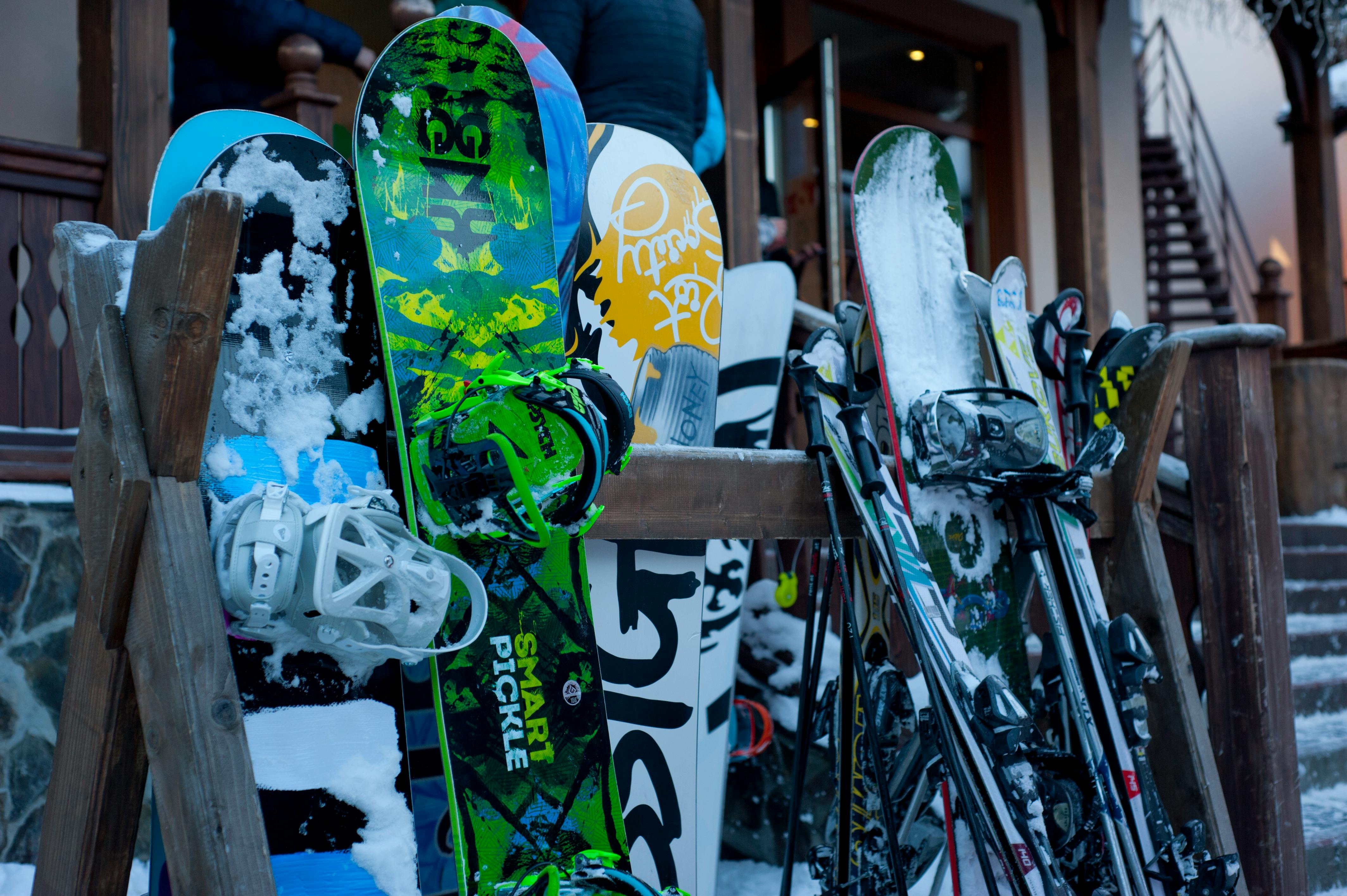
Ski tuning in Vancouver: the service that makes gear feel “new” again
Coastal snow, freeze-thaw cycles, and wet conditions can be tough on bases and edges. Regular ski tuning Vancouver skiers rely on is often the difference between “these skis feel sketchy” and “these skis feel locked-in.”
What a basic tune usually includes
- Base grind (as needed): Flattens the base and refreshes structure for glide.
- Edge sharpening: Restores bite on firm snow; angle choice affects feel.
- Wax: Protects bases and improves glide, especially important in wetter snow.
- Binding check (sometimes separate): Ensures settings and function are correct.
How often should you tune?
- Occasional skiers (5–10 days/season): Wax every few days; edges as needed, usually 1–2 times per season.
- Regular skiers (15–30 days/season): Wax every 2–4 days; sharpen more often if you ski firm evenings.
- Racers and aggressive skiers: Frequent edge work and consistent wax schedules for repeatable performance.
If you’re shopping for a shop with clear service offerings, see Ski and Snowboard Service for an example of common tune and maintenance options.
Questions to ask any shop about tuning
- Is tuning done in-house? In-house often means faster turnaround and more consistent results.
- What edge angles do you use? A reputable shop can explain the tradeoffs for grip vs. durability.
- Do you customize structure and wax for conditions? This matters in Vancouver’s wetter snow.
- What’s your peak-season turnaround time? Plan ahead during holiday weeks.
Ski and Snowboard repairs in Vancouver: when it’s fixable (and when it’s not)
Ski repairservices vary from quick fixes to major base and edge rebuilds. A trustworthy tech will be honest about whether a repair is worth it based on cost, safety, and how the ski will perform afterward.
Common repairs shops can handle
- P-tex base repairs: For gouges and core shots; more profound damage needs more robust repair methods (base welds).
- Edge repair: Small compressions can be smoothed; significant edge separation may require advanced work.
- Delamination assessment: Some delamination can be stabilized; severe cases often return.
- Binding remounts: Possible in many cases, but ski construction and prior holes matter.
What to do before bringing skis in
- Dry them: Prevent rust and help the tech see the true damage.
- Don’t rip out hanging edge pieces: Let the shop evaluate the safest approach.
- Describe what happened: a rock hit at speed vs. a slow scrape can change what the tech looks for.
Snowboard shops in Vancouver: what snowboarders should look for
If you’re also searching for a snowboard shop Vancouver riders recommend, the same principles apply: fit, service, and honest guidance. Even if a retailer is ski-heavy, many offer strong snowboard support as well.
- Boot and binding compatibility: Make sure the shop checks stance angles, width, and binding size.
- Board tuning: Tune and edge profiles differ from skis; confirm the shop tunes boards regularly.
- Outerwear and accessories: Gloves, goggles, and layers matter in wet conditions. Consider browsing Winter Clothing and Winter Accessories as a starting point for essentials.
If you’re shopping specifically for boards, boots, and bindings, you can also explore Snowboarding.
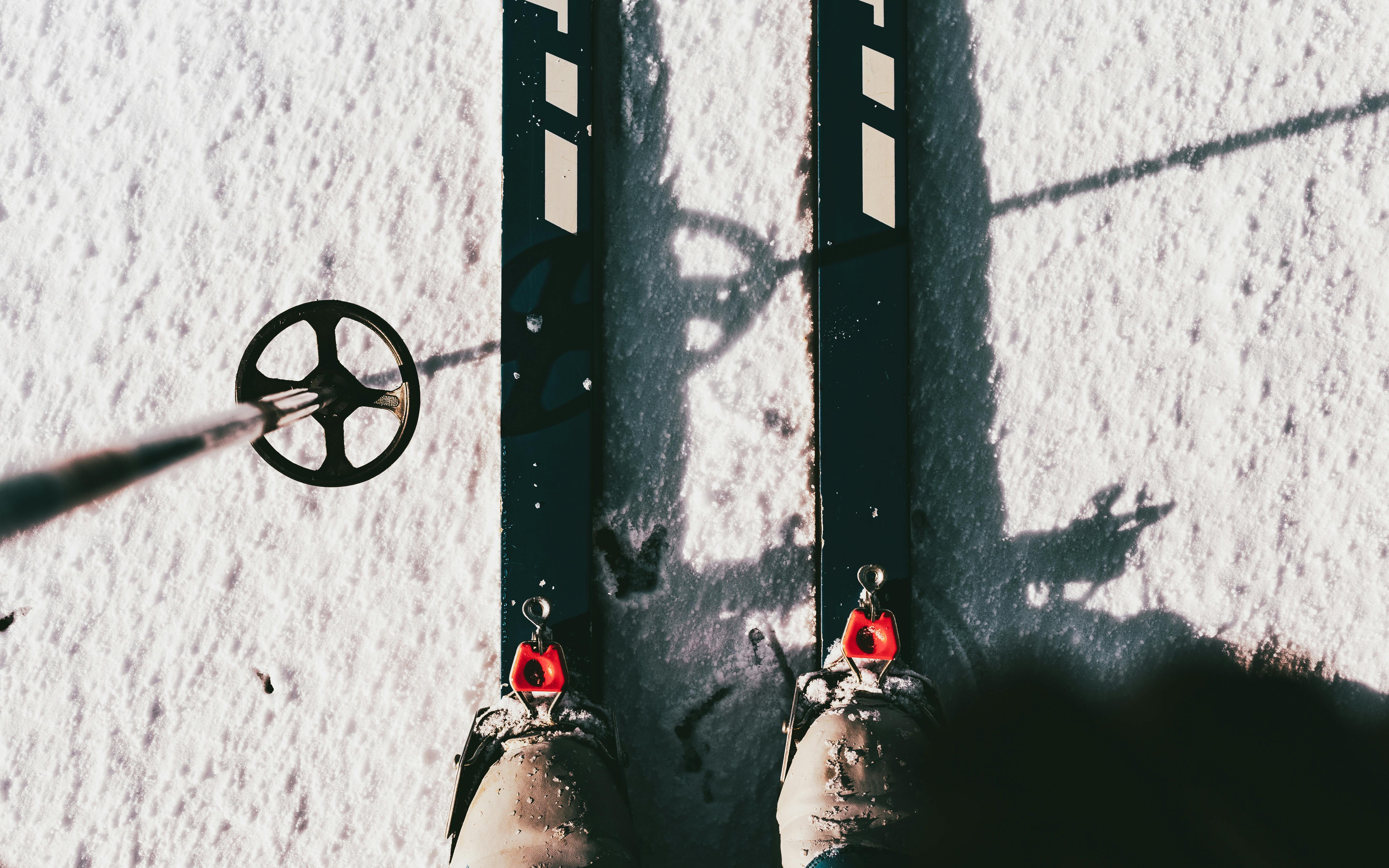
Backcountry gear in Vancouver: shop requirements are higher
Backcountry shopping isn’t just about picking a lighter ski. It’s a system: skis, touring bindings, boots with walk mode, skins, poles, and, most importantly, safety gear and education. A shop selling backcountry setups should be comfortable discussing terrain choices, transition efficiency, and rescue practice basics.
- Essential safety kit: Transceiver, shovel, and probe.
- Pack and carry: Proper fit and easy access matter.
- Setup knowledge: Binding adjustment, tech inserts, and skin fit are not “figure it out later” items.
If you’re starting to build a touring kit, see Backcountry for categories to consider.
How to compare ski shops in Vancouver BC (a practical scorecard)
Use this checklist when you’re deciding between the ski shops Vancouver offers. It helps you compare value beyond sticker price.
- Boot fitting depth: Do they do shell checks, footbeds, liner moulding, and follow-ups?
- Service quality: Ask what machines they use, whether techs are experienced, and what their typical edge/wax approach is.
- Product match: Do they carry gear aligned with your skiing (all-mountain, race, backcountry) or only general inventory?
- Turnaround times: Vancouver's demand for ski tuning peaks mid-season.
- Warranty and problem-solving: Inquire about their handling of defects, early delamination, or binding issues.
- Transparency: Clear pricing and clear explanations beat vague promises.
Buying guide: what to prioritize for your skier type
Different skiers should prioritize different services. Here’s a quick way to decide what matters most when choosing a Vancouver ski shop.
Beginner to progressing skier
- Priority: Comfortable boots, correctly set bindings, and skis that help you learn (not overpower you).
- Shop features to seek: Patient fitting, ability-appropriate recommendations, and affordable tune packages.
Intermediate all-mountain skier
- Priority: Boots that transmit movement precisely, plus skis that handle variable snow.
- Shop features to seek: Strong boot-fitting Vancouver services, plus consistent tuning.
Aggressive skier or frequent Whistler/North Shore skier
- Priority: Performance fit, durable construction, and quick service turnaround.
- Shop features to seek: In-house ski repair Vancouver capability and advanced boot work.
Racer or aspiring racer
- Priority: Repeatability, consistent edge angles, race-ready base prep, and precise boot setup.
- Shop features to seek: race expertise, a clear tuning schedule, and a fitter who understands stance and power transfer.
Families and junior skiers
- Priority: Right-sizing, comfort, and value over multiple seasons.
- Shop features to seek: Lease options or trade-in support, plus quick adjustments as kids grow.
Common mistakes Vancouver shoppers make (and how to avoid them)
- Buying boots too big: It feels comfy in-store but causes heel lift and loss of control. Trust a real shell fit.
- Ignoring tuning until it’s too late: Dull edges on firm evenings can make skiing feel harder than it should.
- Overbuying ski width: Wider isn’t always better; too wide can slow progress on groomers.
- Not budgeting for service: Even great gear needs wax, edge work, and occasional repairs.
- Choosing rentals based on price only: Fit and appropriate ski type matter more than saving a few dollars.
Outfitting checklist: what most people forget to buy
Even experienced skiers sometimes focus on the “big three” (skis/boots/poles) and forget comfort and safety items that make a bigger difference day-to-day in Vancouver conditions.
- Proper socks: Thin, supportive ski socks help with warmth and fit. Avoid thick hiking socks.
- Goggles with the right lens: Low-light lenses matter for coastal storms and night skiing.
- Gloves that handle wet snow: Waterproofing and insulation must match your circulation and typical temperatures.
- Helmet fit check: Bring your goggles to ensure compatibility and no pressure points.
- Base layers: Breathable layers manage moisture when it’s warmer and wetter.
How to get the most out of your visit to a Vancouver ski shop
If you want the best results, especially for boot fitting or a new setup, arrive prepared. You’ll get more accurate recommendations and often save time.
- Bring your current boots (if any): A fitter can diagnose what’s wrong and what to change.
- Bring your orthotics (if you use them): They affect sizing and volume.
- Wear the socks you ski in: Fit changes dramatically with different socks.
- Be honest about ability: Your response helps with binding settings, boot flex, and ski choice.
- Describe your usual day: Groomers, trees, bumps, sidecountry, or learning areas all point to different gear.
Choosing your best ski shop in Vancouver
The best ski shop Vancouver skiers choose is rarely about one single thing. It’s the combination of fit, service, selection, and how the staff supports you after the sale, through tuning, repairs, and the inevitable tweaks that make gear feel right.
If you’re comparing ski shops in Vancouver, focus on what matters most: expert boot fitting, reliable tuning, and quality repair services. You can buy gear almost anywhere, but great fit and service are what truly elevate your season.
If you want to browse gear and service options before visiting in person, explore what Westside has to offer or jump straight to what you need: skis,boots, and service.