



How to Choose the Right Bike for Commuting in Vancouver and the Lower Mainland: Hybrid vs. Gravel vs. Road
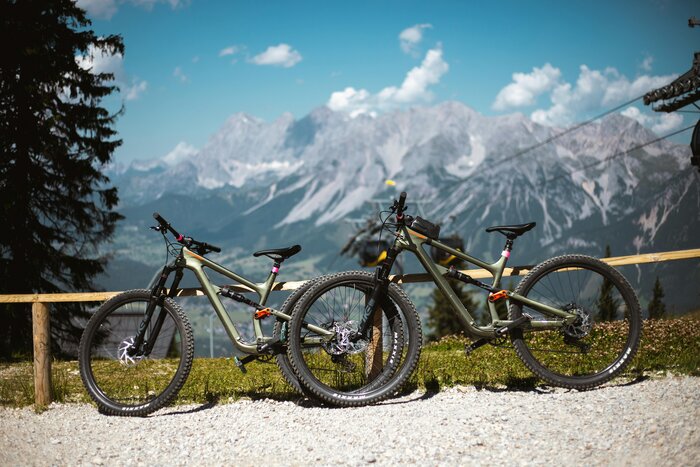
Vancouver is one of the best places in Canada to ride year-round, but it’s also a city that exposes weaknesses in the wrong setup fast: wet pavement, gritty winter roads, short punchy climbs, crowded bike lanes, and the occasional detour onto broken asphalt or park paths.
If you’re shopping for a commuter bike Vancouver riders can depend on, the big decision usually comes down to three categories: hybrid vs gravel bike vs road.
You’ll also find practical specs to prioritize (tires, gearing, brakes, fenders, and racks) so you end up with the best bike for commuting for your schedule, not just the bike that looks fastest on a product page.
Bike commuting in Vancouver: what your bike needs to handle
Before comparing categories, it helps to think like a Vancouver bike commuter: what conditions will your bike face most days?
- Rain and road spray: From fall through spring, wet commutes are common. Fenders and reliable brakes matter more than shaving grams.
- Grit and debris: Bike lanes can collect sand, leaves, and winter grit. Wider tires and puncture protection reduce headaches.
- Stop-and-go riding: Lights, intersections, and mixed traffic reward stable handling, comfortable gearing, and confident braking.
- Hills: Even “flat” routes often include short, steep pitches (bridges, overpasses, or neighbourhood grades). Having low enough gears matters.
- Surface variety: Many commutes mix smooth pavement, rough patches, lane seams, and occasional gravelly shortcuts through parks.
- Security and practicality: You may need rack mounts, lights, lock-up points, and a bike you’re comfortable leaving outside.
Keep these in mind while we compare hybrid bike commuting, road bike commuting, and gravel setups.
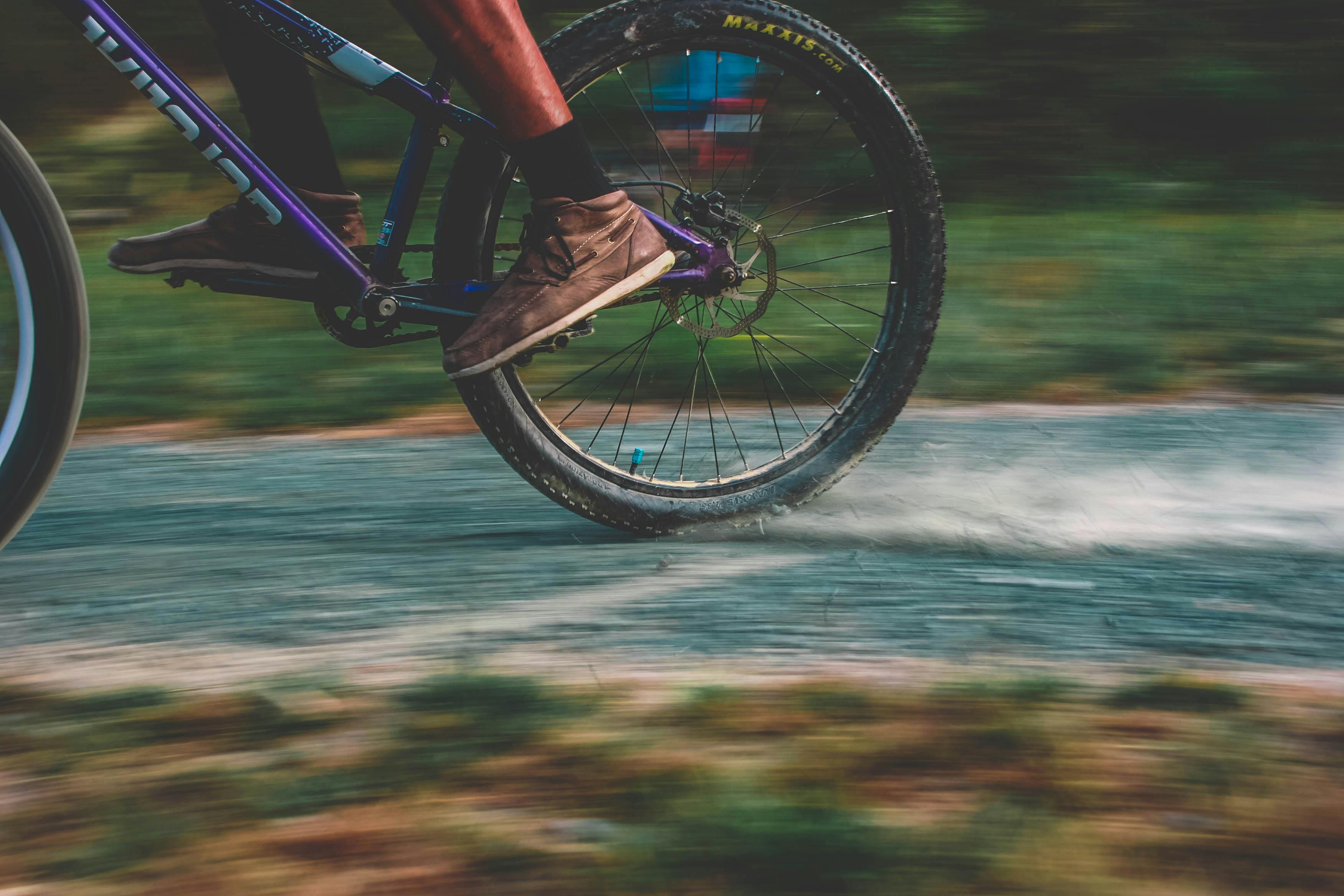
Hybrid vs. gravel vs. road: quick overview
If you want a fast comparison for the best commuter bike, here’s the short version:
- Hybrid bikes: Upright, stable, easy to live with. Typically the best all-around choice for bike commuting Vancouver riders who prioritize comfort, visibility, and carrying capacity.
- Gravel bikes: Drop bars with bigger tires and versatile gearing. A strong “one bike for everything” option, especially if your commute includes rough pavement or park paths or you want weekend adventures. Great choice for a gravel bike Vancouver riders can use year-round.
- Road bikes: Fastest on smooth pavement, best for longer distances and riders who already like a sporty position. Can commute well, but usually needs careful setup for weather, tire clearance, and durability.
Hybrid bikes for commuting in Vancouver
A hybrid blends the comfort and control of a flat-bar bike with efficiency that’s closer to a road bike than a mountain bike. For many people searching “bike to work Vancouver,” a hybrid ends up being the most practical answer, especially if this model is your first serious commuter.
Why a hybrid is often the best bike for commuting
- Upright posture for visibility: You can look around easily in traffic and crowded bike lanes.
- Easy handling at low speed: Great for stoplights, narrow lanes, and weaving through urban obstacles.
- Comfort on rough pavement: Most hybrids accept mid-width tires that smooth out cracks and seams.
- Mounts for fenders and racks: Many hybrids are built with commuting in mind, making it easier to add everyday gear.
Where hybrids can fall short
- Less aerodynamic: If your commute is long and fast, the upright position creates more wind resistance.
- Usually heavier: Not always a deal-breaker, but you’ll notice it on hills or if you carry the bike upstairs.
- Speed ceiling: You can ride quickly, but it won’t feel as “snappy” as a road bike.
What to look for in a hybrid commuter bike Vancouver riders will actually enjoy:
- Tire size: Aim for tires in the ~32–45mm range for Vancouver’s mixed conditions. Wider = more comfort and confidence in wet weather.
- Brakes: Disc brakes are a big advantage in rain. If you commute year-round, prioritize consistent wet braking and lower rim wear.
- Gearing: Look for a low enough climbing gear for bridges and grades, especially if you’ll carry a backpack or panniers.
- Fender and rack mounts: If you plan to ride in rain or carry items, these mounts make life easier.
Best hybrid sub-types: urban vs comfort
Within hybrids, there are two common directions:
- Urban bikes: A bit faster and more “city-focused,” often with a more efficient position and commuting-ready features. See Urban Bikes.
- Comfort bikes: More upright, often with softer contact points and an easygoing feel. Good for shorter commutes and relaxed riding. See Comfort Bikes.
If your goal is dependable daily transportation and you don’t want to overthink it, a hybrid is often the safest path to the best bike for commuting in Vancouver.
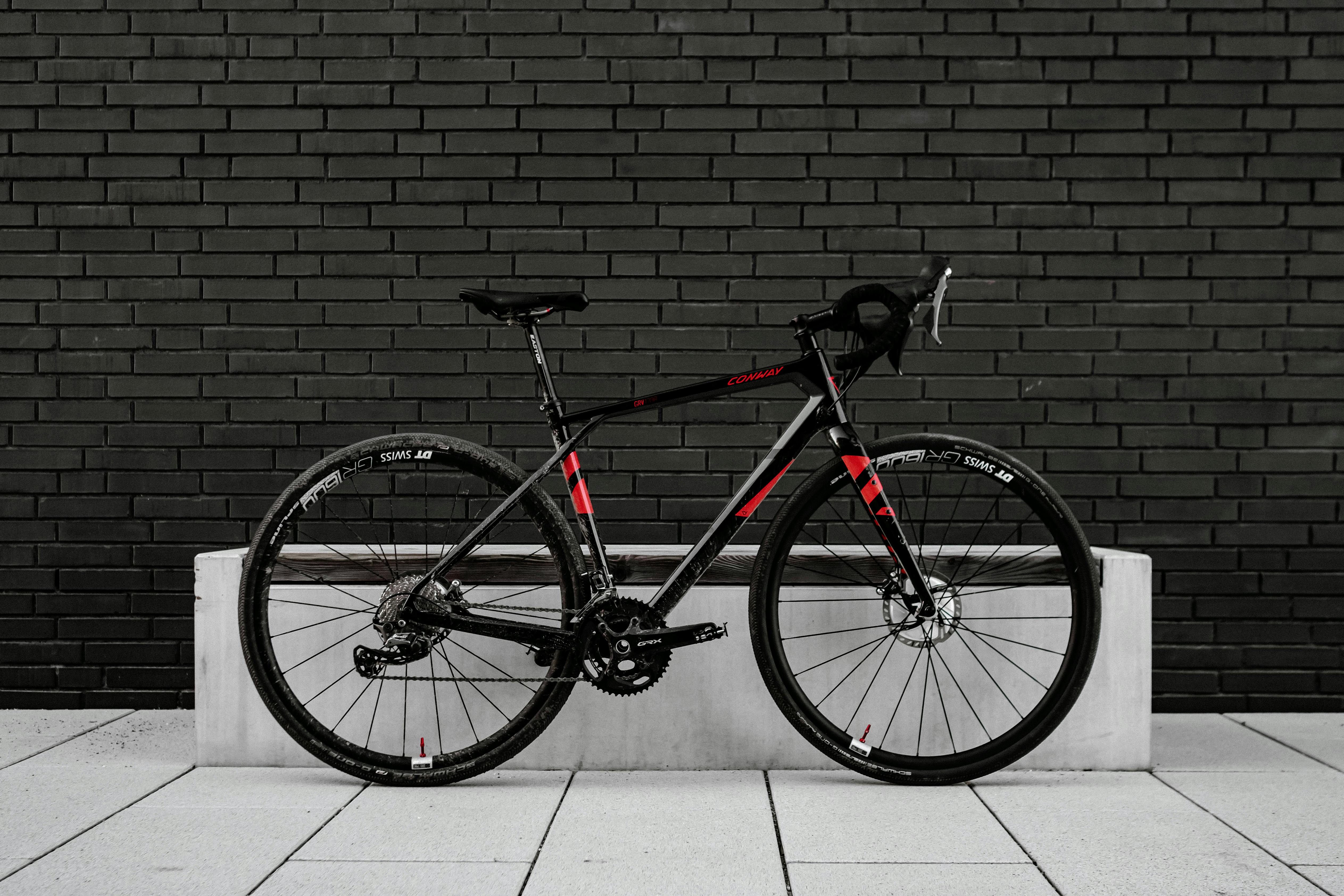
Gravel bikes for commuting in Vancouver
A gravel bike is like a road bike that grew up and got practical: drop bars, endurance geometry, bigger tire clearance, and stable handling. For many riders, especially those weighing hybrid vs. gravel bikes, gravel hits the sweet spot, being efficient on pavement but far more forgiving when the road gets messy.
Why gravel bikes shine for bike commuting Vancouver routes
- Big tire clearance: Wider tires add comfort, grip in wet conditions, and stability on lane debris.
- Versatility: Commute on weekdays, explore on weekends; one bike can do both.
- Confident handling: Gravel geometry is generally stable, which helps in crowded bike lanes and slick corners.
- Many models include mounts: Fenders, racks, and extra bottle cages are common.
Where gravel bikes can be less ideal
- Cost: Gravel bikes often start at a higher price point than basic hybrids.
- Drop-bar learning curve: If you’re new to drop bars, it may take a few rides to feel natural in traffic.
- More choice complexity: Tire size, gearing, and drivetrain options can be confusing without guidance.
How to spec a gravel bike Vancouver commuters can rely on
- Tires for commuting: Slick or semi-slick tires in roughly 35–45mm are a great everyday choice. Treaded tires can feel slower on pavement; save aggressive tread for true gravel days.
- Gearing: If you face hills or carry loads, look for a drivetrain with genuinely low gears. Many gravel bikes offer wide-range gearing that helps on steep grades.
- Brakes: Disc brakes are standard and well-suited to wet commutes.
- Fenders and rack compatibility: Not every gravel bike supports full-coverage fenders with wider tires; check clearance if you plan to ride through winter.
A gravel bike is often the most flexible upgrade from a basic commuter if you want a bike that can handle urban cycling on Vancouver streets and accommodate longer rides, such as seawall loops and park paths. You can browse options here: Gravel Bikes.
Road bikes for commuting in Vancouver
Road bikes are designed for speed and efficiency on smooth pavement. They can absolutely work as a great commuter bike for the right rider, especially if your commute is longer, you value pace, or you already love the road-bike feel. But road bikes require more careful setup for weather and durability.
Why road bikes can be great for road bike commuting
- Fast and efficient: If you’re doing 10–25+ km each way, efficiency matters.
- Lightweight feel: Easier to accelerate and climb, and easier to carry into an apartment or office.
- Responsive handling: Fun to ride if you’re comfortable with a more performance-focused setup.
Challenges for commuter bikes on Vancouver roads:
- Tire clearance limits: Certain road bikes may not accommodate wider tires or full fenders, which can be a significant drawback during rainy months.
- Comfort on rough pavement: Narrower tires transmit more vibration, which adds fatigue and reduces grip on wet, imperfect surfaces.
- Carrying capacity: Many road bikes don’t have rack mounts; you may rely on a backpack or special solutions.
How to choose a road bike for commuting (without regretting it)
- Prioritize endurance geometry: An endurance road bike is typically more comfortable and stable than an aggressive race bike.
- Max tire width: Aim for at least 28mm tire compatibility, and ideally 30–32mm if your frame allows it.
- Wet-weather braking: Disc brakes are a significant advantage for consistency in rain.
- Fender options: If you can’t run proper fenders, plan for more wet-weather mess and maintenance.
If your route is mostly smooth pavement and you want to maintain a strong pace, road bike commuting can be the most time-efficient way to bike to work on Vancouver days. Explore: Road Bikes.

Which is best: hybrid vs gravel bike vs road bike for your Lower Mainland commute?
The simplest way to choose the best bike for commuting is to match the category to your route and priorities.
Choose a hybrid if you want the easiest daily commuter
- You’re new to commuting or returning after a long break.
- Your ride is short- to medium-distance with lots of stops.
- You want upright comfort, effortless handling, and straightforward accessory compatibility.
- You’d like a practical setup with racks, fenders, and a comfortable cockpit.
Start here: Hybrid Bikes.
Choose a gravel bike if you want one bike for everything
- Your commute includes rough pavement, lane debris, or occasional gravel/park paths.
- You want drop-bar efficiency but also comfort and stability in wet weather.
- You’d like to use the same bike for commuting, fitness, and weekend exploring.
Browse: Gravel Bikes.
Choose a road bike if speed and distance are your top priorities
- Your commute is longer and consists mostly of smooth pavement.
- You care about average speed and a lively ride feel.
- You can store the bike indoors and don’t need heavy-duty carrying capacity.
- You’re okay making smart compromises on tire width or fenders (or you’ve confirmed clearance).
Explore: Road Bikes.

Key features that matter more than the category
Two people can buy the same style of bike and have totally different commuting experiences depending on setup. These are the specs that often determine whether a commuter bike Vancouver riders choose ends up being a joy or a chore.
Tires: the biggest comfort and safety upgrade
Tires affect rolling resistance, grip, comfort, and puncture frequency more than most riders expect.
- For most Vancouver commutes: a mid-width tire with excellent puncture protection is ideal.
- Wider tires (32–45mm): better grip and comfort on wet, imperfect pavement.
- Narrow tires (25–28mm): can feel fast but may be harsher and less confidence-inspiring on wet lane seams and debris.
If you’re unsure, pick the widest tire your bike can fit comfortably with fenders (if you plan to use them). This is often the ideal choice for urban cycling in Vancouver.
Brakes: disc vs rim for year-round riding
Vancouver’s wet seasons make braking performance and predictability important.
- Disc brakes: generally offer more consistent braking in rain and reduce rim wear from grit and water.
- Rim brakes: can work, especially in fair weather, but typically require more attention in wet conditions.
Gearing: don’t underestimate hills and headwinds
Even if your route doesn’t look steep, a loaded backpack, a rainy jacket, and a headwind can make the ride feel harder. For the best commuter bike, low gears are often more valuable than ultra-high top-end gears.
- If you carry loads: prioritize low-climbing gear so you can spin comfortably instead of grinding.
- If your commute is flat and quick, you can lean toward slightly higher gearing but still keep a bailout gear for bad-weather days.
Fenders: the make-or-break commuting accessory
For true bike commuting practicality in Vancouver, fenders are one of the highest-value upgrades. They reduce road spray, keep your drivetrain cleaner, and make riding in everyday clothes far more realistic.
- Full-coverage fenders are best for commuting.
- Check tire clearance and mounting points before you buy a bike if you know you’ll ride through rainy months.
Racks and bags: get weight off your back
A backpack works, but panniers often make commuting more comfortable, especially in warmer weather or on longer rides.
- Rear rack + panniers: best for laptops, change of clothes, groceries, and daily hauling.
- Frame bags: useful on bikes without rack mounts, but capacity is more limited.
See commuting essentials here: Bike Accessories.
Lights, helmets, and clothing for Vancouver conditions
Visibility is a safety feature, not an afterthought, especially on darker winter commutes.
- Lights: Use a bright front light for visibility and a rear light to ensure others can see you, even in daytime rain. See Bike Lights
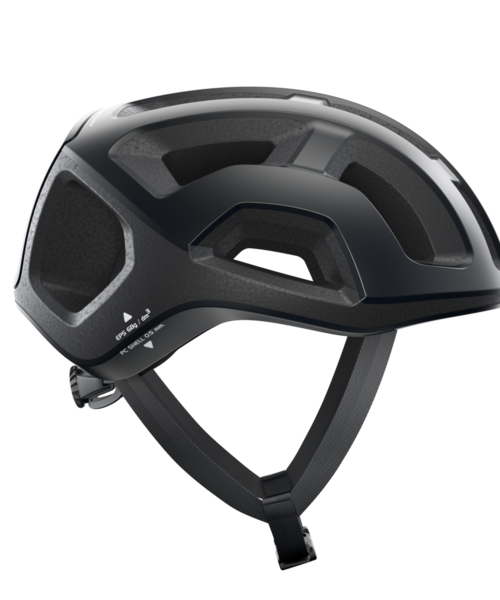
- Helmet: choose one that fits properly and that you will wear on every ride. Browse Bike Helmets.
- Clothing: breathable layers and rain-ready pieces make year-round commuting much more comfortable. See Cycling Clothing.
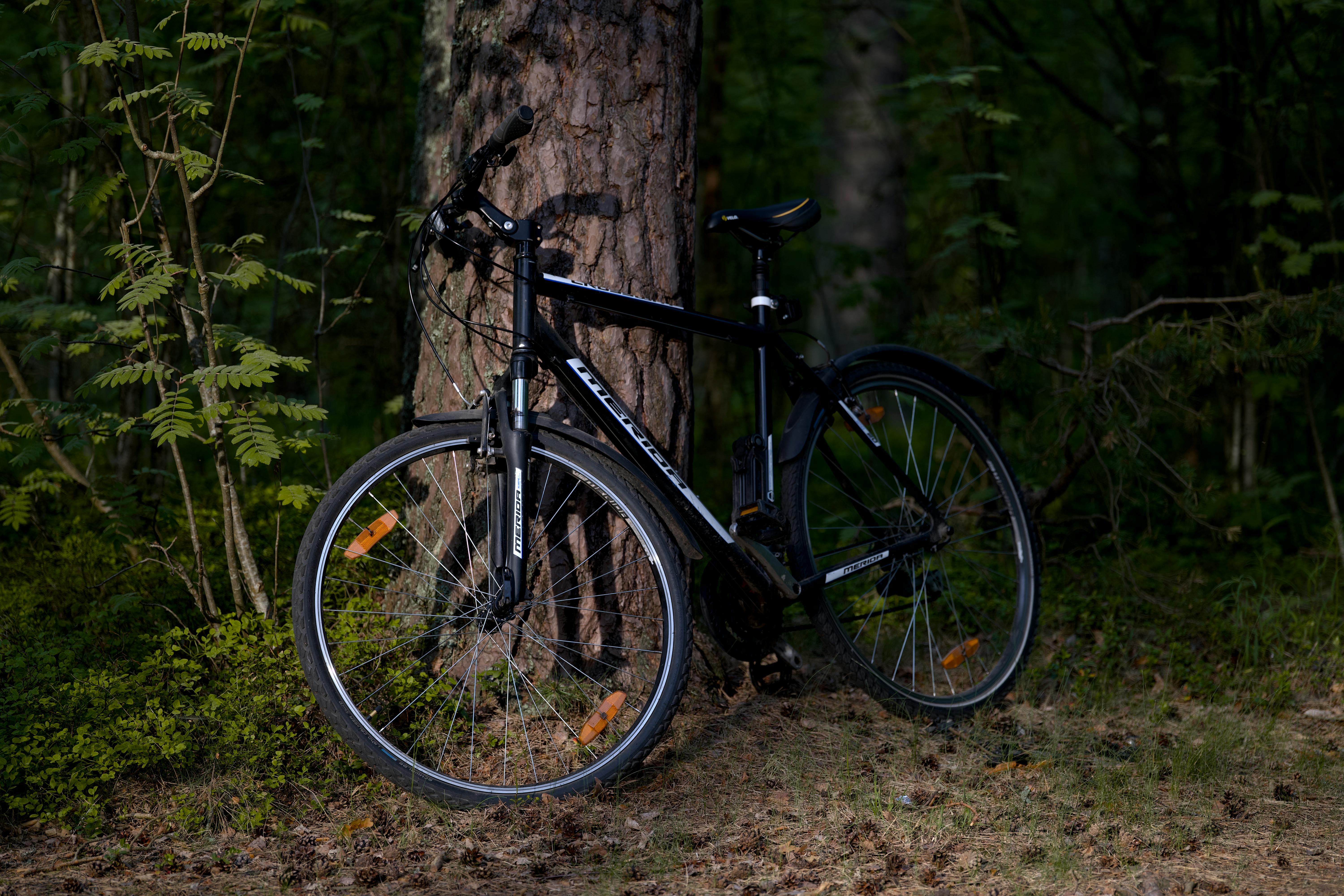
Sample commuter profiles: which bike fits which rider?
If you’re still deciding, these profiles reflect common Vancouver commuting situations.
The all-weather daily rider
You commute most days regardless of rain and want low-stress practicality.
- Best match: hybrid or gravel with full fenders and durable tires.
- Why: stable handling, wet-weather braking, and easy carrying capacity.
The fitness-focused commuter
You want your commute to double as training, and you care about pace.
- Best match: road bike (endurance-leaning) or gravel with faster tires.
- Why: efficient position and quicker acceleration make longer commutes feel smoother.
The mixed-surface shortcut taker
Your route includes park paths, rough side streets, or detours.
- Best match: gravel bike.
- Why: bigger tires and stable geometry handle unpredictable surfaces confidently.
The short-distance city errand rider
You cycle a few kilometres at a time, and you want comfort.
- Best match: hybrid (urban or comfort depending on posture preference).
- Why: easy starts/stops, upright visibility, and straightforward accessory setup.
What about “urban bikes” specifically?
“Urban” can mean different things depending on the brand, but generally it points to a city-focused hybrid designed for daily transportation. If your top priority is reliable urban cycling, Vancouver commuting, bike lanes, errands, and consistent handling, an urban hybrid is often the most purpose-built option.
See the category here: Urban Bikes.
Budget and value: where to spend for the biggest commuting payoff
Price matters, but value matters more. For commuting, the best upgrades are usually the ones that reduce friction: fewer flats, better wet control, and easier carrying.
- Worth paying for: reliable disc brakes (especially for year-round riding), durable wheels/tires, and a drivetrain with sensible gearing.
- Often added later: racks, fenders, and lights, though if you’re commuting right away, budgeting for these from day one makes sense.
- Nice-to-have: carbon components or race-focused parts that prioritize weight over durability.
If you’re comparing two bikes and one fits fenders and wider tires more easily, that bike often becomes the better commuter bike Vancouver choice, even if the other one is slightly lighter or has a flashier drivetrain.
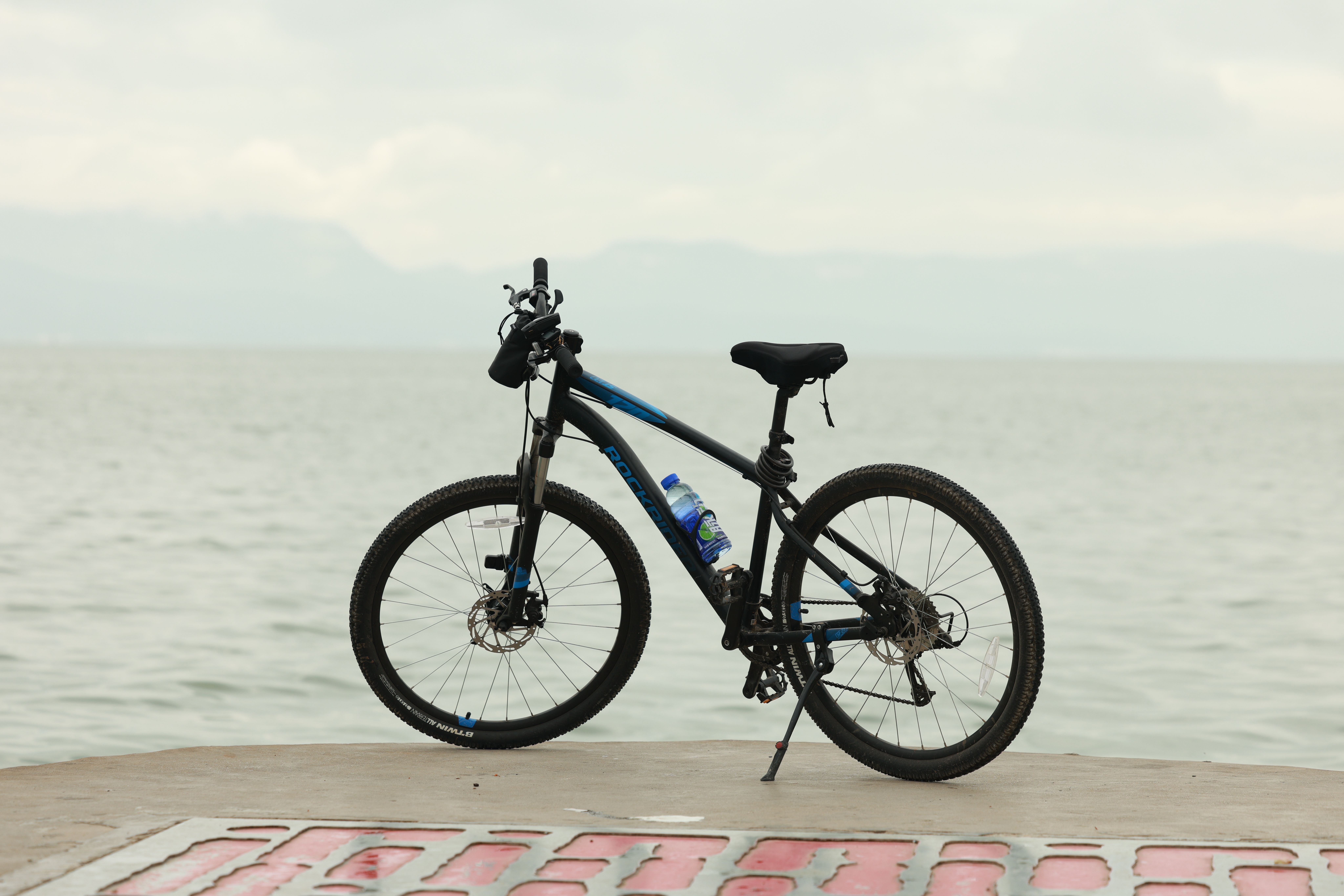
Test-ride checklist: how to tell if a bike will work for you:
When you’re close to choosing, a short test ride can reveal a lot. Use this checklist to compare hybrid vs gravel bike vs road options realistically.
- Comfort in your hands and shoulders: any strain now will be worse in rain and traffic.
- Start/stop stability: does the bike feel easy to control at low speeds?
- Braking confidence: do you feel in control with one- and two-finger braking?
- Gear range: can you imagine climbing your steepest hill without grinding?
- Surface feel: ride over rough pavement—does it feel harsh or manageable?
- Practical compatibility: look for mounts and clearance for fenders/racks if you plan to use them.
Maintaining a commuter bike in Vancouver’s wet seasons
Rain and grit accelerate wear and tear. A little routine care keeps your bike quieter, safer, and cheaper to run.
- Wipe and lube the chain: more often in winter. A clean drivetrain shifts better and lasts longer.
- Check tire pressure: underinflation increases punctures and feels sluggish.
- Brake check: wet conditions can wear pads faster and expose alignment issues.
If you want a simple maintenance routine, this guide is a helpful companion: How to Tune Up a Bike. You can also book your bike in for service with us at Westside. Book Here.
Planning your commute: route ideas and surface choices
Sometimes the best upgrade isn’t the bike; it’s the route. Vancouver offers a range of options from protected lanes to scenic paths, and choosing smoother, safer segments can make almost any bike feel better.
If you’re looking to expand your riding options beyond the fastest line on the map, you may enjoy: Exploring Vancouver’s Best Bike Trails.
Shop by category: find your commuting setup
If you’re ready to compare models side-by-side, start with the bike type that matches your priorities:
- Bikes
- Hybrid Bikes (including Urban Bikes and Comfort Bikes)
- Gravel Bikes
- Road Bikes
- Bike Accessories and Bike Helmets
Bottom line: the best commuter bike is the one that matches you and your daily route
For most riders, the decision comes down to this:
- Hybrid is usually the easiest, most practical answer for everyday bike commuting in Vancouver, upright, stable, and accessory-friendly.
- Gravel is the most versatile option, particularly if you seek comfort and confidence on rougher pavement while maintaining drop-bar efficiency.
- Road is the best fit when speed and distance matter most, especially if your route is mostly smooth pavement and you're set up for wet weather.
Whichever you choose, prioritize tires, braking, and all-weather practicality. That’s what makes a bike reliable for commuting and keeps you riding consistently year round in Vancouver and the Lower Mainland.