
Do You Have to Wear a Helmet While Cycling in BC? The Laws Every Rider Needs to Know
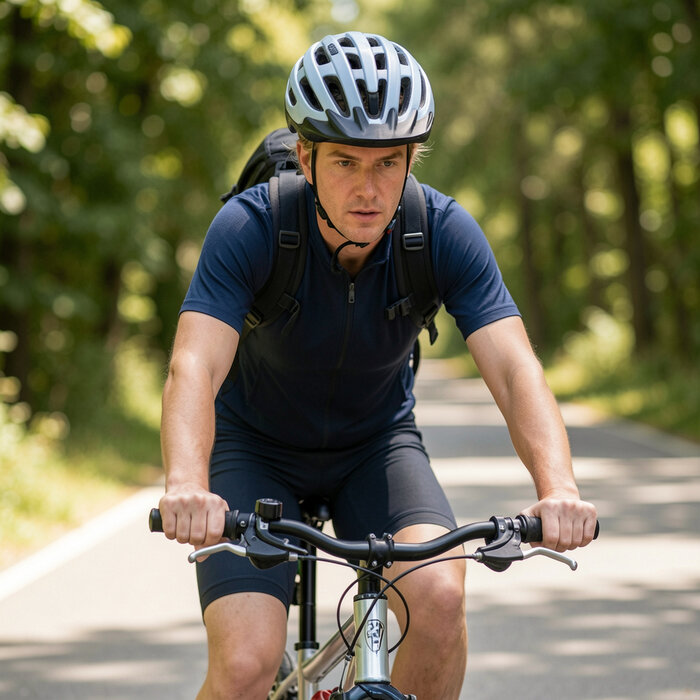
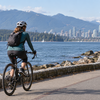
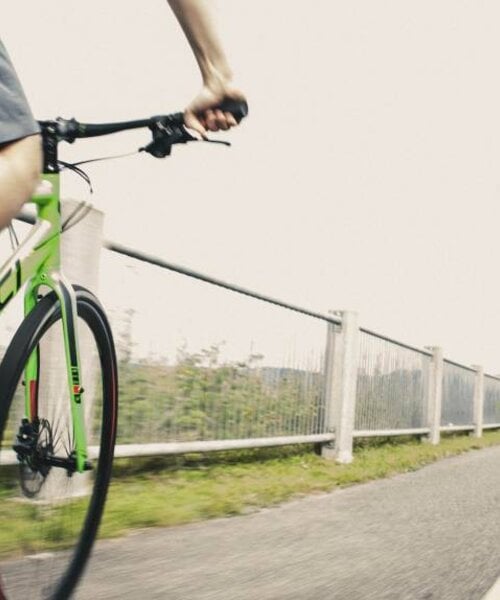
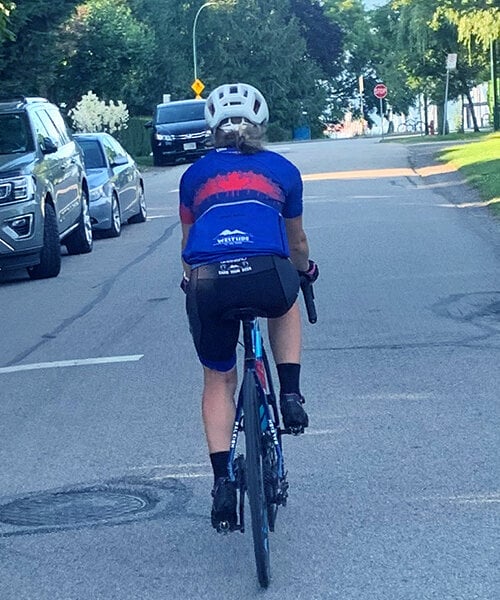
Yes. Helmets are mandatory for cyclists of all ages in British Columbia, with no exceptions based on age. It doesn't matter if you're riding a road bike on the Seawall or a mountain bike on the North Shore; if you're on a public road in BC, you need a helmet. This applies to e-bikes too.
Here's what the law actually says, what the fine is, and what counts as an approved helmet.
The Law: Section 184 of the Motor Vehicle Act
The BC helmet requirement comes from Section 184 of the Motor Vehicle Act. The language is straightforward: cyclists of all ages must wear a bicycle safety helmet whenever riding on a public road.
Parents and guardians take on an additional responsibility for children under 16. If a child under 16 is caught riding without a helmet, the fine falls on the parent or guardian, not just the rider.
The fine for cycling without a helmet in BC is $29, plus a victim surcharge, bringing the total to approximately $33. It's not a significant financial penalty, but it shows up as a violation ticket.
The more meaningful reason to wear one has nothing to do with the fine. Head injuries from cycling incidents are well-documented, and a properly fitted, certified helmet reduces the risk of serious injury significantly.
BC Is Different from Most of Canada
This requirement surprises many cyclists who move to BC from other provinces. BC requires helmets for riders of all ages. Most other Canadian provinces do not.
Ontario, Alberta, and Quebec only require helmets for cyclists under 18. An adult in those provinces can legally ride without a helmet. In BC, that same adult gets a fine.
BC has had a universal helmet law since 1996, one of the first provinces to legislate it. The intent was straightforward: head injuries don't discriminate by age, and the law reflects that.
If you're new to Vancouver from another province, the expectation here is different. The law is enforced, though inconsistently depending on the area and the officer.
What Counts as an Approved Helmet?
Not every helmet qualifies. BC's Bicycle Safety Helmet Standards Regulation specifies the certifications a helmet must meet to be legal on a public road.
Accepted safety standards include:
- CPSC (Consumer Product Safety Commission) — the standard on most helmets sold in North America
- EN 1078 — the European standard, common on many road and commuter helmets
- ASTM F1447 — another widely used US standard for cycling helmets
- Snell B-90 or B-95 — a higher-end certification less common but fully accepted
Most helmets sold at a reputable bike shop will meet at least one of these standards. The certification is usually printed inside the helmet or on a sticker near the rear.
What doesn't count: ski helmets, skateboard helmets, and motorcycle helmets do not satisfy BC's cycling helmet standards for road use, even if they offer comparable or greater protection. If you're riding a bike on a public road, it needs to be a certified cycling helmet.
E-Bikes Follow the Same Rules
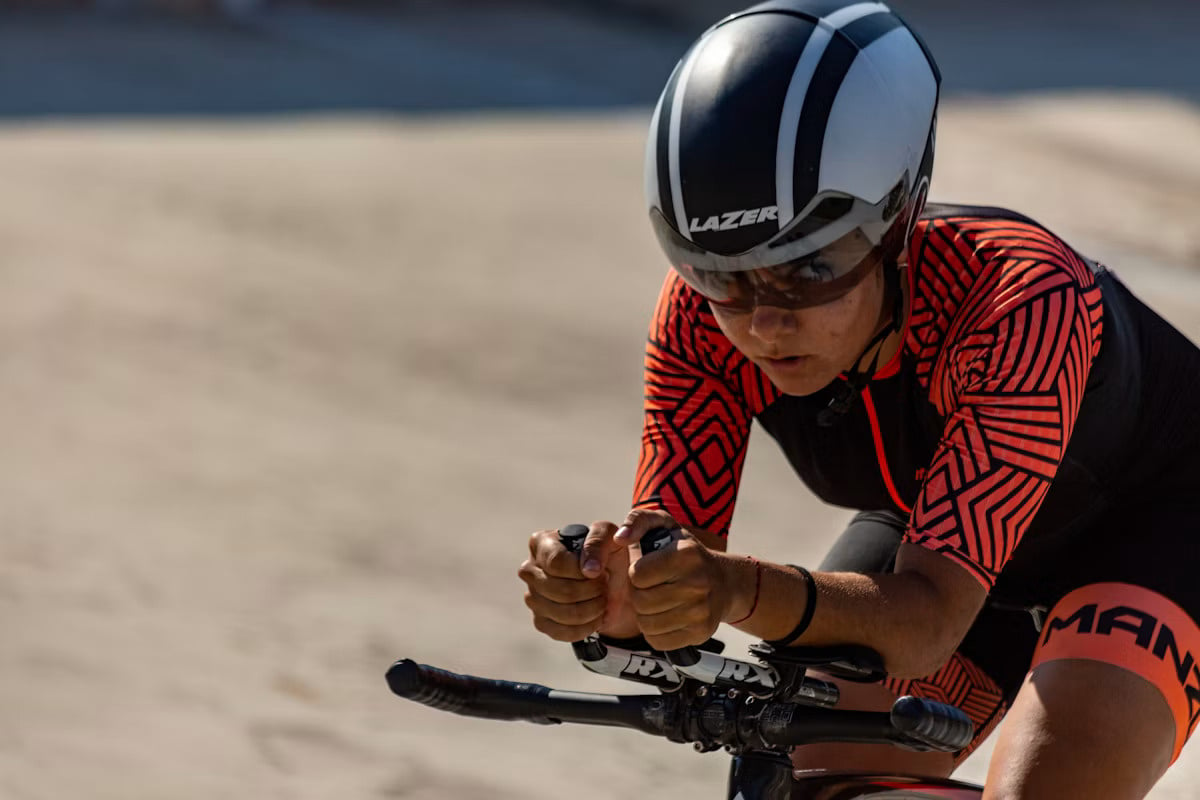
If you ride an e-bike in BC, the helmet law applies in exactly the same way. All ages, all e-bike classes, and all public roads are included.
BC classifies most e-bikes as motor-assisted cycles, which are subject to the same road rules as standard bicycles for helmet purposes. The additional speed capacity of some e-bike classes makes the helmet requirement more important, not less.
The only exception involves e-bikes that are classified as limited-speed motorcycles or mopeds under BC regulations. Those require a motorcycle-approved helmet and a valid driver's license. If you're buying an e-bike, it's worth confirming the classification before assuming the rules are identical.
What About Shared Paths and Private Trails?
The Motor Vehicle Act applies on public roads. Technically, a shared-use path like the Seawall or the Central Valley Greenway may not meet the strict definition of a "public road" in all circumstances.
In practice, the distinction rarely matters in Vancouver. Police enforce the helmet law on bike lanes and shared paths throughout the city. The City of Vancouver and Metro Vancouver follow BC's provincial standard across their infrastructure.
For private land and off-road trails, the law doesn't apply in the same way. A trail on private property, or a dedicated mountain bike park, is not a public road. That said, the operator sets helmet requirements at bike parks, which are almost universally mandatory regardless of the law.
The practical answer: wear a helmet everywhere. The legal answer: the law requires it on public roads.
Does Your Helmet Actually Have to Fit?
This part gets overlooked. A helmet that doesn't fit correctly doesn't protect you as it should and technically doesn't satisfy the spirit of the law, even if it has the right certification.
A properly fitted cycling helmet sits level on the head, covers the forehead to about two finger-widths above the eyebrows, and has straps that form a V shape just below the ears. The chinstrap should allow no more than one or two fingers between it and your chin. The helmet should not rock forward, backward, or side to side when the straps are fastened.
Replace your helmet after any significant impact, even if there's no visible damage. The foam inside a cycling helmet is designed to compress on impact to absorb energy. Once it's compressed, it doesn't reset.
Helmets also degrade over time from UV exposure, sweat, and general wear. Most manufacturers recommend replacing every three to five years regardless of impact history.
Choosing the Right Helmet for How You Ride
The law requires a certified helmet. Which certified helmet you choose depends on what kind of riding you do.
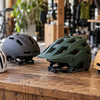
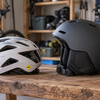
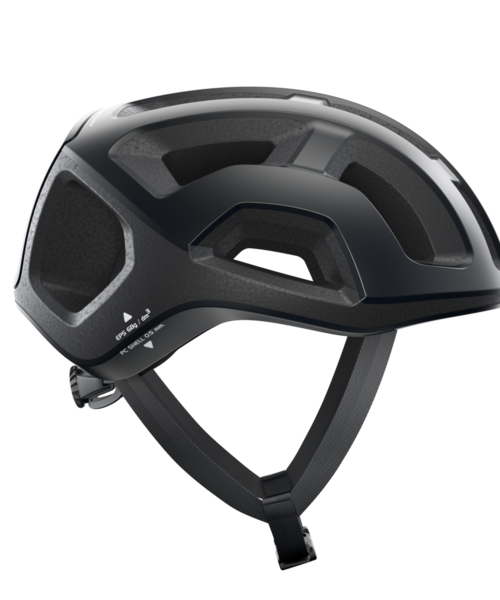
Road and commuter helmets prioritize ventilation and being lightweight. More vents, longer coverage at the rear of the skull, and an aerodynamic profile. Good for the Seawall, the Adanac Bikeway, and longer road rides. For road and gravel riders, we often recommend the Sweet Protection Fluxer MIPS. It's lightweight and well ventilated, with MIPS rotational protection at a mid-range price, which makes it one of the better value picks we carry.
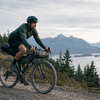
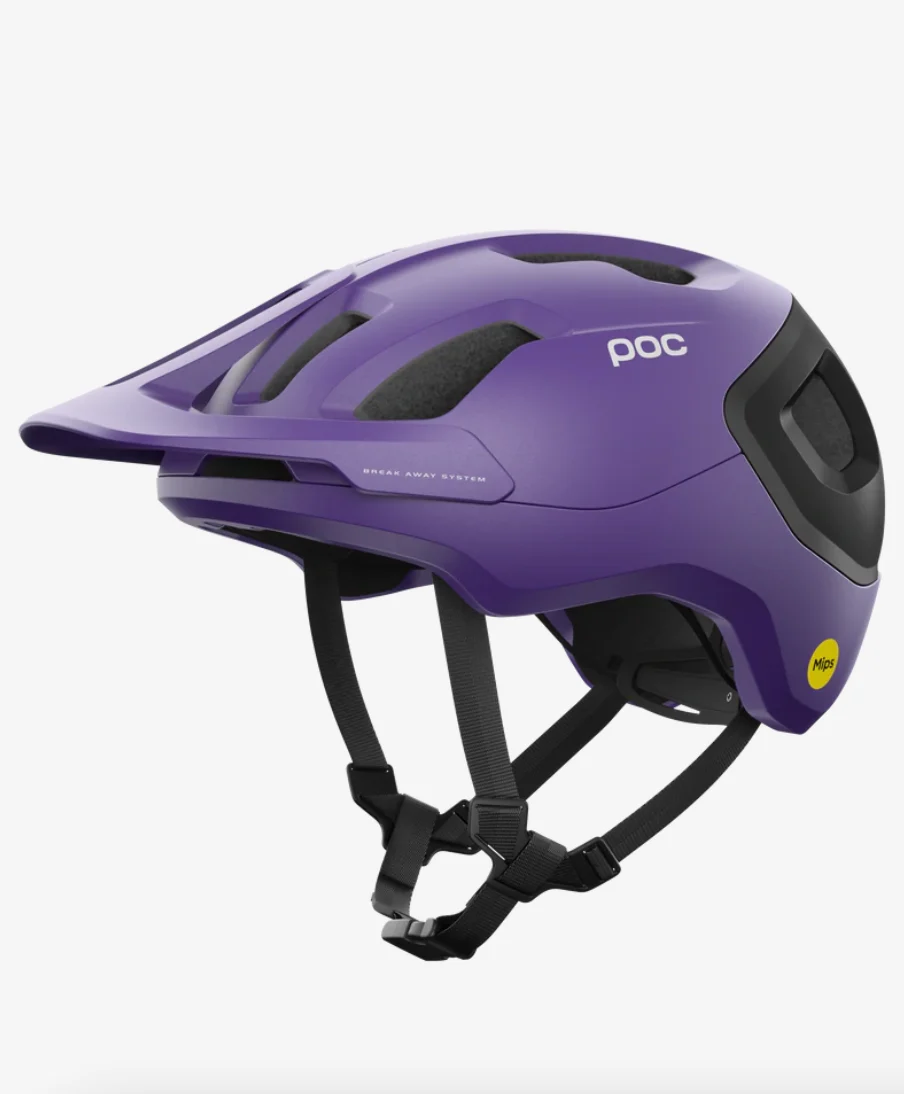
Mountain bike helmets have more coverage at the sides and rear, a visor, and are built to handle impacts from falls on technical terrain. Full-face versions add chin protection for downhill and enduro riding. For trail riding, the POC Axion Race MIPS is a versatile pick. It fits a wide range of head shapes, ventilates well on long days out, and its adjustable visor works with goggles.
Urban commuter helmets often prioritize a lower-profile look and integrated lights, making them practical for daily city riding without looking like a road cyclist.
MIPS (Multi-directional Impact Protection System) is available across all categories now and adds rotational protection at a modest price increase. Worth considering for most riding styles.
Browse bike helmets at Westside to see what we carry across road, trail, and urban commuter options.
Frequently Asked Questions
Is it illegal to ride a bike without a helmet in BC?
Yes. BC's Motor Vehicle Act requires helmets for cyclists of all ages on public roads. The fine is $29 plus a victim surcharge, approximately $33 in total.
Do adults have to wear helmets while cycling in BC?
Yes. Unlike most Canadian provinces that only require helmets for riders under 18, BC requires them for all ages.
What is the fine for not wearing a helmet while cycling in BC?
$29 base fine plus a victim surcharge. The total is approximately $33.
Do I need a helmet to ride a Mobi bike in Vancouver?
Yes. Mobi and other bike-share services operate on public roads, so BC's helmet law applies. Mobi does not provide helmets with rentals. You need to bring your own.
Are e-bikes subject to the BC helmet law?
Yes. E-bikes classified as motor-assisted cycles follow the same helmet rules as standard bicycles. All ages, all public roads.
Which Canadian provinces require helmets for adult cyclists?
British Columbia requires helmets for all ages. New Brunswick and Nova Scotia also require helmets for all ages. Most other provinces, including Ontario, Alberta, and Quebec, only require them for riders under 18.
Do ski helmets count as approved cycling helmets in BC?
No. BC's Bicycle Safety Helmet Standards Regulation specifies cycling-specific certifications. Ski, skateboard, and motorcycle helmets do not meet the standard for cycling on public roads.
Browse the bike helmet selection at Westside Sports, or come in and we'll help you find the right fit. If you're gearing up for Vancouver's best bike trails, the full bike accessories range has everything else you need before you head out.