






Aluminium vs Carbon Road Bikes: Is the Price Difference Actually Worth It?
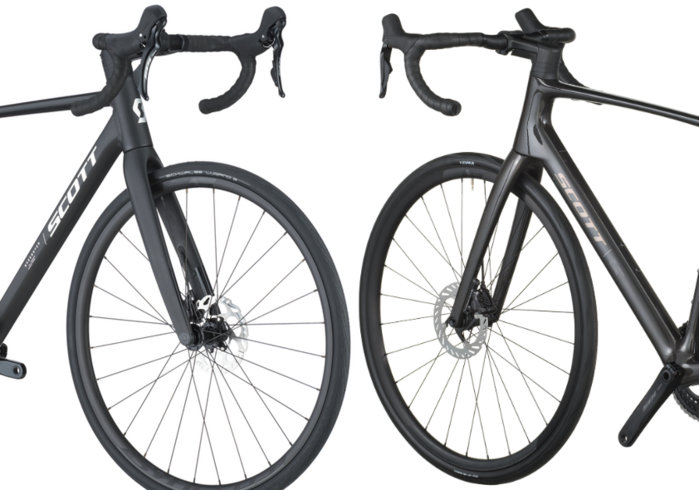
For most riders, the answer is "not at the price where most people buy carbon." The aluminium vs carbon debate is real, but it's often settled before riders fully understand what they're paying for, and that leads to a lot of expensive regret. Here's a straight comparison across the factors that actually matter, followed by a clear framework for deciding which makes sense for you.
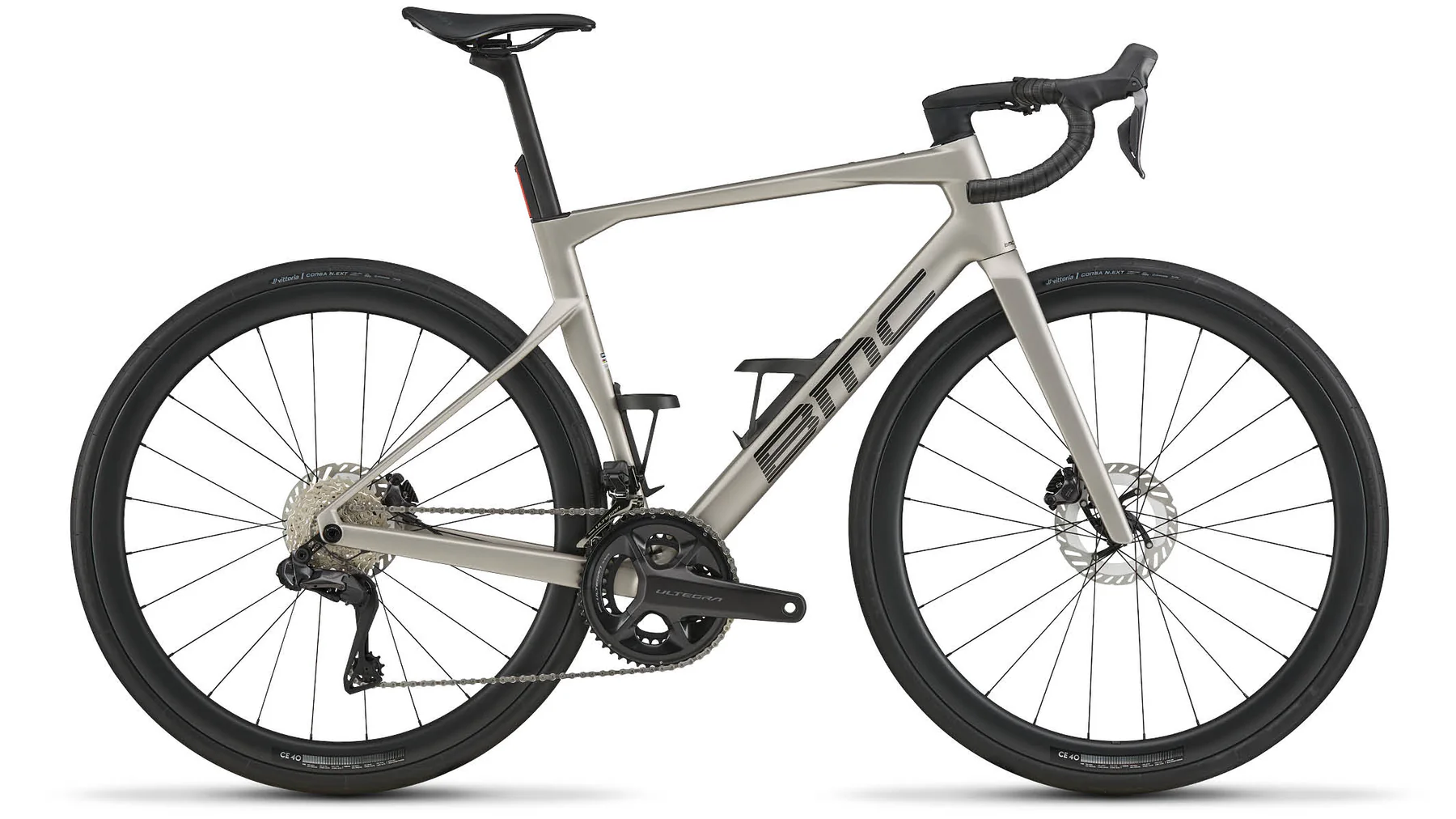
Head-to-Head Comparison
| Factor | Aluminium | Carbon Fibre |
|---|---|---|
| Weight | Heavier by roughly 300–500g on comparable frames | Lighter, especially at higher spec levels |
| Ride quality | Firm; improves significantly with wider tyres | Better vibration damping on long rides |
| Durability | Dents or bends in crashes; susceptible to metal fatigue over years | Very strong under normal loads; vulnerable to sharp impacts |
| Repairability | Difficult to repair structurally once cracked | Can often be repaired by a specialist; worth inspecting after any crash |
| Entry price (Canada) | From ~$1,500 | From ~$3,000 for a complete bike |
| Components at entry price | Better — budget goes toward groupset, not frame material | Often lower-tier groupset to offset frame cost |
| Resale value | Moderate | Higher, especially for well-maintained mid-to-upper spec bikes |
| Best suited for | Most recreational riders, commuters, new to road cycling, budget-conscious buyers | Riders doing 150+ km per week, racing, long-distance events |
Weight: The Difference Is Real, But Smaller Than You Think
A well-built aluminium road bike typically weighs 300 to 500 g more than an equivalent carbon frame at the same spec level. On a flat ride spread over an hour, that feels like almost nothing. On a 20-minute climb, you'll notice it.
Where it gets complicated: entry-level carbon frames are often heavier than high-end aluminium frames. A $2,500 complete carbon bike may not be lighter than a $2,000 aluminium bike with better components. The weight advantage of carbon becomes pronounced at higher price points, where the frame material and layup process are of genuinely higher quality.
If weight is your reason for buying carbon, make sure you're comparing actual listed weights, not just assuming carbon wins.
Ride Quality: Comfort Over Distance
Carbon fibre can be tuned during manufacturing to absorb road vibration while remaining stiff where it counts. On a three-hour ride over rough pavement, the difference is real and cumulative. You arrive less fatigued.
Aluminium is naturally stiffer. Older aluminium frames had a reputation for transmitting every bump directly into the rider's hands and back. Modern aluminium frames are much better engineered, and running a 28mm or 30mm tyre at the right pressure closes most of that comfort gap. For rides under two hours or primarily on smooth urban routes, the ride quality difference between a decent aluminium frame and a mid-range carbon frame is minor.
For weekend cyclists doing big days, long fondos, or anything over 100km regularly, carbon's ride quality advantage becomes worth factoring into the decision.
Durability and What Happens When Things Go Wrong
Aluminium is highly resilient in everyday use. In a crash or impact, it tends to dent or bend rather than snap, which is usually visible and obvious. Aluminium frames are also susceptible to cumulative metal fatigue, meaning a frame ridden hard for many years can develop micro-cracks over time, though the practical lifespan of a well-made aluminium frame used normally is well over a decade.
Carbon fibre is strong under the loads it was designed for. A carbon frame handles the forces of intense pedalling and cornering very well. What it doesn't handle as well: point impacts from crashes, dropping the bike, or overtightening bolts on the frame. The damage can be invisible on the surface while a structural crack develops underneath. If a carbon frame has been in a significant crash, have a shop with experience in carbon repair inspect it. Our bike service team can assess your frame if you're unsure.
The key difference in ownership: with aluminium, damage is usually obvious. With carbon, it sometimes isn't.
Price: What You're Actually Getting at Each Level
This is where the aluminium vs. carbon decision becomes most consequential.
At the $1,500 to $2,500 range, an aluminium bike will typically come with a better groupset than a carbon bike at the same price. Shimano 105 on a quality aluminium frame is a genuinely excellent road bike. A carbon frame at $2,000 may pair that material with a Tiagra or entry-level groupset to keep costs down. The groupset affects how the bike feels to ride every single time. The frame material affects a smaller number of things, mostly over longer rides.
At $3,000 to $5,000, carbon becomes the clear value proposition. You're getting proper mid-grade carbon (not the cheapest available), with hydraulic disc brakes and a Shimano 105 or Ultegra-level groupset. The combination starts to deliver on what carbon promises.
Above $5,000, carbon's advantages compound: lighter frame construction, better compliance engineering, and electronic groupsets. This is the stage where carbon genuinely earns its reputation.
The trap to avoid: buying entry-level carbon for the status of the material, ending up with an inferior groupset and no real performance gain over a well-specced aluminium alternative.
Resale Value
Carbon road bikes hold their value better, particularly at mid-to-upper spec levels, where the name on the frame (Scott, BMC, Trek, or Specialized) and the components command continued demand. An aluminium bike depreciates faster. This factor matters if you plan to upgrade every few years.
It doesn't change the primary calculation much but is worth keeping in mind if you ride a lot and treat bikes as a medium-term investment.
Which One Should You Buy?
Buy aluminium if:
- Your total budget for a complete bike is under $2,500
- You ride 1–3 times per week on varied surfaces, including rougher roads or commuting routes
- You're new to road cycling and unsure how much you'll use the bike
- You want to put more of your budget into components rather than frame material
Buy carbon if:
- You're consistently riding 100km+ per week
- You're targeting gran fondos, charity rides, or any competitive events
- You have $3,000 or more to spend on the complete bike
- You've already ridden aluminium and know you want the next level
Browse our selection of road bikes to see both aluminium and carbon options currently in stock. If you're not sure which is best for you, come in and we'll share our honest opinion.

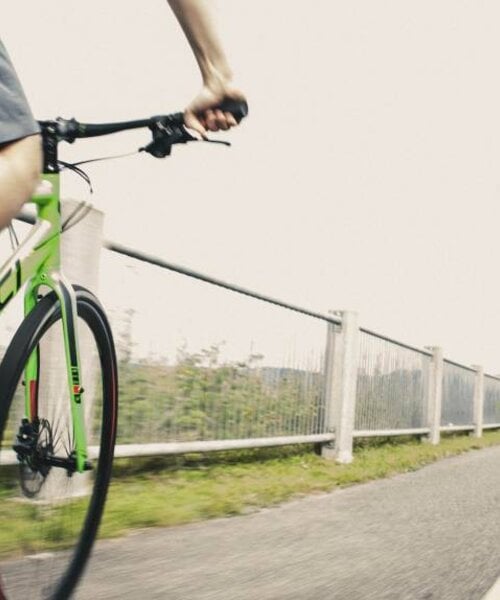
Photo by Chris Kendall on Unsplash
Frequently Asked Questions
Is a carbon road bike actually faster than aluminium?
At the same spec level, carbon bikes are typically lighter, which helps on climbs. They can also be made more aerodynamically. Over a flat 40km ride, the time difference for a recreational rider is measured in seconds, not minutes. For most people, fitness matters far more than frame material.
Do carbon bikes need more maintenance than aluminium?
Not in terms of routine maintenance: cleaning, drivetrain service, brake pads, and tire replacement are the same on both. The difference is that carbon frames require more care after any impact. An aluminium bike that gets knocked over in a parking lot is usually fine; a carbon frame in the same situation warrants a quick visual inspection. For regular service on either type of frame, book through our bike service shop.
What helmet do I need for a carbon road bike?
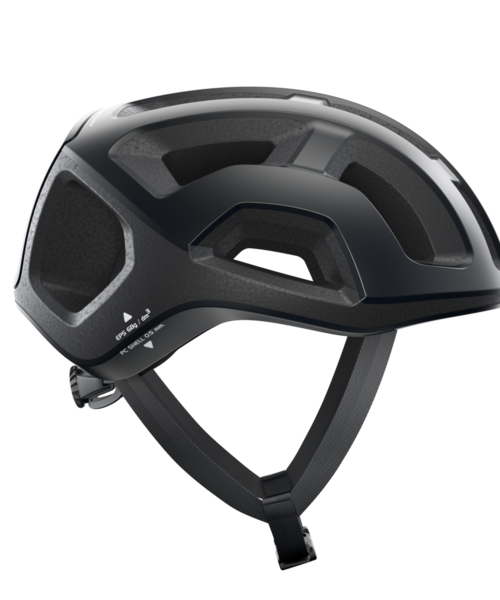
The same helmet you'd ride with on any road bike. A properly fitting cycling helmet certified to Canadian standards is required on BC public roads regardless of what you're riding. Browse our bike helmet selection for road-specific options.
Does frame material affect how much I'll enjoy cycling?
Less than most people expect. The biggest factors in whether you enjoy riding are fit, comfort on your specific terrain, and how well the components respond. A well-fitted aluminium bike with good components will be more enjoyable for most recreational riders than a poorly fitted carbon one.
Ready to see both side by side? Browse our road bikes online or come into the shop at 1855 W 4th Ave in Kitsilano. We ride what we sell, and we'll give you a straight answer on what's worth spending money on at your budget.