

How to Lock Your Bike in Vancouver So It Doesn't Get Stolen
More than 2,000 bikes get reported stolen in Vancouver every year, and that number doesn't count the ones nobody bothers reporting. If you're locking your bike in this city, the technique matters as much as the lock. This guide covers how to lock your bike in Vancouver properly, what locks are actually worth buying, and the extra steps that reduce your risk significantly.
Locks are one of the non-negotiables in our essential accessories guide
The lock type is the starting point.
Not all locks are equal, and Vancouver's theft rates mean the difference between lock types is real.
U-locks are the baseline for urban Vancouver. A quality U-lock from Abus, Kryptonite, or OnGuard, rated Sold Secure Gold or Silver, resists bolt cutters and takes significantly longer to cut with an angle grinder. The smaller the shackle gap, the harder it is to get a cutting tool in and leveraged. A compact U-lock with a tight fit around the frame and rack is harder to attack than a wide one.
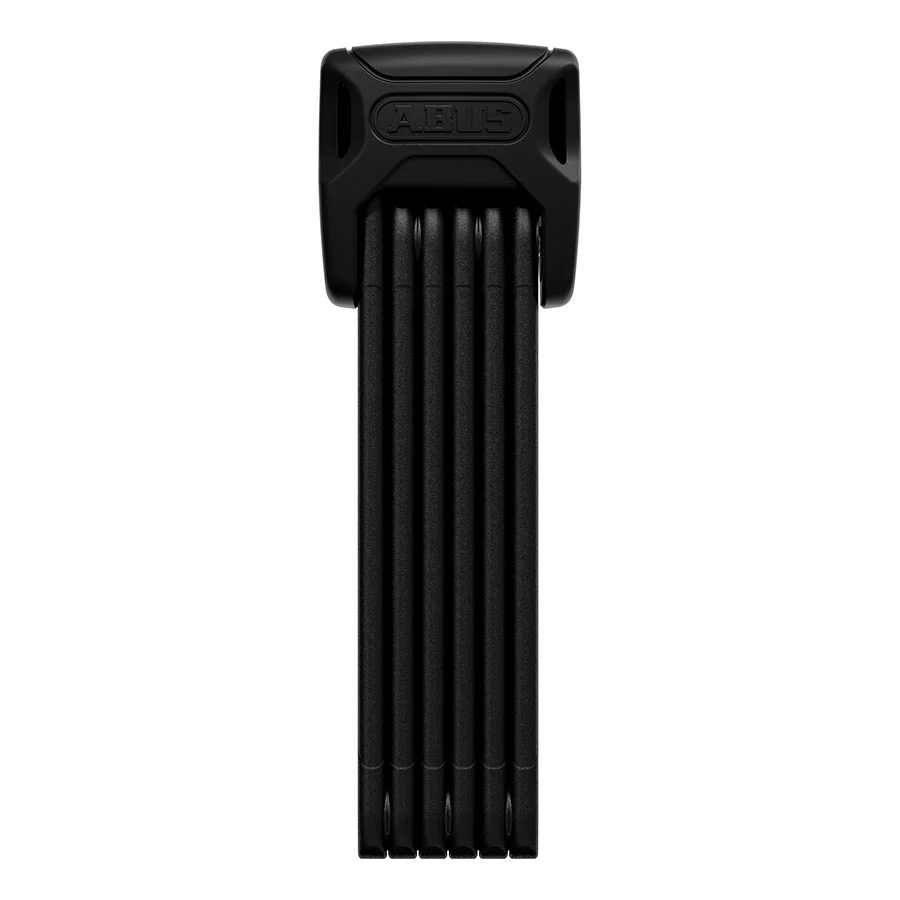
Folding locks offer a middle ground: more versatile than U-locks for oddly shaped racks and more secure than cables. Abus Bordo is the most trusted in this category.
Chain locks are heavy but effective when the chain is thick enough, Sold Secure rated, and sleeved to protect your frame. A Kryptonite New York chain with a disc lock is one of the best options for a bike left outside long-term.
Cable locks are not enough on their own. A cable can be cut in seconds with bolt cutters you can buy at any hardware store. Use a cable as a secondary lock only, never as your primary.
Browse bike locks at Westside to see the U-lock and folding lock options we carry.
How to Lock Your Bike: The Right Technique
The lock type matters. The technique matters just as much.
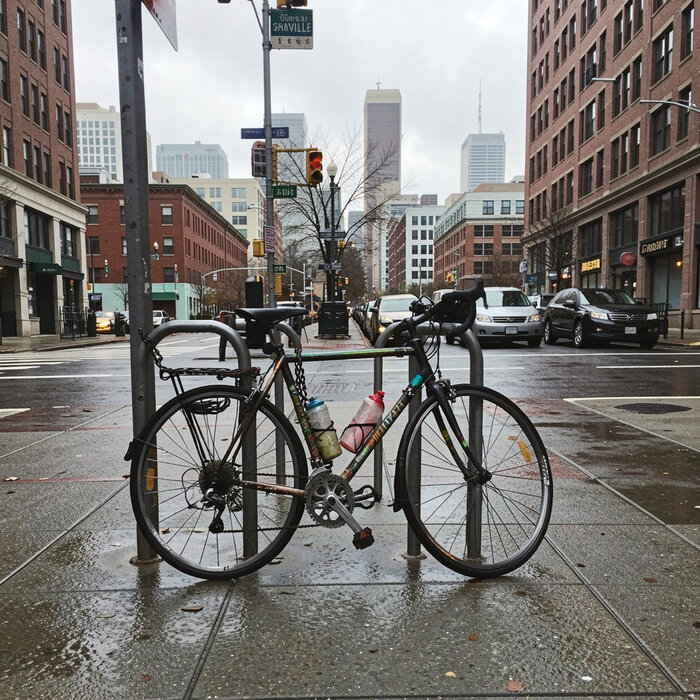
To lock your bike in Vancouver: put your U-lock through the rear wheel and frame, then attach it to a fixed, immovable object. Use a secondary cable or second U-lock through the front wheel. Never lock only to a wheel, and never lock to a sign post or anything that can be unbolted or lifted over.
Step by step:
- Lock the rear wheel and frame together to a fixed object. This is the most important step. A lock through the frame only means that a thief can remove the wheel and take the frame. A lock through only the wheel means the frame walks away.
- Use a second lock for the front wheel. A meaningful second barrier is created by looping a cable through the front wheel and attaching it to the frame or rack. Quick-release wheels are easy to remove and sell separately.
- Lock to something fixed and immovable. Parking meters are the most reliable option in Vancouver, as the street-cycling community notes repeatedly. Many sign posts are designed to be removable for maintenance and can be slid out. Bolt-down bike racks are generally solid, but check that the rack itself hasn't been compromised.
- Fill the gap in your U-lock. The more space inside the shackle, the easier it is for a thief to work a tool. Position the lock so the shackle is tight against the frame, wheel, and rack. Less room means more difficulty.
- Turn the keyhole down. Facing the keyhole toward the ground makes it harder to drill or pick.
Where You Lock It Matters
Vancouver bike theft is opportunistic. A well-locked bike in a low-visibility location is more at risk than a moderately locked bike in a busy, high-traffic area.
Lock in visible spots. Thieves don't want an audience. A bike locked on a quiet side street sits in far worse conditions than one locked outside a busy coffee shop on Main Street, even with the same hardware.
Avoid the same spot repeatedly. A bike locked in the same place every day gets noticed. If you commute somewhere and lock outside, vary the location where you can.
TransLink bike parkades are available at more than 10 SkyTrain stations across Metro Vancouver. Covered, designated, and monitored, these are among the safest places to leave a bike in the city. The Compass Card tap-in access limits random access.
Covered bike rooms in apartment buildings and offices are significantly safer than street parking. If your building or workplace has one, use it. A bike inside a locked room still needs to be locked to something fixed, but the layered security drops theft risk considerably.
Quick-Release Components Need Attention Too
The lock secures the frame and wheels. Everything else can walk.
Remove your lights every time you lock up. Even cheap lights get taken. Lights left on a locked bike in Vancouver's downtown core have a short lifespan.
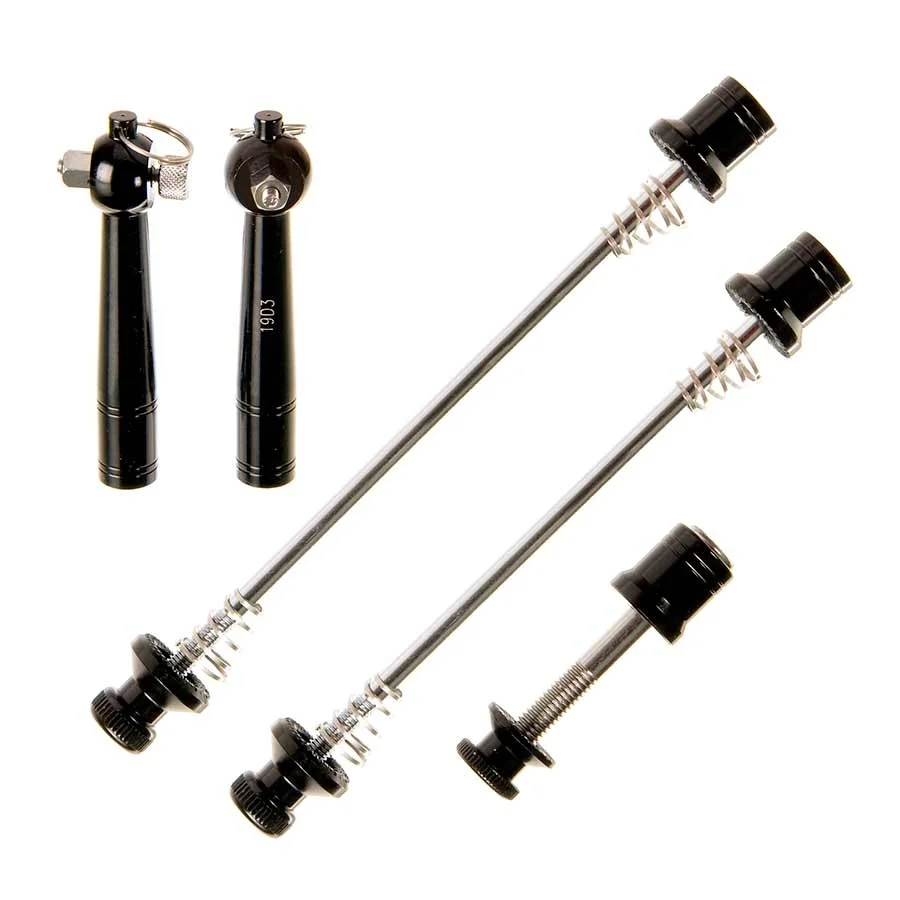
Quick-release saddles and seatposts are theft targets. A skewer lock or a pinhead-style skewer swap replaces the quick-release mechanism and requires a specific tool to remove. It's worth it on a bike you care about.
Quick-release wheels that aren't secured by the second lock can be popped off in seconds. If you're using only one lock and can't run a cable through the front wheel, remove the front wheel and lock it with the rear wheel and frame.
Bags, helmets, and any gear left on the bike should come with you. Nothing attached to the outside of a locked bike in a public space should be considered secure.
Register Your Bike on 529 Garage Before You Need To
529 Garage is a free bike registry backed by the Vancouver Police Department. You enter your bike's serial number, photos, and description. If your bike is stolen and recovered, the VPD can match it to the registry and return it to you.
The VPD recovers roughly 2,000 bikes a year in Vancouver. The bottleneck is matching recovered bikes to owners. A registered bike has a path home. An unregistered one usually doesn't.
Find your serial number on the underside of the bottom bracket, the area where the pedal cranks meet the frame. Register at project529.com before something happens, not after.
A GPS Tracker Doesn't Prevent Theft, But It Helps Recovery
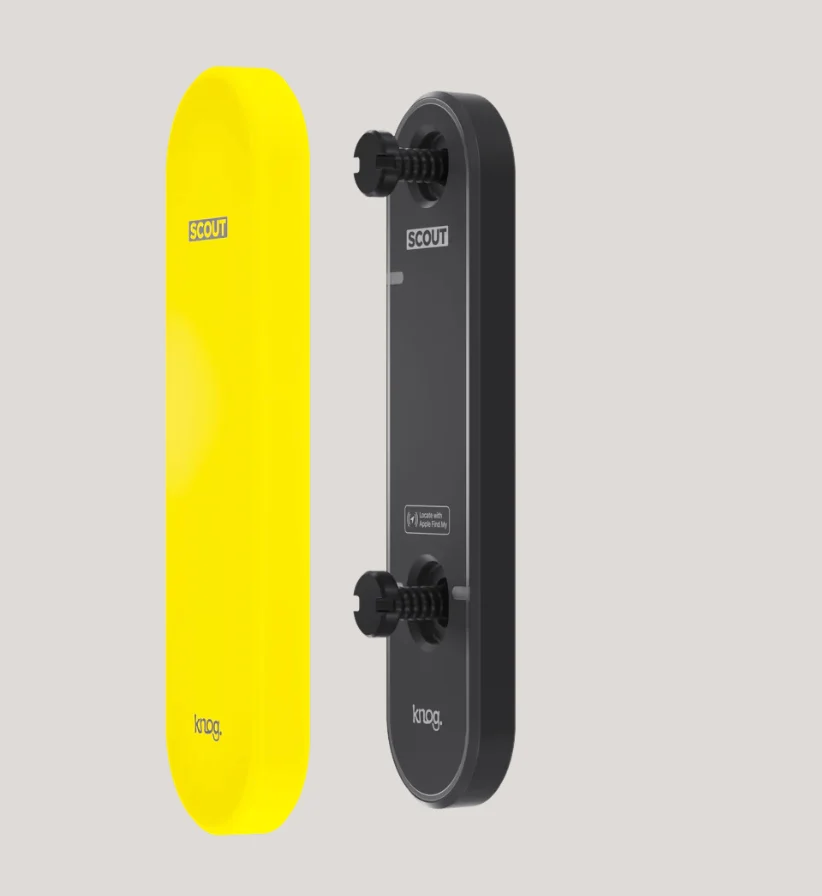
An AirTag or similar GPS tracker hidden inside the handlebars, stem, or seat tube adds a recovery layer that no lock provides. If the bike moves, you know where it went.
It won't stop a theft. A determined thief with an angle grinder isn't scanning for trackers. But it gives you a real location to hand to police, which changes the recovery calculation meaningfully. The City of Vancouver and the VPD both recommend using recovery tools alongside locks, not instead of them.
If Your Bike Gets Stolen
File a report with Vancouver Police immediately, even if you don't expect much to come from it. The VPD uses theft reports to track patterns and run targeted recovery operations in high-theft areas. Your report contributes to that.
Report the theft at 529 Garage at the same time. The platform alerts the local cycling community and flags your bike's serial number in the registry, enabling the identification of resellers.
Check Craigslist and Facebook Marketplace with your serial number in the first 24 to 48 hours. Stolen bikes often surface quickly in these spaces, and a serial number match gives police something to act on.
If you find your bike listed online, contact the VPD non-emergency line. Do not try to retrieve it yourself.
Frequently Asked Questions
How many bikes are stolen in Vancouver each year?
The Vancouver Police Department reports more than 2,000 bikes stolen per year in Vancouver. The actual number is higher, since many thefts go unreported.
What is the best type of bike lock for Vancouver?
A U-lock rated Sold Secure Gold or Silver is the minimum. Lock the rear wheel and frame together to a fixed object. For the front wheel, consider adding a cable or a second lock. Cables alone are not sufficient.
Are signposts safe to lock to in Vancouver?
Many sign posts in Vancouver are removable for maintenance and are not reliable lock points. Parking meters and bolt-down bike racks are more secure options.
Is 529 Garage free?
Yes. Registering your bike with 529 Garage is free. The VPD actively uses the registry to return recovered bikes to owners.
Should I use two locks?
Yes, if the bike is worth it. Two locks of different types require two different tools and take significantly more time. Thieves generally move to easier targets.
What do thieves use to cut bike locks?
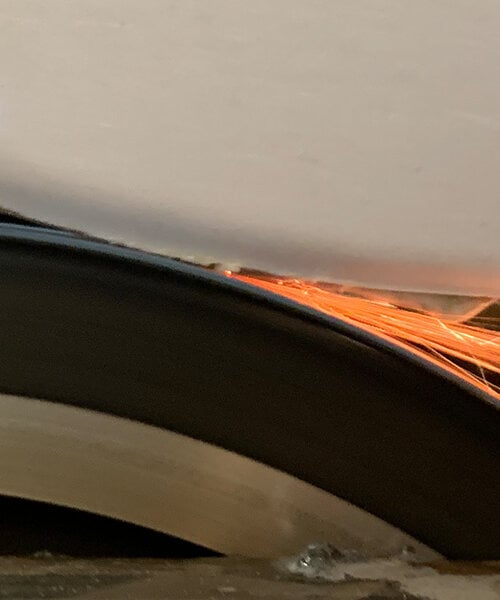
Battery-powered angle grinders are the most common tool for serious theft. They're portable, quiet enough to use briefly in public, and effective against most locks given time. This is why lock quality, technique, and location all matter. A good lock in a busy location is a much harder target than a weak lock on a quiet street.
Browse bike locks at Westside Sports, or visit the shop to talk through which setup makes sense for where and how you lock up. If you're building out the rest of your riding kit, the full bike accessories section has everything else covered.