
|
Feature |
On-Piste Skiing |
All-Mountain Skiing |
|---|---|---|
|
Terrain |
Groomed trails |
Mixed terrain, groomed + off-piste |
|
Ski Width |
70–90mm |
85–100mm+ |
|
Snow Type |
Hard, packed snow |
Variable, soft, and uneven snow |
|
Style |
Carving, precision |
Versatility, adaptability |
|
Skill Level |
Beginner to advanced |
Intermediate to advanced |
|
Performance Focus |
Edge grip, speed |
Stability, all-conditions control |
29 Oct 2025
On-Piste vs All-Mountain Skiing: What’s the Difference?
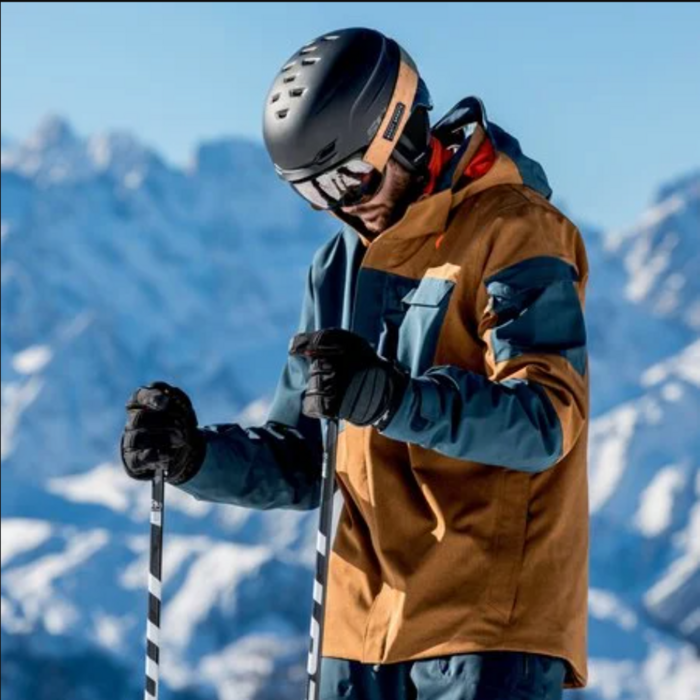
The main difference between on-piste and all-mountain skiing lies in where and how you ski. On-piste skiing happens on groomed, maintained runs ideal for carving smooth, consistent turns. All-mountain skiing lets you explore both groomed trails and variable off-piste terrain, offering versatility for changing snow and conditions.
Choosing between on-piste and all-mountain skis impacts your comfort, control, and performance on the hill. Understanding these differences helps you choose the right gear for your skiing style and ability.
If you're considering upgrading your skis this season, explore our latest ski collection to find models designed for both on-piste precision and all-mountain versatility.
Understanding the Two Styles of Skiing
If you're shopping for new skis or refining your setup, you've likely seen the terms "on-piste" and "all-mountain" everywhere. They sound similar, but they serve different purposes.
• On-piste skiing means staying on marked, groomed trails where the snow is packed and predictable.
• All-mountain skiing combines groomed runs with the freedom to explore powder stashes, moguls, or side-country terrain.
Each style caters to specific conditions and skill levels—so the right choice depends on how and where you love to ski.
1. On-Piste Skiing: Precision and Control on Groomed Runs
What Is On-Piste Skiing?
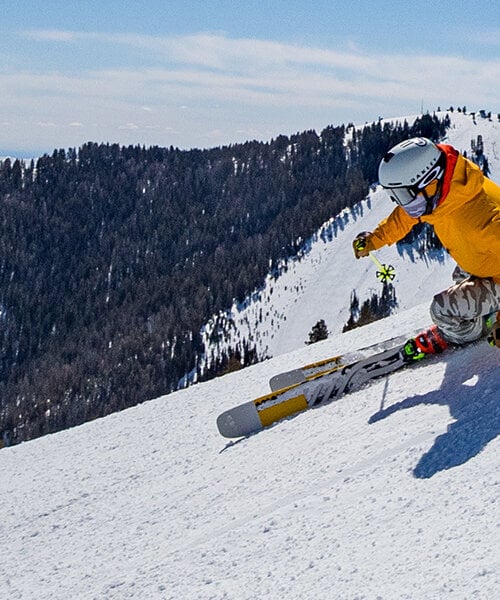
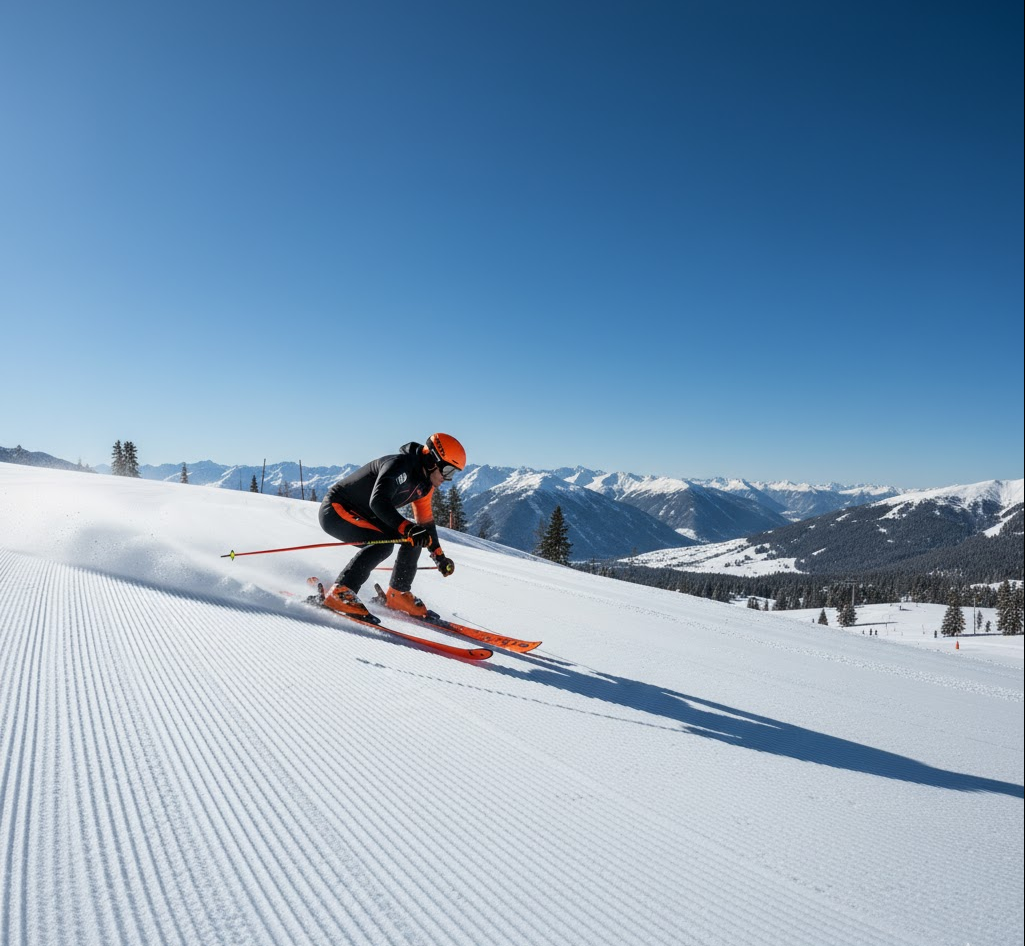
On-piste skiing takes place on maintained trails at resorts. Snowcats regularly groom these runs, creating smooth, firm surfaces ideal for carving and consistent turns.
Ideal Conditions
• Packed or icy snow
• Groomed resort runs
• Controlled environments
Benefits
• Precision and speed: Narrower skis and firm snow allow precise carving and faster edge-to-edge transitions.
• Predictability: Smooth terrain helps improve technique, making it great for beginners and intermediates.
• Less fatigue: Because you're not fighting deep snow, you can ski longer with less effort.
Best Skis for On-Piste
Look for narrower waist widths (70–90mm) and stiffer flex profiles for strong edge grip. Brands such as Elan, Nordica, and Blizzard design their models for stable carving and quick response.
Who It's For
• Skiers who love speed and clean turns.
• Those who mainly ski resorts.
• Beginners learning form and control.
Not sure which setup fits your skill level? Our guide explains how to choose the right skis based on your ability, detailing options for beginners as well as experts.
2. All-Mountain Skiing: Versatility Across Conditions
What Is All-Mountain Skiing?
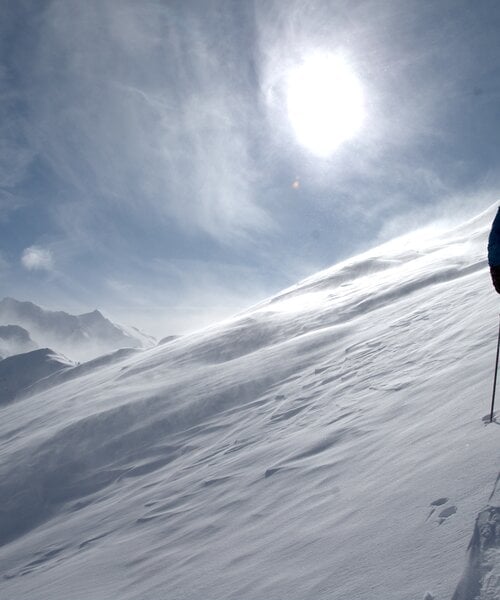
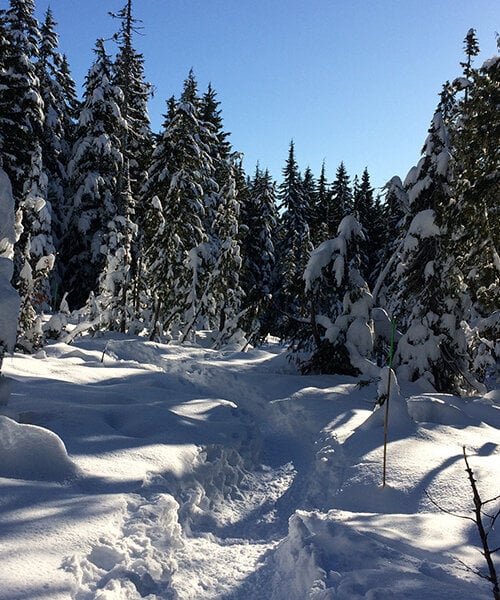
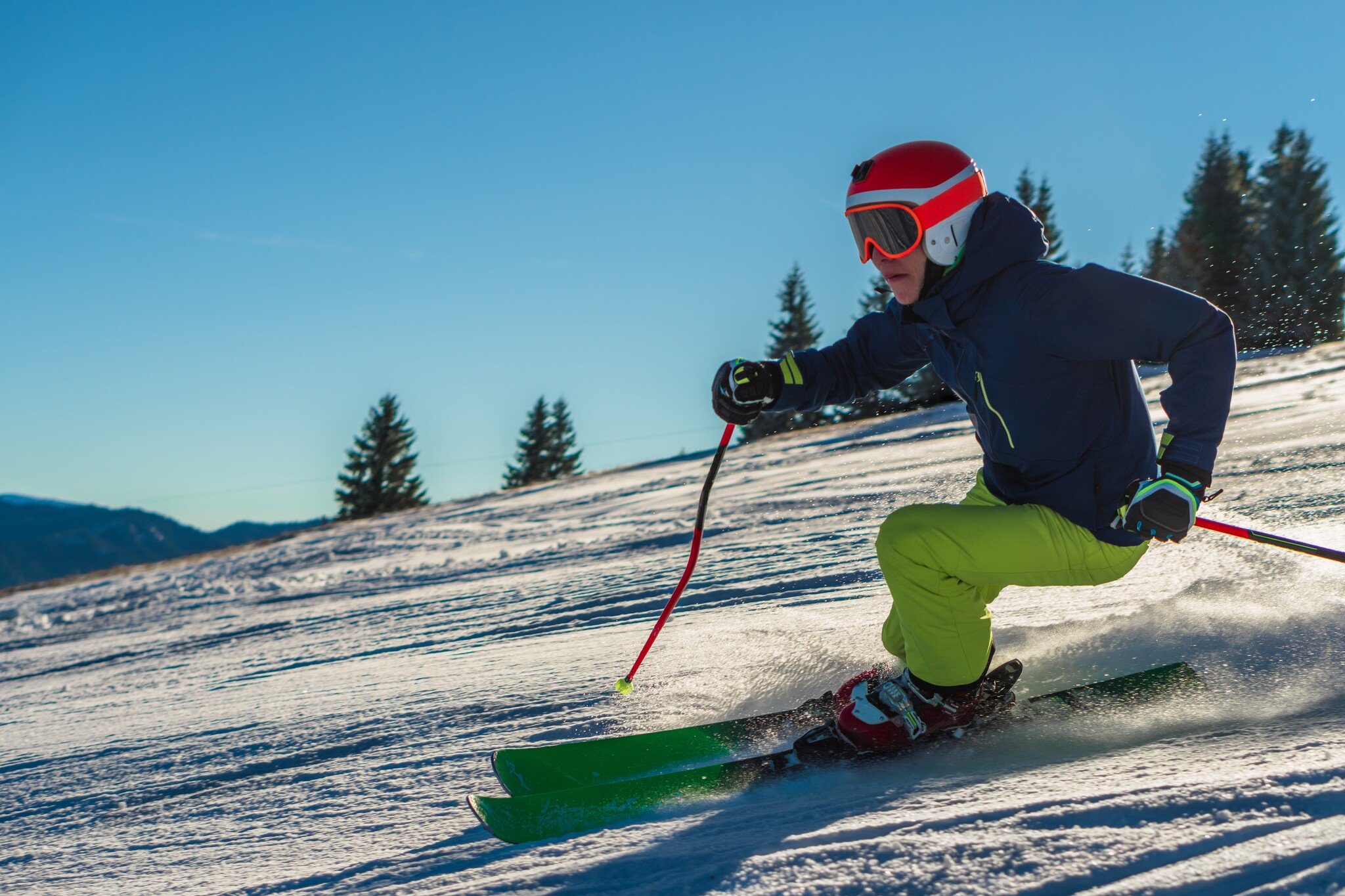
All-mountain skiing covers the full mountain—from groomed trails to light powder and mixed terrain. It's about versatility, adapting to whatever the day brings.
Ideal Conditions
• Variable snow (powder, crud, or ice)
• Groomed and off-piste mix
• Changing weather and terrain
Benefits
• Adaptability: Wider waist widths (85–105mm) handle both firm and soft snow.
• Stability: All-mountain skis absorb bumps and variable snow conditions.
• Freedom: Ski anywhere on the mountain without switching gear.
Best Skis for All-Mountain
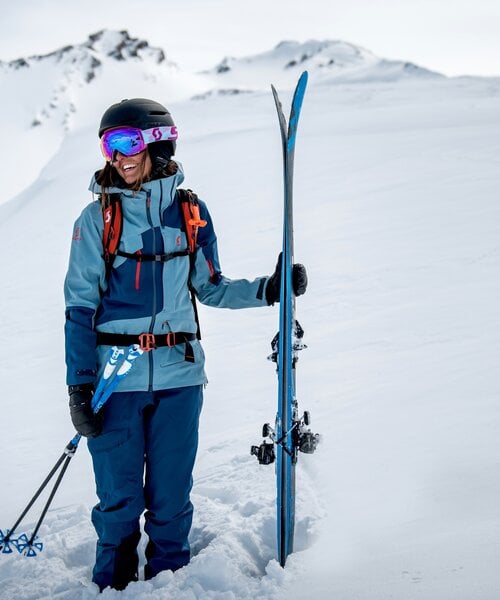
Choose skis that balance edge hold and float—often featuring rocker-camber-rocker profiles for both carving and manoeuvrability. Top brands like Black Crows, K2, and Faction offer popular all-mountain designs.
Who It's For
• Intermediate to advanced skiers who explore beyond groomed runs.
• Riders who enjoy a mix of carving, powder, and side hits.
• Skiers who want one pair of skis for any condition.
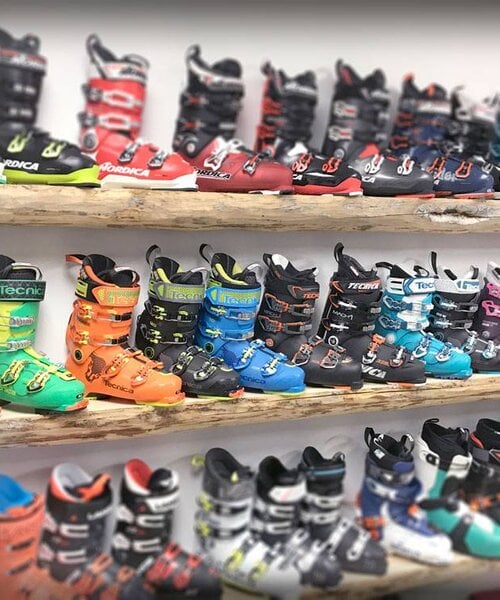
All-mountain skis pair perfectly with a comfortable, high-performance boot. Check out our ski boots collection for options that match your skiing style and book a fitting appointment so our expert bootfitters can help you find the right option.
3. Key Differences at a Glance
How to Choose the Right Ski for You
Ask yourself a few key questions:
• Where do I spend most of my ski days—groomed runs or mixed terrain?
• Do I prefer high-speed carving or exploring new trails?
• What snow conditions do I encounter most often?
If you mostly ski groomers, go with an on-piste ski for better edge control and energy transfer.
If you love variety, all-mountain skis are your best choice for adaptability and performance in changing conditions.
Pro Tip: When in doubt, visit your local shop for personalized recommendations. At Westside, our experts test the gear they sell—helping you find the right ski for your goals and ability.
FAQs
Can I use all-mountain skis on groomed runs?
Yes, all-mountain skis handle groomed snow well, but they won't carve as precisely as on-piste skis.
Are on-piste skis good for powder?
On-piste skis are not ideal as they are too narrow to float well in deep snow.
What ski width should I choose?
• 70–85mm: On-piste
• 85–100mm: All-mountain
• 100mm+: Freeride and powder
Final Thoughts
Understanding the difference between on-piste and all-mountain skiing helps you match your skis to your preferred style and conditions.
While all-mountain skis allow you to explore more of the mountain, on-piste skis provide sharp precision on groomed runs.