
How to Choose a Mountain Bike: A Buyer's Guide for Vancouver Riders
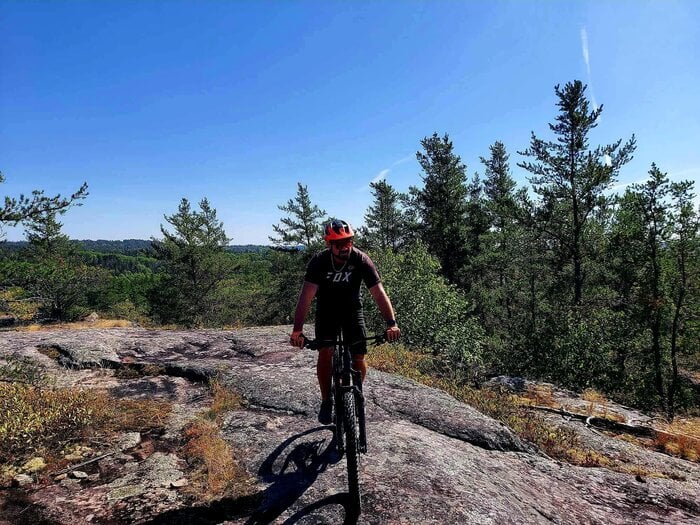
How to choose a mountain bike comes down to four questions: where you'll ride, hardtail or full suspension, what wheel size fits your height, and how much you want to spend. Get those four right and everything else, gears, brakes, frame material, falls into place.
Vancouver riders have it easier than most. With the North Shore, Fromme, and Seymour all within a short drive of Kitsilano, most of what you'll ride is technical, rooty, and steep enough that your suspension choice actually matters.
Start With Where You'll Ride
A bike built for smooth, buffed singletrack rides differently than one built for rock gardens and root drops. Before you look at a single spec sheet, think honestly about what you'll actually do most weekends.
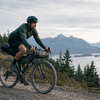
If you're riding mellow forest roads and beginner-friendly trails, you don't need the same bike as someone dropping into Ladies Only on Mount Fromme. Shops group bikes into a few loose categories: cross-country builds that prioritize efficient pedaling, trail bikes that balance climbing and descending, and all-mountain or enduro builds set up for steep, technical terrain. Most Vancouver riders land in the trail category because it handles the widest range of what our local network throws at you.
Hardtail or Full Suspension
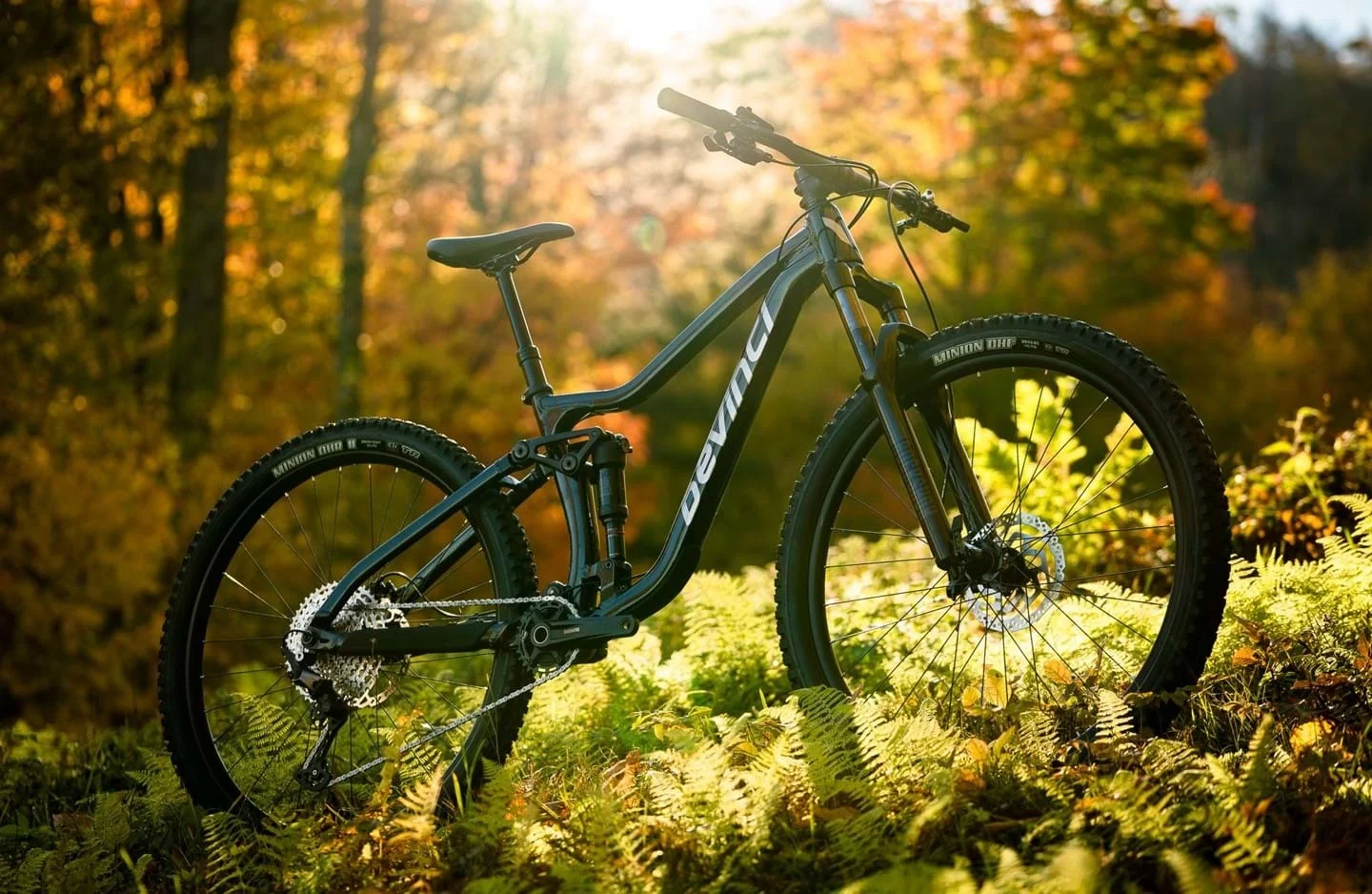
This is the biggest fork in the road, and it's worth slowing down on. A hardtail has a suspension fork up front and nothing in the rear. A full suspension bike adds a rear shock, which soaks up chatter from roots and rocks and keeps your back wheel tracking the ground on rough descents.
Hardtails cost less, weigh less, and need less maintenance, which makes them a smart starting point if you're new to the sport or riding mostly climbs and moderate singletrack. Full suspension bikes cost more and add weight, but they're noticeably more capable and more comfortable once the trail gets rough, which describes a lot of North Shore riding. If you're planning to spend real time on technical terrain, full suspension earns its price premium fast.
27.5 Inch or 29 Inch Wheels
Wheel size affects how a bike feels more than most riders expect. 27.5 inch wheels accelerate quicker and feel more playful through tight, twisty sections, which suits smaller riders or anyone who values maneuverability over raw speed. 29 inch wheels roll over roots and rocks with less effort and hold speed better on longer descents, which is why they've become the default on most trail and cross-country bikes sold today.
Neither size is objectively better. If you're between sizes or unsure, this is exactly the kind of decision worth testing in person rather than guessing from a chart.
Aluminum or Carbon Frame
Frame material mostly comes down to budget and how much weight matters to you. Aluminum frames are less expensive and more forgiving of the odd rock strike or curb tap, making them a practical choice for a first mountain bike. Carbon frames weigh less and can be tuned to flex in specific ways for a smoother ride, but they cost more and are less forgiving of impact damage.
For most riders buying their first or second mountain bike, aluminum offers the better value. Carbon starts to make sense once you know exactly how and where you ride and are chasing marginal weight savings.

Electric Mountain Bikes: Are They Worth Considering
Electric mountain bikes are the fastest-growing part of the category right now, and for good reason. A mid-drive motor and battery add pedal assist that gets you to the top of a climb with more energy left for the descent, which matters if you're riding after work or squeezing in a lap before dinner. Westside carries e-MTB models from Devinci and Scott alongside the standard lineup, so it's worth test riding one even if you weren't planning to spend the extra money. You can browse the full electric bike lineup alongside the standard mountain bikes.
Getting the Right Size and Fit
A mountain bike sizing guide only gets you in the right range, it doesn't replace a proper fit. Manufacturers size frames by rider height, usually in small, medium, large, and extra-large rather than the inch measurements road bikes use. Standover height matters more here than on a road bike too, since you'll want enough clearance to put a foot down quickly on technical terrain.
If you're between sizes, the right call usually depends on your riding style. Riders who prioritize climbing and control often size down for a more agile feel, while riders focused on descending confidence often size up. Either way, a short test ride, ideally with a small hill and a corner or two, tells you more than any size chart.
Before You Hit the Trail
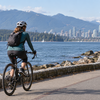
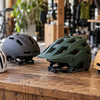
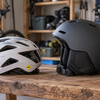
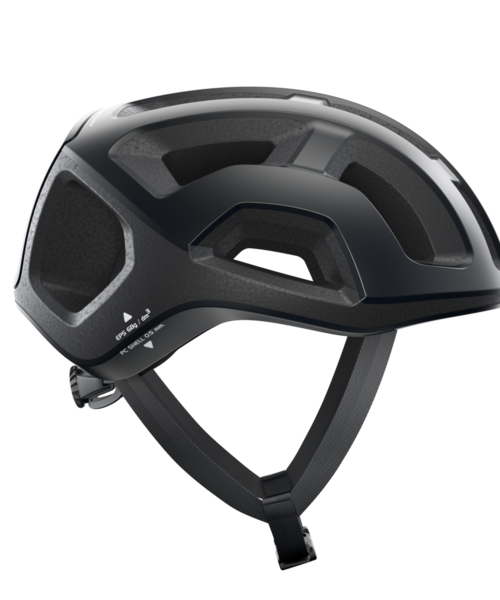
A helmet isn't optional in British Columbia. BC law requires a certified bicycle helmet for cyclists of all ages, and that applies just as much on the North Shore as it does riding the Seawall. We've covered the specifics, including fines and what counts as an approved helmet, in our guide to BC's helmet law. Browse our mountain bike helmet selection while you're setting up your new bike, and don't skip knee or elbow protection if you're riding anything with real exposure.
Where to Ride Once You've Got Your Bike
Vancouver's mountain bike network is one of the best reasons to live here. The North Shore mountains hold some of the most respected technical trail networks in North America, and there's plenty of mellower singletrack in between for riders still building confidence. For a fuller rundown of routes across the region, our guide to Vancouver's best bike trails covers options for every skill level.
Frequently Asked Questions
What are the main types of mountain bikes?
Cross-country bikes prioritize efficient pedaling on smoother trails, trail bikes balance climbing and descending for the widest range of terrain, and all-mountain or enduro bikes are built for steep, technical descents. Most Vancouver riders are best served by a trail bike.
Is 27.5 or 29 inch better for a beginner?
Neither is strictly better. 29 inch wheels roll over obstacles more easily and suit riders who want stability, while 27.5 inch wheels feel more agile in tight terrain. Smaller riders often lean toward 27.5.
Should a beginner start with a hardtail or full suspension bike?
A hardtail is a practical starting point if you're new to the sport or riding mostly moderate trails, since it costs less and needs less maintenance. Full suspension is worth the extra cost if you already know you'll be riding technical terrain regularly.
What should I know before buying my first mountain bike?
Decide where you'll actually ride most often before comparing spec sheets. Riding style should drive your choice between hardtail and full suspension, wheel size, and frame material, not the other way around.
Ready to Find Your Bike
The right mountain bike comes down to matching the bike to how and where you actually ride, not chasing the highest spec sheet. Come test ride a few in person and our team will help you narrow it down. Browse our full mountain bike collection to see what's in stock right now.