





27.5 vs 29 Inch Mountain Bike Wheels: Which Size Is Right for You
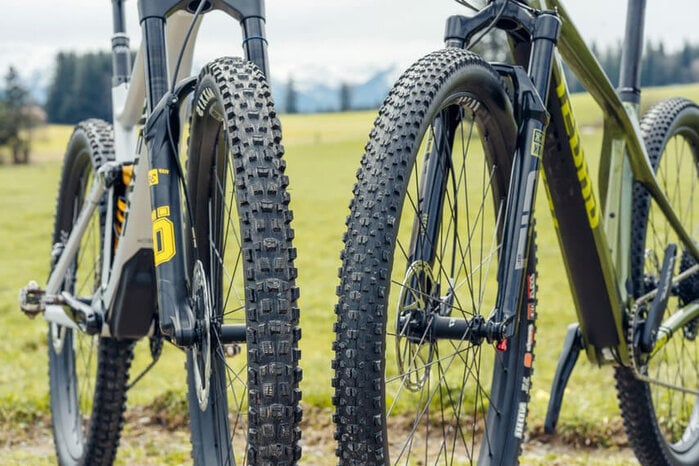
27.5 vs 29 inch wheels comes down to a simple trade-off: 27.5 inch wheels are lighter and quicker to turn, while 29 inch wheels roll over obstacles more easily and hold speed better once you're moving. Neither size is objectively better. The right call depends on your height, your riding style, and the kind of terrain you ride most, which for a lot of us here means the roots and rock rolls of the North Shore.
The Physics in Plain Terms
A bigger wheel weighs a little more than a smaller one built from the same materials, and that extra weight shows up in two places: it's slightly harder to accelerate, and slightly harder to change direction quickly. In exchange, a 29 inch wheel has a larger contact patch with the ground, which means more traction, and it rolls over roots and rocks with less deflection since more of the obstacle passes underneath before the wheel has to climb over it.
A 27.5 inch wheel gives up some of that rollover ability and momentum, but it accelerates faster and feels noticeably more nimble when you're threading through tight, technical sections. Neither trade-off disappears with a better bike. It's baked into the physics of wheel diameter.
27.5 vs 29 at a Glance
| Factor | 27.5 Inch | 29 Inch |
|---|---|---|
| Acceleration | Quicker off the mark | Slower to get up to speed |
| Maneuverability | More nimble in tight, technical terrain | Less agile at low speed |
| Rollover ability | More likely to get hung up on roots and rocks | Rolls over obstacles with less deflection |
| Momentum | Loses speed faster on rough ground | Holds speed better over rough terrain |
| Fit | Better proportional fit for shorter riders | Can crowd smaller frames and shorter riders |
| Weight | Typically lighter | Typically heavier for a comparable build |
Does Your Height Decide It
Height matters more than most riders expect. Taller riders generally have no trouble fitting 29 inch wheels into their frame's geometry, but shorter riders, roughly under 5'7", sometimes find a 29er crowds their body on steep, technical descents when they shift their weight back over the rear wheel. If you're on the shorter side and ride a lot of steep terrain, a 27.5 inch wheel, or a 27.5 inch rear paired with a 29 inch front, is worth trying before you commit to a full 29er.
What About North Shore-Style Riding
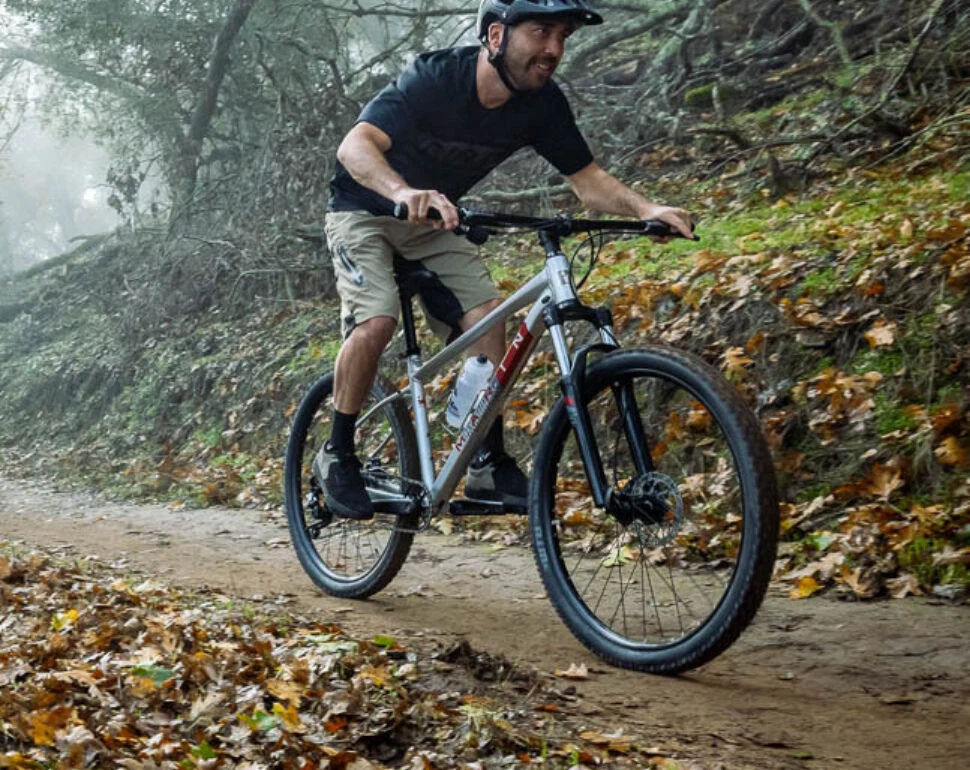
Vancouver's North Shore trails are rooty, rocky, and steep enough that rollover ability and momentum genuinely matter. That's the exact scenario where 29 inch wheels tend to shine, which is a big part of why they've become the default wheel size on most trail bikes sold today. That said, plenty of experienced North Shore riders still prefer 27.5 for the added agility on tight switchbacks and technical corners. If your local riding leans more toward flowy, corner-heavy singletrack than long descents, don't assume bigger is automatically better for you.
Mullet Setups: The Middle Ground
Some riders split the difference with a "mullet" setup, a 29 inch wheel up front paired with a 27.5 inch wheel in the rear. The bigger front wheel keeps the rollover and traction benefits where they matter most, while the smaller rear wheel stays easier to maneuver through tight, technical sections. It's a niche option and not every frame is built to run it, but it's worth asking about if you're torn between the two sizes.
Making the Call
If you're still unsure, default to 29 inch wheels unless you have a specific reason not to, since that's what most trail and cross-country bikes are built around today and it's the safer all-around choice for North Shore-style terrain. Go 27.5 if you're on the shorter side, prioritize agility over momentum, or simply prefer how it feels on your usual trails. As with hardtail versus full suspension, this is a decision worth testing in person rather than deciding from a spec sheet alone.
Frequently Asked Questions
Are 27.5 inch wheels outdated?
No. 29 inch wheels have become the default on most trail and cross-country bikes, but 27.5 inch wheels remain common on smaller frame sizes and are still preferred by many riders for their agility.
Is 27.5 or 29 better for climbing?
It depends on the climb. 27.5 inch wheels feel lighter and quicker on steep, punchy climbs, while 29 inch wheels tend to roll more efficiently over long, steady climbs once you're up to speed.
What height should ride a 27.5 inch mountain bike?
There's no strict cutoff, but riders under about 5'7" often find 27.5 inch wheels fit their frame geometry more comfortably, especially on steep, technical descents.
Can you mix 27.5 and 29 inch wheels on one bike?
Yes, this is called a mullet setup, running a 29 inch wheel up front and a 27.5 inch wheel in the rear. Not every frame is designed to accommodate it, so check compatibility first.
Compare Your Options in Person
Wheel size is one piece of a bigger decision. If you haven't already, start with our guide to choosing a mountain bike and our hardtail vs full suspension comparison to cover the rest of the picture. When you're ready to see 27.5 and 29 inch options side by side, browse our full mountain bike collection or come test ride both.