
Can You Ski in Regular Winter Clothes? Here's What Actually Works

You can ski in regular winter clothes for a first day or two, as long as the right pieces come from your closet. Thermal underwear, a fleece and thin wool socks may work. Jeans, a cotton hoodie and a standard winter coat usually don't, because the mountain is wetter than a city sidewalk. A few smart purchases close the gap without a full gear bill.
What Works and What Doesn't
| From your closet | Verdict | Why |
|---|---|---|
| Wool or synthetic thermal underwear | Works | Pulls sweat off your skin and keeps you warm |
| Fleece or wool sweater | Works | A good middle layer under something waterproof |
| Thin wool socks | Works | One pair, tall enough to clear the top of the boot |
| Toque | Works | Handy in the lift line and lodge; a helmet takes over on the hill |
| Everyday winter coat | Maybe | Fine on a dry, mild day if it's waterproof, but no powder skirt, vents or pass pockets |
| Sunglasses | Maybe | Fine on a bright day, but goggles handle wind and snow better |
| Cotton hoodie or sweatshirt | Skip | Soaks up sweat and snow, then stays cold |
| Jeans | Skip | Absorb water, stiffen as they freeze and restrict movement |
| Knit gloves | Skip | Soaked within minutes of your first fall |
| Long scarf | Skip | Can snag on a chairlift or tree; a neck gaiter is safer |
Why Regular Clothes Fall Short on the Mountain
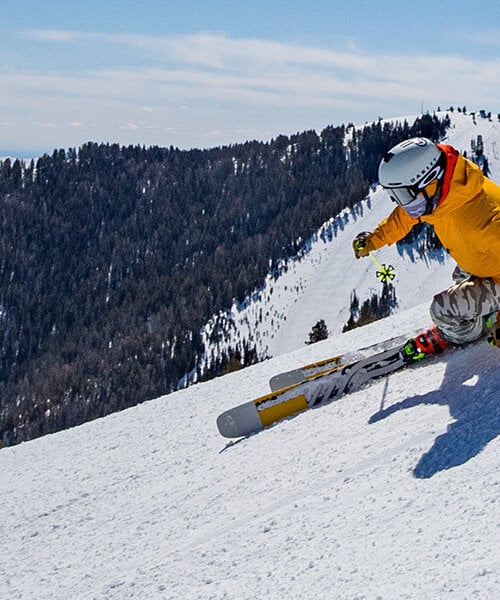
Skiing and boarding is wetter than most winter activities. You sit on chairlifts with snow on the seat, you fall, and you kneel or sit to adjust your snowboard bindings. Your pants and gloves take the worst of it, and that is where everyday clothing gives out first.

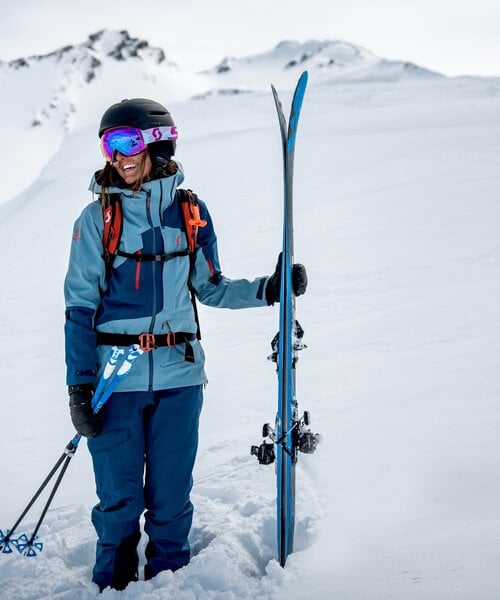
Waterproof pants take the worst of the snow: Scott Ultimate Dryo 10 Women’s Pant
Cotton is the other problem. It absorbs moisture and dries slowly, so a sweaty cotton shirt or damp jeans pulls heat from your body for the rest of the day. A regular winter coat also lacks a powder skirt, the elastic band inside a ski jacket that stops snow from riding up your back when you fall.
Why It Matters More on the West Coast
Snow on the North Shore mountains is usually wetter and heavier than the dry powder you'll hear about in the Rockies, and it can rain at lower elevations. Local ski school guidance for Grouse, Seymour and Cypress recommends a waterproof shell over base layers for that reason. "Water-resistant" gets you through a flurry. It doesn't get you through a wet afternoon at Cypress.
What to Wear From Your Closet
Build a base from what you already own. Start with thermal underwear or any snug wool or synthetic top and bottoms. Add a fleece or wool sweater, and pull on one pair of long, thin wool socks. If you don't own proper base layers, our men's base layers and women's base layers are a low-cost first buy, and our men's mid layers and women's mid layers cover the warmth layer.
What to Buy First
If you're only buying a few things, buy in this order. Waterproof pants come first, because the seat of your pants spends more time in the snow than anything else. Browse our men's ski pants and women's ski pants. Next, waterproof gloves or mitts, since cold hands end a first day faster than anything. Then goggles and a ski helmet, which many first-timers can rent at the hill before committing. Kids follow the same rules, so see our kids' jackets and kids' pants for growing skiers.

Waterproof gloves keep a first day going: Swany The Air Glove GORE-TEX Men’s
When a Winter Coat Is Enough
A regular winter coat can work for a short, dry, mild session if it's genuinely waterproof, not just water-resistant. Check the tag. If you're skiing more than a couple of times, or heading out on a wet day, a ski jacket is worth buying. Our guide to insulated vs shell ski jackets helps you pick the style, and our guide to waterproof ratings explains what the numbers on the tag mean. When you're ready, browse our women's ski jackets and men's ski jackets.
First-Day Tips
Dress in thin layers you can remove, since you'll warm up fast once you're moving. Pack a spare pair of dry gloves and socks in your bag. Wear one pair of socks, not two, which can cut circulation and make your feet colder. Arrive early enough to get comfortable before your lesson.

Goggles handle wind and snow better than sunglasses: Giro Index 2.0 Goggles
Frequently Asked Questions
Is a ski jacket warmer than a winter jacket?
Not always. A ski jacket is built to keep out wind, snow and wet while you move, and its warmth depends on the insulation or the layers you wear under it. A heavy parka may feel warmer standing still, but it won't hold up to a day of falls and chairlifts.
What should a beginner wear for skiing?
Thermal base layers, a fleece or a puffy midlayer, waterproof pants, a waterproof jacket, waterproof gloves, one pair of wool socks, goggles and a helmet. If you can only buy a few items, start with pants and gloves.
Are jeans OK for skiing?
No. Denim soaks up water, freezes stiff and restricts movement. Waterproof ski pants over a thermal base layer are a much better choice.
What not to wear while skiing?
Avoid cotton next to your skin, jeans, knit gloves, long scarves and anything bulky enough to limit how you move. Cotton and denim are the biggest offenders because they stay wet.
Not sure what to buy first? Stop by the shop at 1855 W 4th Ave in Kitsilano. Tell us what you already own and how often you plan to ski, and our team will help you spend only where it counts.