
How to Choose the Right Bike Helmet: A Complete Guide
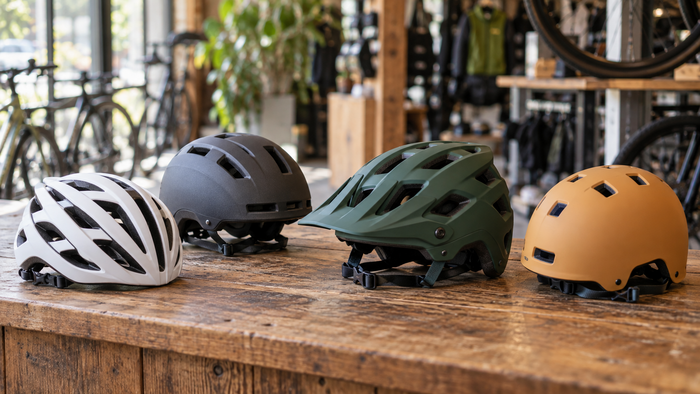
Choosing a bike helmet comes down to four things: the right size, a certification that actually applies to how you ride, a fit that stays snug, and features that match your riding style. Get the first two right and you're safe. Get all four right and you'll actually want to wear it every ride. Here's how to work through the decision.
Start With Your Riding Style
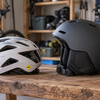
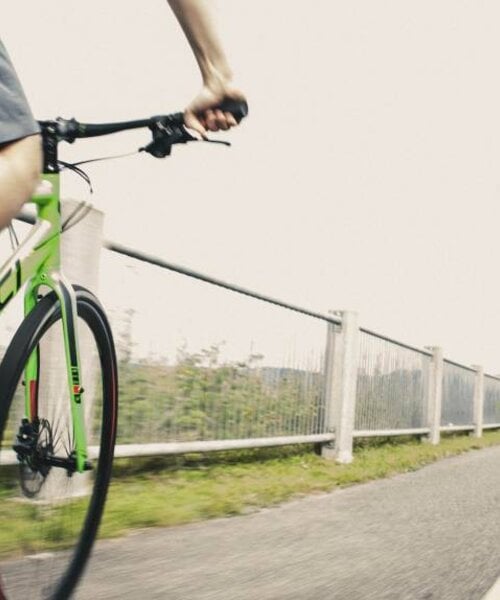
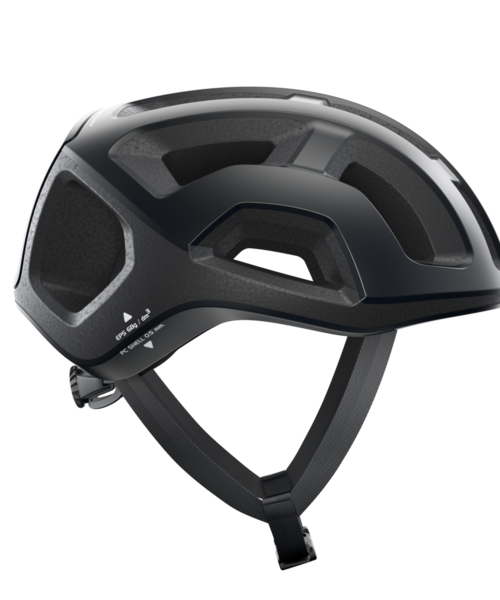
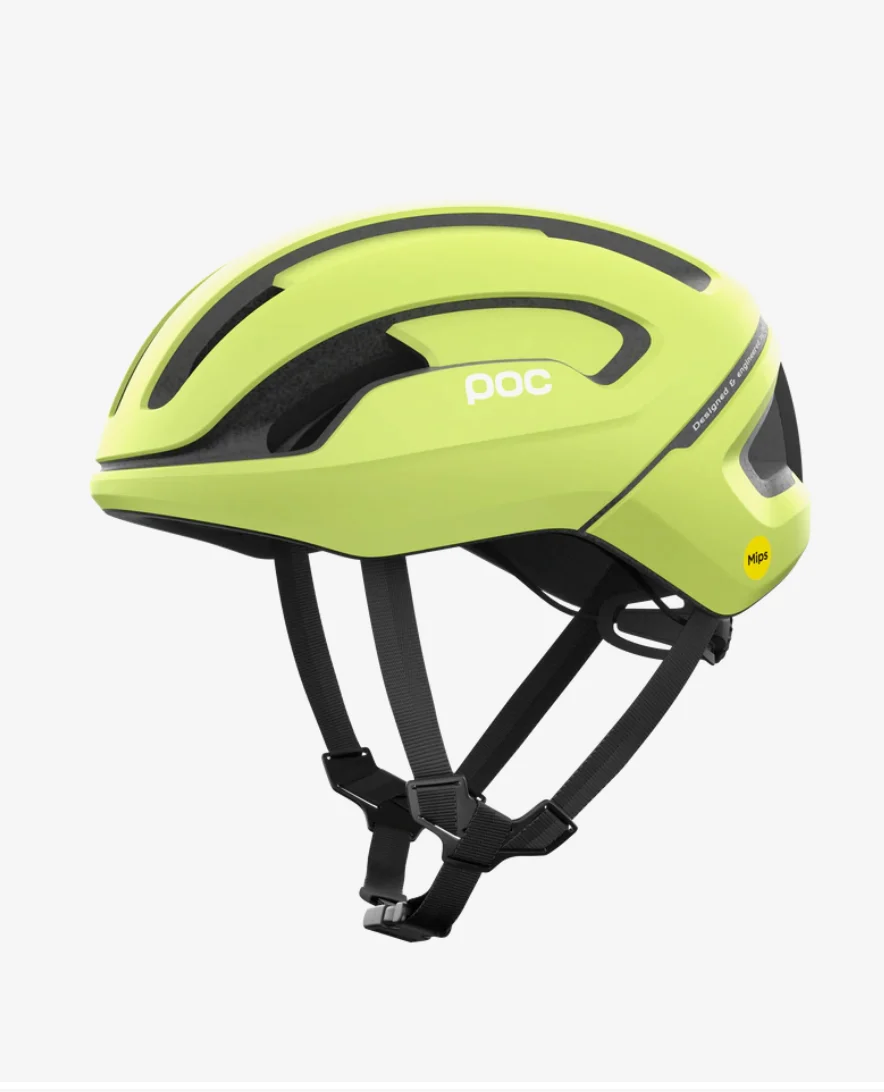
Helmets are built differently depending on what you're doing with them. A road or commuter helmet is lighter and better ventilated, built for a forward-leaning position and long hours in the saddle, think the Giro Agilis MIPS or POC Omne Air MIPS in our shop.
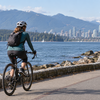
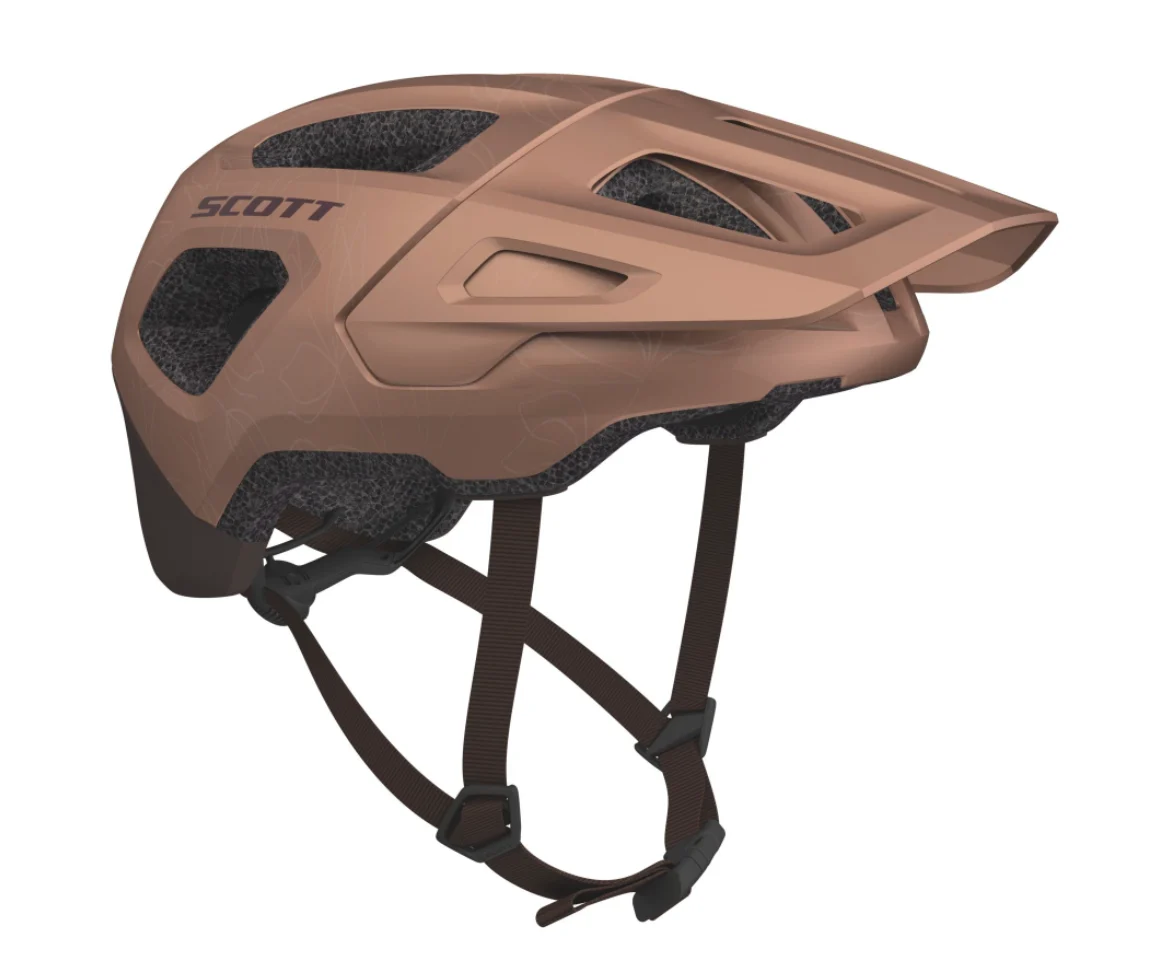
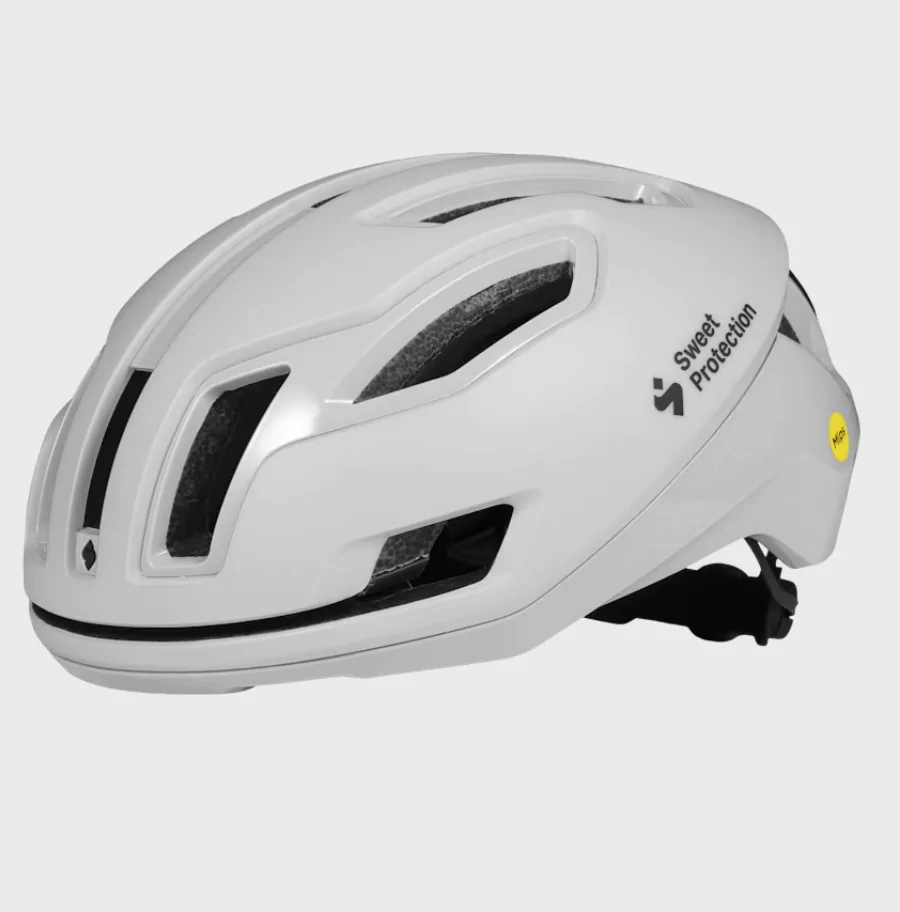
A trail or enduro helmet, like the POC Tectal Race MIPS or Sweet Protection Falconer 2Vi MIPS, adds more coverage at the back of the head, since mountain bikers are more likely to fall backward than a road rider. If you're mixing commuting on wet Vancouver streets with weekend laps on the North Shore, an all-round trail helmet is usually the more versatile pick.
Get the Size Right First
Fit starts with an accurate measurement, not a guess. Wrap a soft tape measure around your head about one inch above your eyebrows, at the widest point, and match that number to the brand's size chart, since sizing varies slightly between manufacturers. If you're between sizes, size down and rely on the retention dial to fine-tune it; a helmet that's too big will never sit securely no matter how tight you crank the strap.
Check Certification Before Anything Else
Every helmet you consider should carry a certification sticker inside the shell, most commonly CPSC in North America, sometimes alongside CSA, ASTM, or EN 1078. This isn't optional; it's the baseline that everything else in this guide builds on top of. We break down exactly what those labels mean and what BC's helmet law expects in our guide to bike helmet certification, worth a read before you buy anything without a sticker inside.
Decide If MIPS Is Worth It For You
Once certification is covered, MIPS is the next upgrade worth considering. It's a low-friction layer that lets the shell rotate slightly during an angled impact, reducing rotational force transfer to the brain, and it's standard on most of our adult helmets across brands. It isn't a certification, and it isn't required, but between two helmets that fit you the same way, it's the one we'd point you toward. Our plain-English guide to MIPS covers how it actually works and whether it's worth the extra cost for your riding.
Nail the Fit
Once you've got the right size and the right helmet type, fit is a three-point check. First, the helmet should sit level on your head with the front edge no more than an inch above your eyebrows, not tipped back. Second, the side straps should form a clean V shape just below each ear. Third, with the chin strap buckled, opening your mouth wide should pull the helmet down slightly against your head; if it doesn't, tighten the strap.
Consumer Reports recommends pushing the helmet side to side and front to back once it's on, if it shifts more than about an inch in any direction, it isn't adjusted correctly yet, regardless of what size the label says.
Match Features to How You Actually Ride
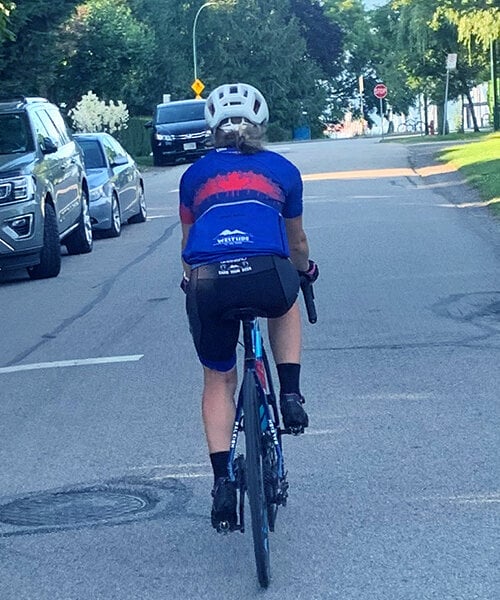
Once fit and safety are settled, the rest comes down to preference. More vents mean a cooler ride in summer but less warmth on cold commutes. A visor helps block low sun and rain on mountain bike helmets, though it's less common on road-specific designs. If you ride with a ponytail, look for a helmet with a dedicated port at the back so it sits flush instead of pushing the helmet forward. Mount compatibility matters if you're running a light or action camera; check before you buy if that's part of your setup.
Kids and Junior Sizing
Junior helmets aren't just smaller versions of adult ones; they're built to a different size range and often prioritize adjustability since kids' heads change size quickly. Our junior bike helmets are sized specifically for that, and our team can measure in-store to make sure a growing kid isn't stuck in a helmet they'll outgrow by next season.
When to Replace a Helmet
Replace a helmet immediately after any crash; even if it looks undamaged, the foam liner may have already absorbed an impact it can't absorb twice. Beyond that, plan on replacing any helmet every three to five years, since UV exposure, temperature swings, and sweat degrade the foam over time even without a hit.
Ready to find the right one? Browse our full bike helmets selection for adults and kids, or stop by the shop, and our team will help with sizing, fit, and matching a helmet to how you actually ride.