





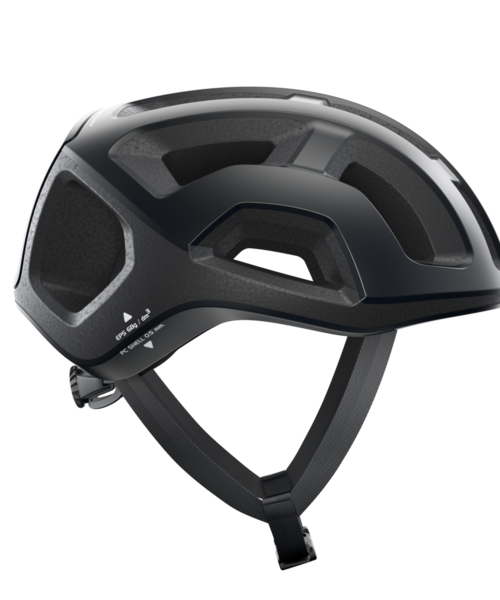

Is Your Bike Helmet Actually Certified? CSA, CPSC, and Safety Standards Explained

A certified bike helmet has passed independent impact testing from a recognized safety body and carries a sticker inside the shell to prove it, most commonly CPSC in North America, with CSA, ASTM, and EN 1078 also showing up depending on where the helmet was designed for. That sticker matters more than the price tag or the paint job. Here's how to actually read it and what BC's helmet law expects from your gear.
What "Certified" Actually Means on a Helmet
Certification means a helmet model has been independently drop-tested onto anvils at set heights and speeds, measured for how much force reaches an instrumented headform inside, and checked for strap strength and shell coverage. A helmet that passes gets a permanent label sewn or stamped inside the shell listing the standard, the manufacturer, and often a size and date code. No sticker, no proof it was ever tested, regardless of how solid the foam feels in the store.
CPSC: The Standard Almost Every Helmet Meets Today
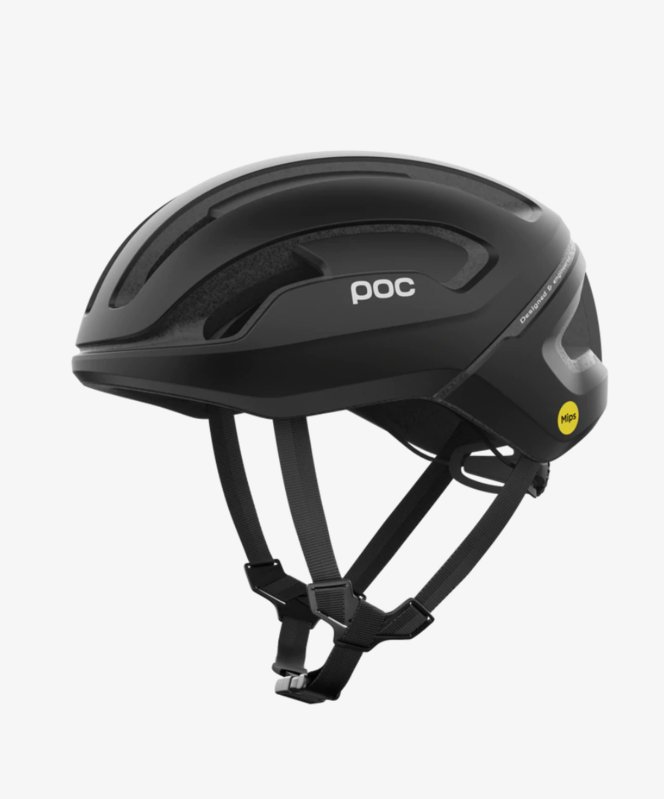
Since 1999, the U.S. Consumer Product Safety Commission has required every bicycle helmet sold in the United States to meet its CPSC 1203 impact standard, and because most major brands manufacture to one global spec rather than separate ones per country, CPSC has effectively become the helmet standard you'll find on nearly everything in our bike helmets collection, Canadian retailers included.
What BC's Helmet Law Actually Requires
Here's the part most helmet guides skip. BC's Bicycle Safety Helmet Standards Regulation, the actual law behind the province's mandatory helmet rule, lists a specific set of accepted standards: Canadian Standards Association CSA D113.2-M89, Snell B-90, B-90S, B-95, and N-94, ASTM F1447-94, and ANSI Z90.4-1984.
CPSC isn't named in that list. In practice, this is a gap between old regulatory text and current manufacturing, not a compliance problem for riders: CSA D113.2 hasn't been actively used by manufacturers in years, and every major retailer and cycling advocacy group in BC, including HUB Cycling, treats CPSC and EN 1078 as the accepted real-world equivalent.
If you're wondering about the legal side of wearing a helmet at all rather than which standard it meets, our post on whether you have to wear a helmet while cycling in BC covers that separately.
Other Standards You Might See
A few other labels turn up depending on the type of riding. ASTM F1952 is the downhill mountain bike standard, tested to harder impacts and lower coverage lines than a standard road or commuter helmet, so a Squamish or North Shore rider on gravity terrain should look for it specifically.
EN 1078 is the European standard, common on imported helmets, and functionally similar to CPSC. Snell B-95 is a voluntary standard that tests to even higher forces than CPSC, though relatively few consumer helmets carry it since it adds bulk and cost for a marginal gain most riders never need.
Where to Find the Certification Sticker
Peel back the padding or look at the foam liner directly inside the shell. The sticker is usually a small rectangular label listing the standard, manufacturer, and a model or lot number. If a helmet has no sticker at all, whether it's a hand-me-down, a garage sale find, or an off-brand online order, treat it as unverified and replace it. This is also a good moment to check the manufacture date, since foam degrades over time even without a crash.
MIPS Isn't a Certification
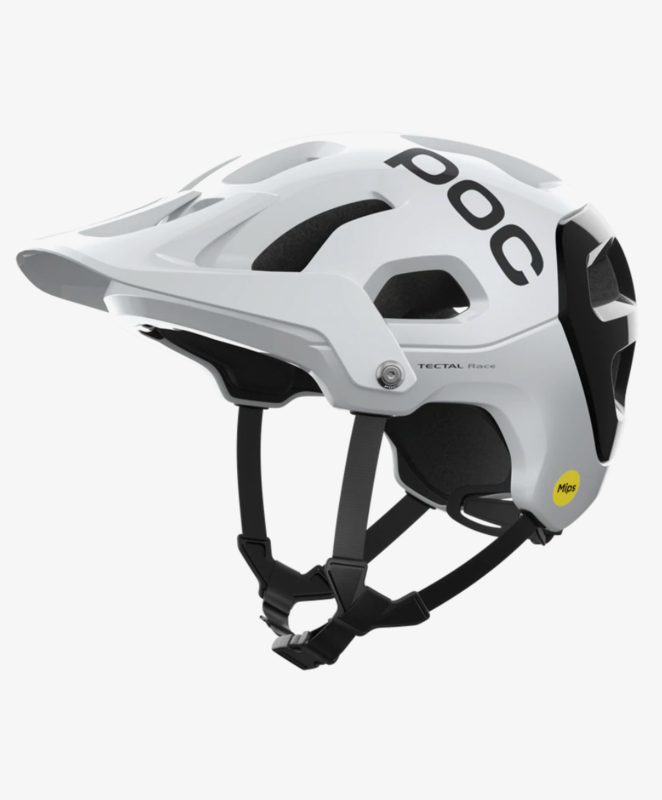
One common mix-up: MIPS is a rotational-impact technology, not a certification standard, and it doesn't replace CPSC, CSA, or any other base certification. A helmet needs to pass its impact standard first, MIPS is an added layer on top of that. We cover how it actually works in our plain-English guide to MIPS if you're comparing helmets side by side.
Frequently Asked Questions
Is DOT certification relevant to bike helmets?
No. DOT (Department of Transportation) certifies motorcycle helmets, not bicycle helmets. If you see a helmet marketed as DOT-certified, it's built for motorcycle use and isn't a substitute for a CPSC or CSA-rated bike helmet.
What's the best certification for a bike helmet?
There isn't a single "best" standard for everyday riding, CPSC, CSA, and EN 1078 all test to broadly similar real-world impact scenarios. For downhill or bike park riding specifically, look for ASTM F1952 in addition to a base certification.
Is a helmet still safe after several years?
Most manufacturers recommend replacing a helmet every three to five years even without a crash, since the foam liner degrades from UV exposure, temperature swings, and sweat. Any helmet that's taken a hard hit should be replaced immediately regardless of age.
What's the "2-2-2" rule for bike helmets?
It's a quick fit check: 2 finger-widths between your eyebrows and the helmet's edge, 2 fingers forming a V under each ear where the straps meet, and 2 fingers of space under your chin between the strap and your jaw.
Not sure if your current helmet is actually certified, or need a fit check before buying new? Our team can check any helmet in person, and our full bike helmets selection is all properly certified for Canadian riding. For the fit, ventilation, and style side of the decision, our complete guide to choosing the right bike helmet picks up where this post leaves off.