
Can You Bikepack With a Gravel Bike? What You Need to Know
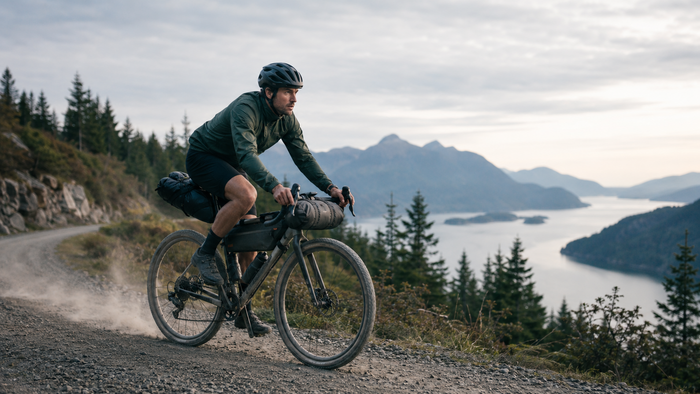
Yes, a gravel bike is one of the best choices for bikepacking, and for most riders it's the better pick over a mountain bike or touring bike. What actually determines whether your gravel bike is ready depends on three things: tire clearance, frame mounts, and gearing for climbing loaded.
Gravel bikes were built for exactly this kind of riding, mixed surfaces, long days, and the occasional rough patch, which is why they've become the default choice for routes like the Sunshine Coast or multi-day trips out to the Gulf Islands.
Why Gravel Bikes Work So Well for Bikepacking
A gravel bike sits in the sweet spot between a road bike and a mountain bike. You get the pedaling efficiency of drop bars and a lighter frame, plus enough tire clearance and mounting points to carry gear over unpaved terrain. A loaded touring bike is more stable but heavier and slower on pavement. A hardtail mountain bike handles rough singletrack better but drags on the road sections that make up most multi-day routes. Gravel splits the difference, which is exactly why it's become the default bike for the category.
Tire Clearance: The First Thing to Check
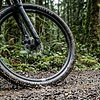
Tire width does more for a loaded bike than almost anything else. Wider tires run at lower pressure, which absorbs bumps and keeps you comfortable over long days, and they add stability once the bike is carrying extra weight in bags. For light overnight trips on hardpack gravel, 40mm is workable. For rougher terrain or multi-day loaded touring, look for a frame that clears 45mm or wider, which gives you room to size up if the terrain demands it.
This is the same clearance question we cover in our guide to choosing a gravel bike, and it's worth checking before you buy if bikepacking is part of the plan.
Frame Mounts: Where Your Gear Actually Goes
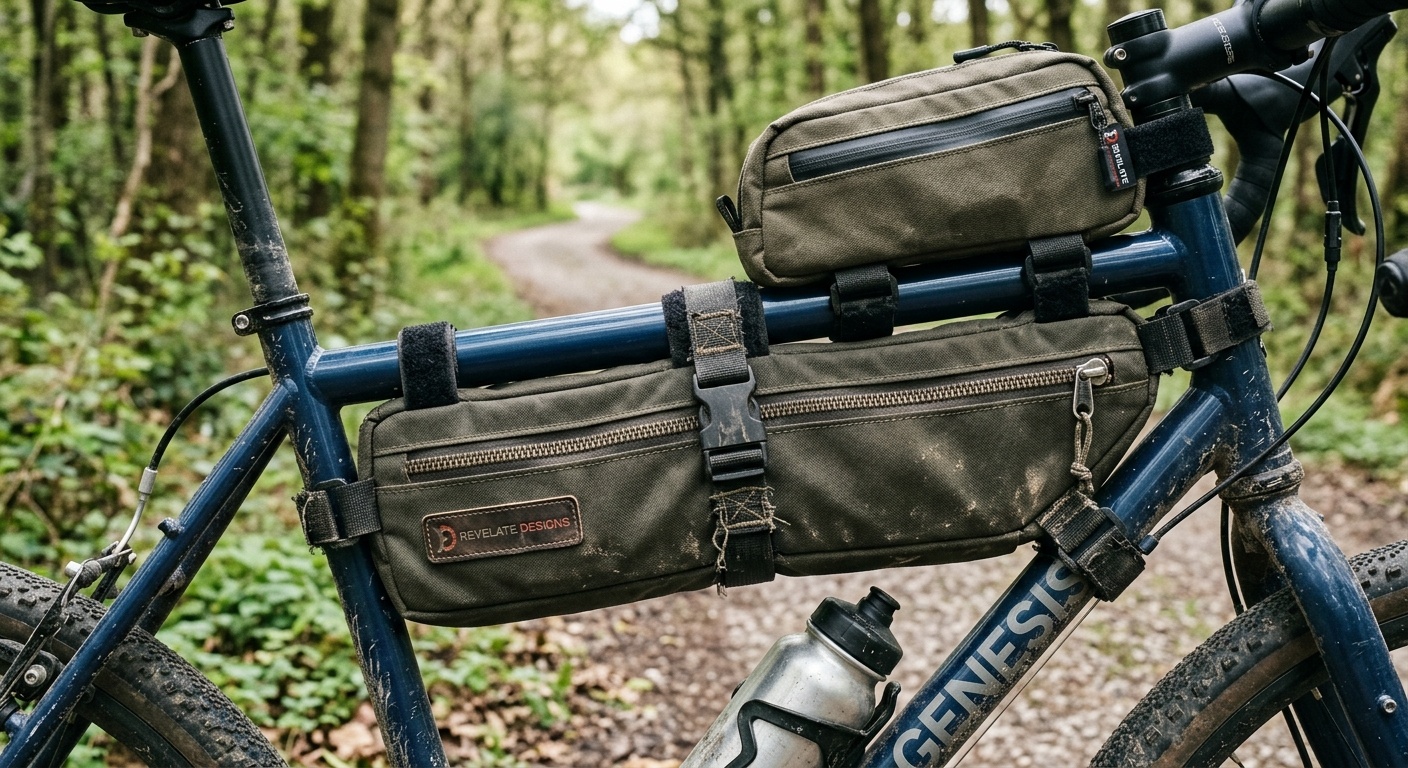
Not every gravel bike is built the same when it comes to carrying gear. Race-oriented frames often have minimal mounting points, just enough for two bottle cages, while adventure and endurance-focused frames add mounts on the fork legs, top tube, and sometimes inside the frame itself for internal storage. If bikepacking is more than a one-off for you, prioritize a frame with mounts over one that only looks faster on paper.
Bags Over Racks and Panniers
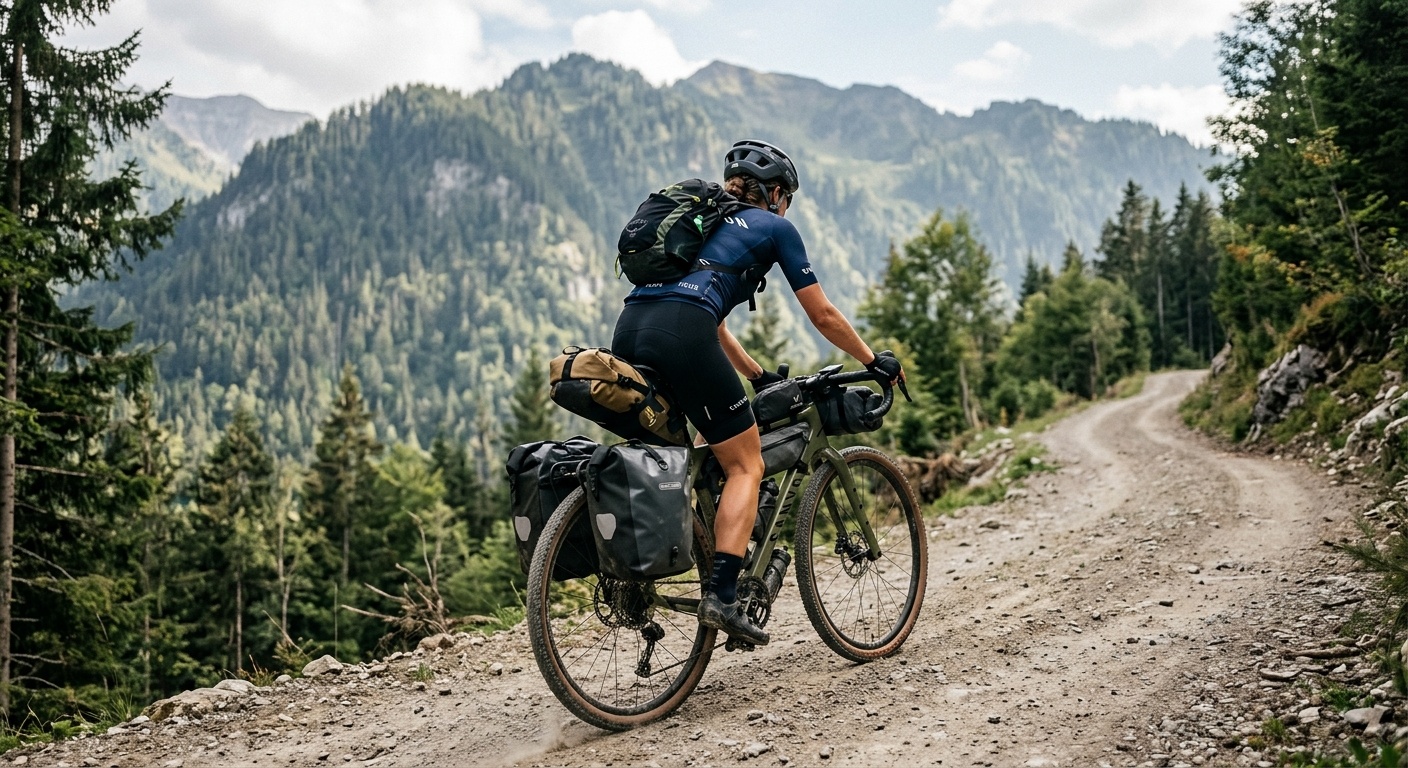
Bikepacking setups use soft, strapped or bolted bags instead of the racks and panniers you'd see on a traditional touring bike. A seat pack and frame bag cover most overnight trips, adding a handlebar roll if you need more room for a sleeping bag or extra layers. This setup keeps weight low and centred on the bike, which matters more than most riders expect once you're descending loaded on loose gravel.
Gearing for Climbing Loaded
A loaded bike climbs differently than an empty one, and this is where gearing choice matters most. Most gravel bikes now ship with 1x drivetrains and a wide-range cassette, which gives you a low enough gear to keep spinning up a loaded climb instead of grinding. If you're planning routes with sustained climbing, like anything up the Sea to Sky corridor, check the lowest gear on a bike before assuming it'll be enough once it's carrying 10 to 15kg of gear. 1x drivetrains are much easier to customize and make climbing those hills easier.
What a Gravel Bike Won't Do
Gravel bikes have limits. If your route is mostly technical singletrack with roots, drops, or sustained rough descents, a hardtail or full-suspension mountain bike will carry a load more comfortably and safely. Gravel bikes are built for efficiency on mixed terrain, not for absorbing repeated hard hits. Know your route before assuming your gravel bike is the right tool for it.
Frequently Asked Questions
Do I need a special gravel bike for bikepacking, or will any gravel bike work?
Most gravel bikes can handle light overnight bikepacking. For multi-day or loaded trips, prioritize a frame with more mounting points and tire clearance of 45mm or wider over a race-oriented model with minimal mounts.
What's the difference between bikepacking and bike touring?
Bikepacking uses strapped or bolted bags and is built for mixed and off-road terrain. Bike touring typically uses racks and panniers and leans toward paved or well-maintained routes and will use heavier steel frames. Gravel bikes are suited to both, but bikepacking bags are the better match for rougher terrain.
How much weight can a gravel bike carry while bikepacking?
Most gravel bikes handle 10 to 15kg of gear comfortably when it's distributed across a seat pack, frame bag, and handlebar roll. Beyond that, check your specific frame's weight limit and consider whether a touring or mountain bike suits the trip better.
Is a gravel bike better than a mountain bike for bikepacking?
For mixed terrain and long days that include paved or hardpack sections, yes. For routes that are mostly rough singletrack, a mountain bike carries a load more comfortably and handles technical terrain better.
Plan Your Next Trip
The right gravel bike for bikepacking comes down to tire clearance, mounts, and gearing that can handle a loaded climb, not just what looks fastest in the shop. For tire-specific advice once you've picked a frame, see our guide to gravel bike tires. Browse our full gravel bikes collection or come in and our team can help you figure out what setup fits your next trip.