
What Is MIPS? A Plain-English Guide to Helmet Safety Technology
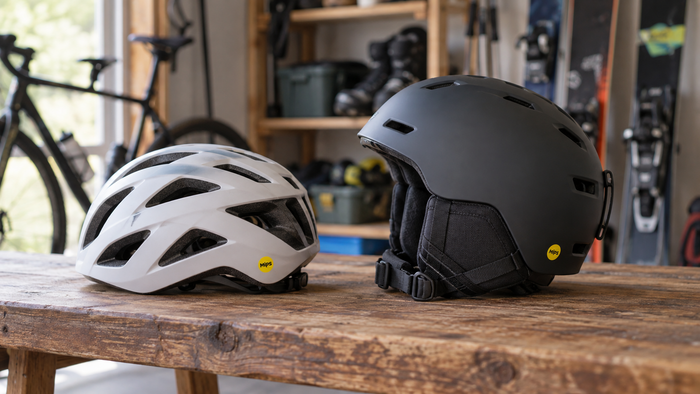
MIPS stands for Multi-Directional Impact Protection System, a thin, low-friction layer built into a helmet that lets the shell rotate slightly, about 10 to 15 millimetres, independently of your head during a crash. It won't stop a direct hit from hurting, but it's designed to reduce the rotational forces that cause many concussions. If you've shopped for a bike or ski helmet lately, you've likely seen the little yellow MIPS logo and wondered whether it's worth paying for. Here's what it actually does.
What MIPS Actually Does Inside a Helmet
Most helmet crashes aren't straight-down drops. You clip a curb, catch an edge on wet pavement, or go over the bars on a root-covered North Shore trail, and the impact comes in at an angle. That angled hit twists the head as well as jolting it, and the Swedish company behind MIPS was founded by a neurosurgeon and a helmet-safety researcher specifically to address that twisting motion, which standard foam liners weren't built to manage.
Inside a MIPS helmet, a plastic slip-plane sits between the foam liner and the padding against your head. On an angled impact, that layer lets the shell move a small amount separately from your skull, redirecting some of the rotational energy instead of transferring all of it straight to your brain. Some newer designs, like Mips Spherical used in certain Giro helmets, swap the slip-plane for two foam layers that rotate against each other, same idea, different mechanism.
Why Rotational Impacts Matter More Than a Direct Hit
Standard helmet certification tests have historically focused on linear impacts, a helmet dropped straight onto a flat anvil. Real crashes rarely happen that way. A 2019 comparative study of bike helmets found that rotation-damping designs, including MIPS, meaningfully reduced the rotational kinematics linked to concussion risk compared to helmets without the technology.
That's the gap MIPS was built to close. It doesn't replace certification, it works alongside it to cover impacts that a straight-drop test doesn't capture. If you want the full breakdown of what certification actually tests for, our guide on how CSA and other safety standards work covers that separately.
Is a MIPS Helmet Worth the Extra Cost?
There's no lab result that guarantees a MIPS helmet will outperform a non-MIPS helmet in every crash, and MIPS itself doesn't claim otherwise. What the research does show is a consistent reduction in rotational force across a range of angled-impact scenarios, which is the type of hit most riders and skiers actually experience. For a helmet that already fits well and meets certification, adding MIPS is a low-cost upgrade for a real, if not guaranteed, safety margin. It's rarely the deciding factor on its own, fit still matters more than any single technology, but between two helmets that fit you the same way, the MIPS option is the one we'd point you toward.
MIPS on Bike Helmets vs Ski and Snowboard Helmets
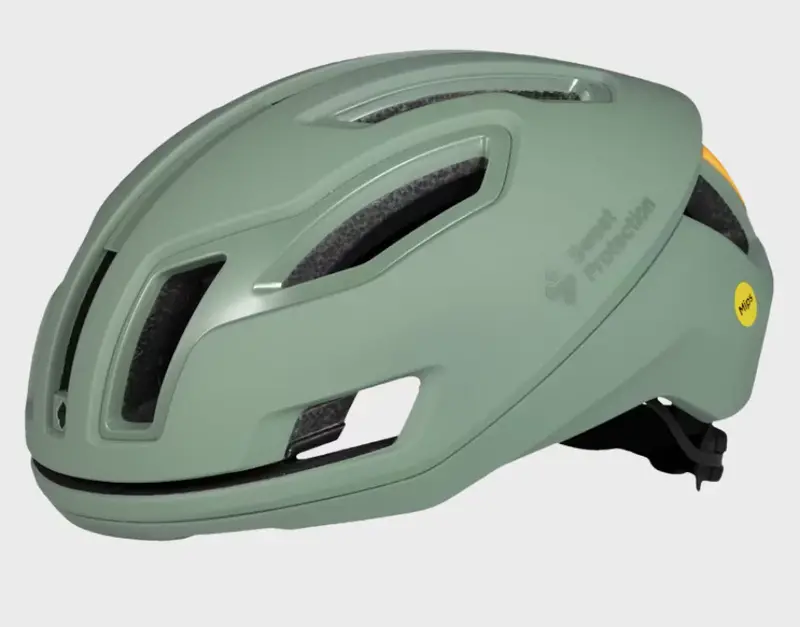
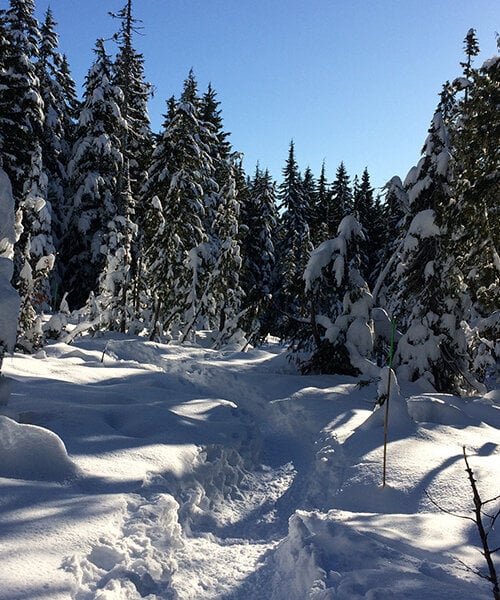
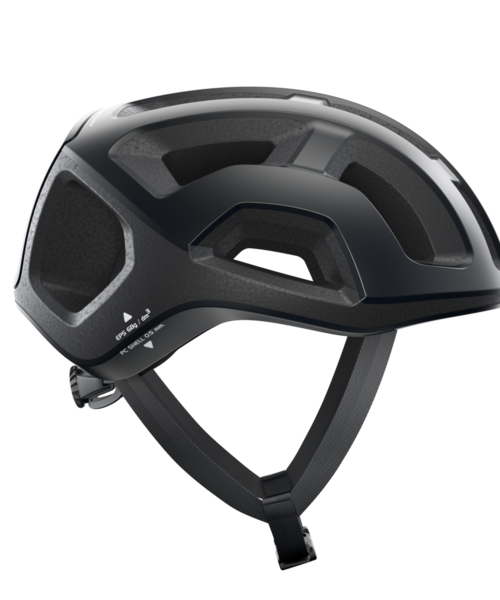
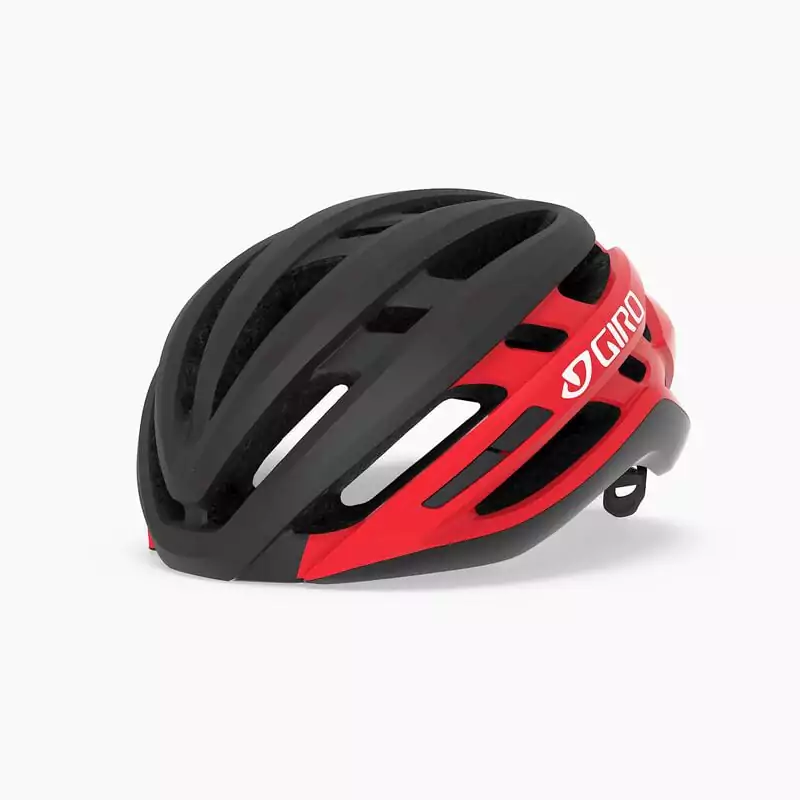
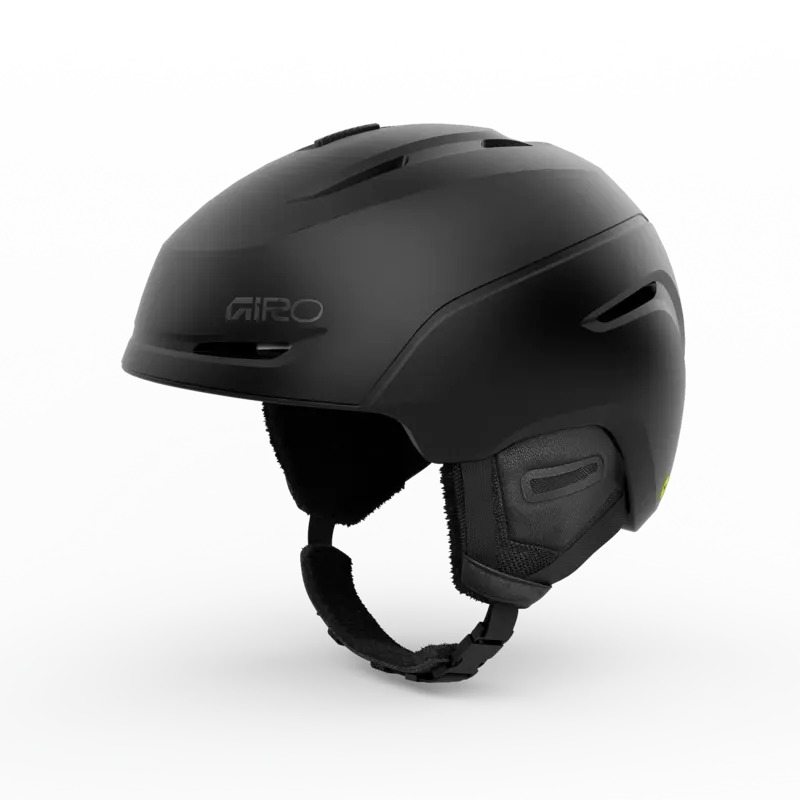
MIPS isn't limited to cycling. You'll find it across our ski and snowboard helmet lineup too, and the logic is the same in both settings: any activity where a fall can twist your head sideways benefits from a slip-plane. On the bike side, we carry MIPS across most of our adult range, including the Giro Agilis MIPS, POC Tectal Race MIPS, and Sweet Protection Falconer 2Vi MIPS, spanning commuter, road, and trail use. If you're commuting on wet Vancouver streets one day and hitting Cypress or the North Shore the next, the same slip-plane logic applies to both, though ski and bike helmets are built to entirely different impact standards and are never interchangeable.
How to Tell If a Helmet Has MIPS
Look for the circular yellow MIPS logo on the box or the inside of the shell, or check the product description on our bike helmets and snow helmets collection, where MIPS-equipped models are called out directly. Not every helmet has it, and not every rider wants to pay for it, but if you're comparing two similarly priced helmets that fit the same way, checking for that logo is a quick way to break the tie. For a full walkthrough of fit, certification, and ventilation alongside MIPS, our complete guide to choosing the right bike helmet covers the rest of the decision.
Frequently Asked Questions
Is a MIPS helmet actually better than a non-MIPS helmet?
In angled-impact testing, yes, MIPS helmets show reduced rotational force transfer compared to otherwise identical helmets without it. It's an added layer of protection, not a replacement for proper fit or certification.
What's the difference between MIPS and non-MIPS helmets?
A MIPS helmet has a low-friction slip-plane or dual-liner system inside that allows a small amount of independent movement during a crash. A non-MIPS helmet relies solely on the foam liner to absorb impact, with no built-in mechanism for rotational forces.
Does MIPS make a helmet feel different to wear?
Modern MIPS integrations are designed to preserve the helmet's original fit, weight, and ventilation. Older designs sometimes felt slightly roomier or added a bit of weight, but current models are built to feel close to their non-MIPS counterparts.
How long does a MIPS helmet last?
The same as any helmet, generally three to five years with normal use, sooner if it takes a hard hit. Replace any helmet immediately after a crash, MIPS or not, since the internal materials may be compromised even without visible damage.
Is MIPS required for BC's helmet law?
No. BC's helmet law requires an approved, certified helmet, not a specific technology. MIPS is an added feature on top of certification. For the certification and legal side of things, see our guide on whether you have to wear a helmet while cycling in BC.
Ready to find one that fits? Browse our full selection of bike helmets and ski helmets, including MIPS and non-MIPS options for adults and kids, and our team can help you match fit, riding style, and budget in person.