
How to Choose Gravel Bike Tires: Width, Tread and Terrain
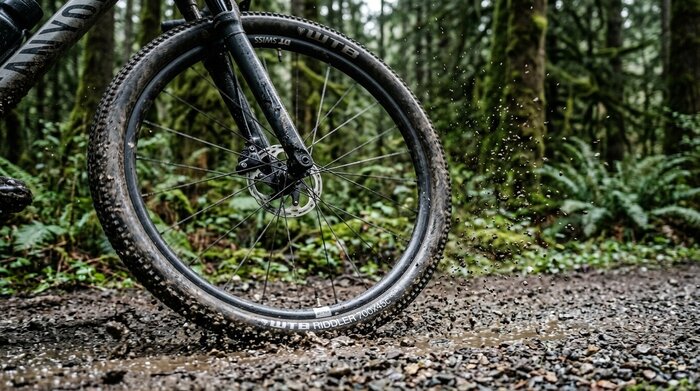
How to choose gravel bike tires comes down to three factors: width, tread pattern, and the terrain you actually ride most. Get those three matched up, and the tire disappears into the background, which is exactly what you want. Get them wrong, and even a great bike feels off.
Vancouver's coastal climate adds a fourth factor most guides skip: wet traction. Between rain-slicked roots on North Shore-adjacent gravel and greasy hardpack after a wet week, tread choice matters more here than it does in a dry climate.
Tire Width: Start Here
Width affects comfort, speed, and grip more than any other single spec. Narrower tires, in the 35mm to 38mm range, roll faster on pavement and hold up better on long paved stretches, which suits riders whose routes lean toward road with the occasional gravel section. They also suit older first generation gravel bikes. Wider tires, 42mm and up, run at lower pressure, which improves comfort and traction once the surface gets loose, rutted, or wet.
The rule of thumb: run the widest tire your frame clears and your riding style calls for. A frame's maximum tire clearance is a hard limit, so check it before buying, a detail we cover in our guide to choosing a gravel bike.
Tread Pattern: Match It to Your Surface
Tread does the opposite job of width; it fine-tunes grip for a specific surface rather than changing overall comfort. Slick or file-tread tires roll fastest and are best if most of your riding stays on pavement or hardpack. Light-tread tires with small, tightly spaced knobs add grip on loose gravel and light dirt without much rolling resistance penalty. Aggressive, widely spaced knobs grip best in mud and loose, wet terrain, at the cost of speed on pavement.

Tubeless: Worth It for Gravel
Tubeless setups let you run lower pressure without the pinch-flat risk that comes with tubes, and the sealant inside seals most small punctures on the spot. For gravel riding specifically, where sharp rocks and debris are a constant, tubeless is close to a default choice at this point. It costs more upfront in setup, but most riders who switch don't go back.
Tire Pressure Changes Everything
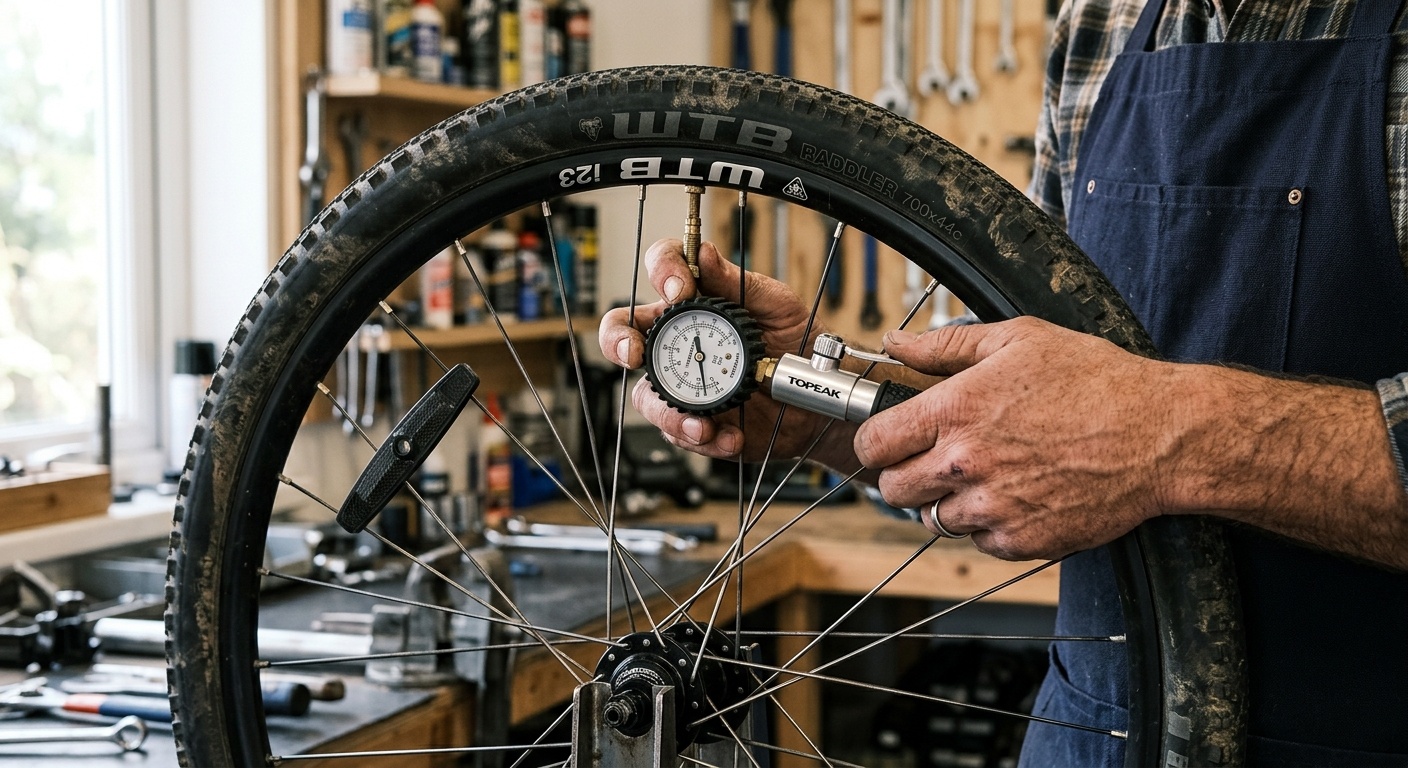
The right tire loses most of its benefit if the pressure is wrong. Lower pressure increases the tire's contact patch, improving grip and comfort on rough terrain, but go too low and you risk pinch flats or a squirmy, unstable feel in corners. Higher pressure rolls faster on pavement but transmits more vibration and loses grip once the surface gets loose.
As a starting point, most riders run somewhere between 25 and 45 PSI depending on tire width, rider weight, and terrain, wider tires and rougher terrain call for lower numbers. Tubeless setups let you push toward the lower end of that range without flat risk. Experiment in 3 to 5 PSI increments until the bike feels planted without feeling sluggish.
Frequently Asked Questions
What size tires should I run on a gravel bike?
For mixed pavement and light gravel, 40mm and up covers most riding. For rougher terrain or loaded bikepacking, size up to 45 mm or wider if your frame clears it.
Do I need knobby tires for gravel riding?
Not always. Light tread works for most gravel and hardpack, especially around Vancouver, where wet roots and mud call for some grip. Fully slick tires suit pavement-heavy routes, while aggressive knobs are only necessary for mud or loose, wet terrain.
Should I run my gravel tires tubeless?
Yes, for most riders. Tubeless lets you run lower pressure for better grip and comfort while sealing small punctures automatically, which matters on terrain covered in sharp gravel and debris.
What tire pressure should I run for gravel riding?
Most riders land between 25 and 45 PSI depending on tire width and terrain. Wider tires and rougher surfaces call for lower pressure; narrower tires and more pavement call for higher pressure.
Get the Right Tires for Your Riding
The right gravel tire comes down to matching width and tread to the terrain you actually ride on, then dialing in pressure once it's mounted. If you're still deciding on a frame or want to know how bikepacking changes the tire equation, see our guide to gravel bikepacking. Browse our full gravel bikes collection or come in and our team can help you find the right setup.