
How to Choose a Gravel Bike: A Buyer's Guide for Vancouver Riders
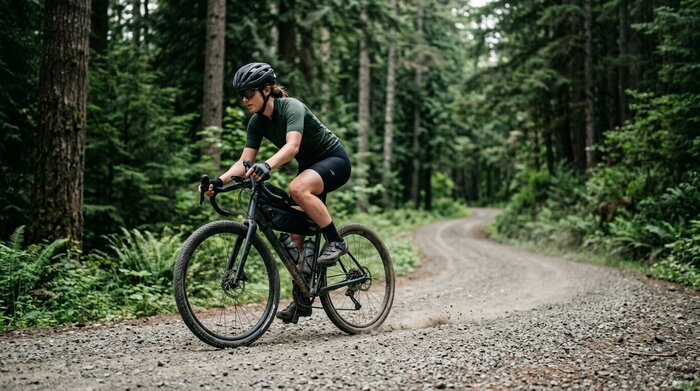
How to choose a gravel bike comes down to four questions: where you'll actually ride it, what frame material fits your budget, whether you want 1x or 2x gearing, and how much tire clearance you need. Get those four right, and the rest, brakes, mounts, wheel size, falls into place.
Vancouver makes this an easy bike to justify. Between the Arbutus Greenway, the gravel forest roads up the Sea to Sky corridor, and farm roads out in the Fraser Valley, a gravel bike covers more of what's around metro Vancouver than a road bike or a hybrid ever could.
Start With How You'll Actually Ride It
Gravel bikes span a wider range than most riders expect, from race-oriented rigs built to be quick on mixed terrain to loaded touring bikes built to carry gear for days. Before comparing spec sheets, think about what a normal ride actually looks like for you.
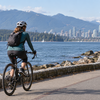
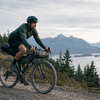
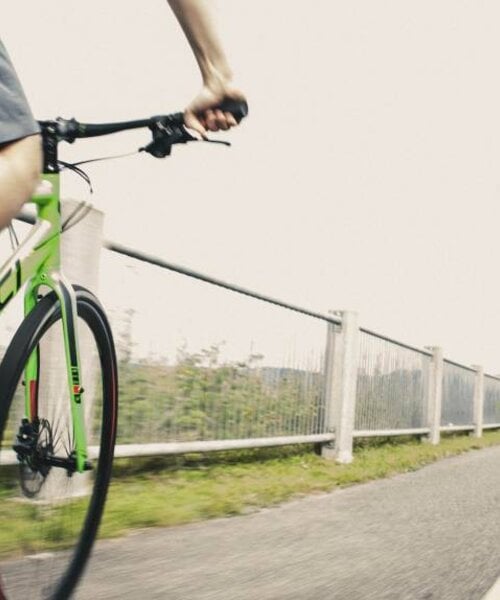
If most of your riding is commuting along the Seawall with the occasional detour onto packed gravel, you want a bike that's efficient on pavement first. If you're heading up logging roads past Squamish or planning overnight trips out to the Gulf Islands, you want more tire clearance, mounting points for bags, and a frame built for comfort over distance. And if you're eyeing a local gravel race, a race-specific geometry with a lower front end will reward you on the clock. Most riders land somewhere in the middle, which is exactly what the bikes in our gravel lineup are built for.
Frame Geometry and Tire Clearance
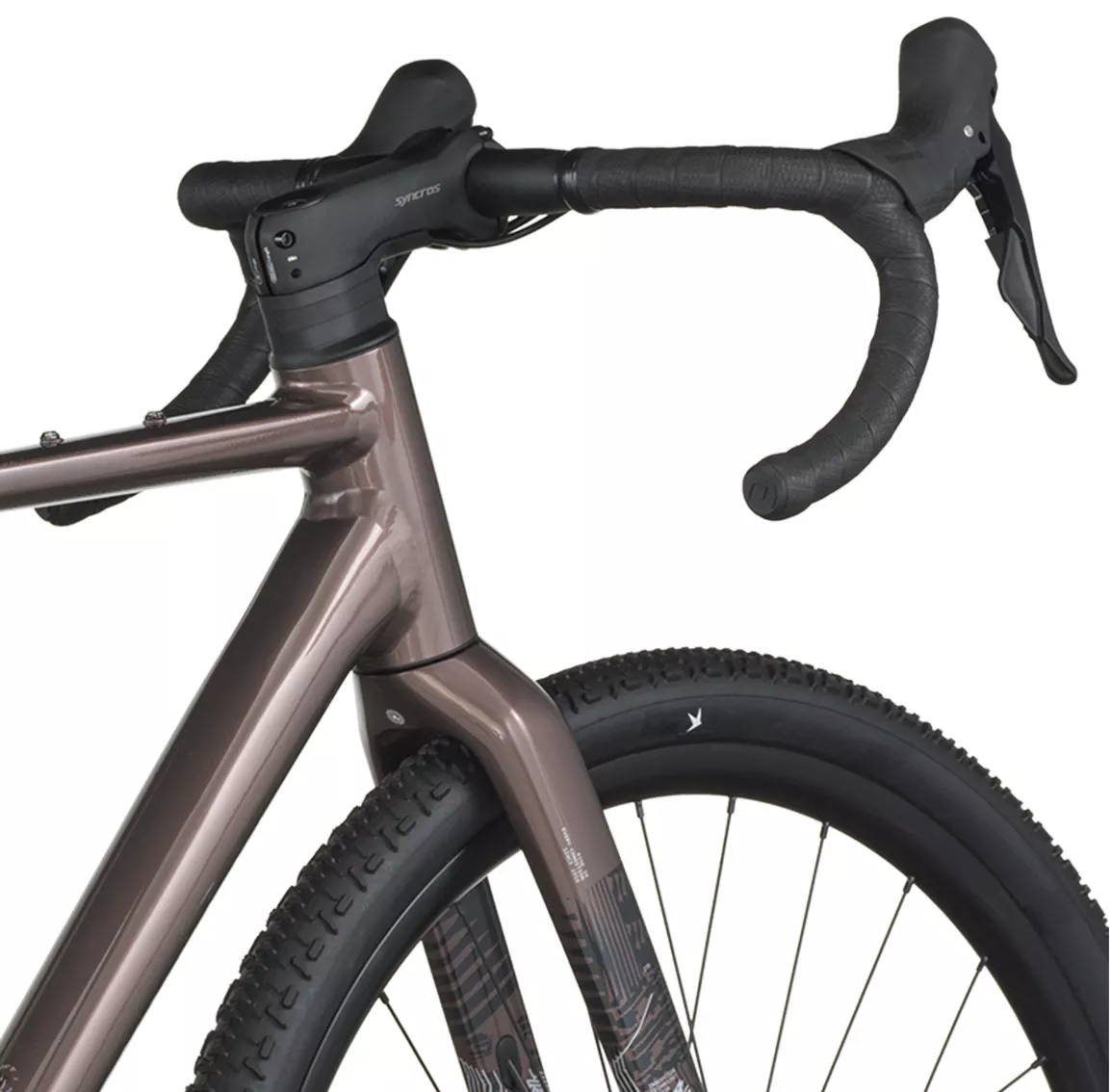
Geometry is the difference you'll feel first. Race-oriented gravel bikes borrow more from road bikes: a lower front end, quicker steering, and clearance for tires in the 35mm to 40mm range. Adventure and endurance geometry sits you more upright, with a longer wheelbase for stability and clearance that often stretches to 45mm or wider, which matters once the surface gets loose or rutted.
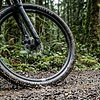
Tire clearance is worth checking before anything else, because it caps what the bike can ever do. A frame that maxes out at 38mm will always be a faster, twitchier ride built for hardpack and gravel roads. A frame that clears 45mm or more can run bigger, knobbier tires for rougher terrain or loaded bikepacking, at some cost to on-road speed.
Frame Materials: Aluminum or Carbon
The choice mostly comes down to budget and how much weight matters to you. Aluminum frames cost less and shrug off the odd curb strike or gravel spill better than carbon, which makes them a sound choice for a first gravel bike or one that's going to see rough treatment. Carbon frames absorb vibration better and shave real weight off the bike, which shows up most on long days or steep climbs.
Gearing: 1x or 2x
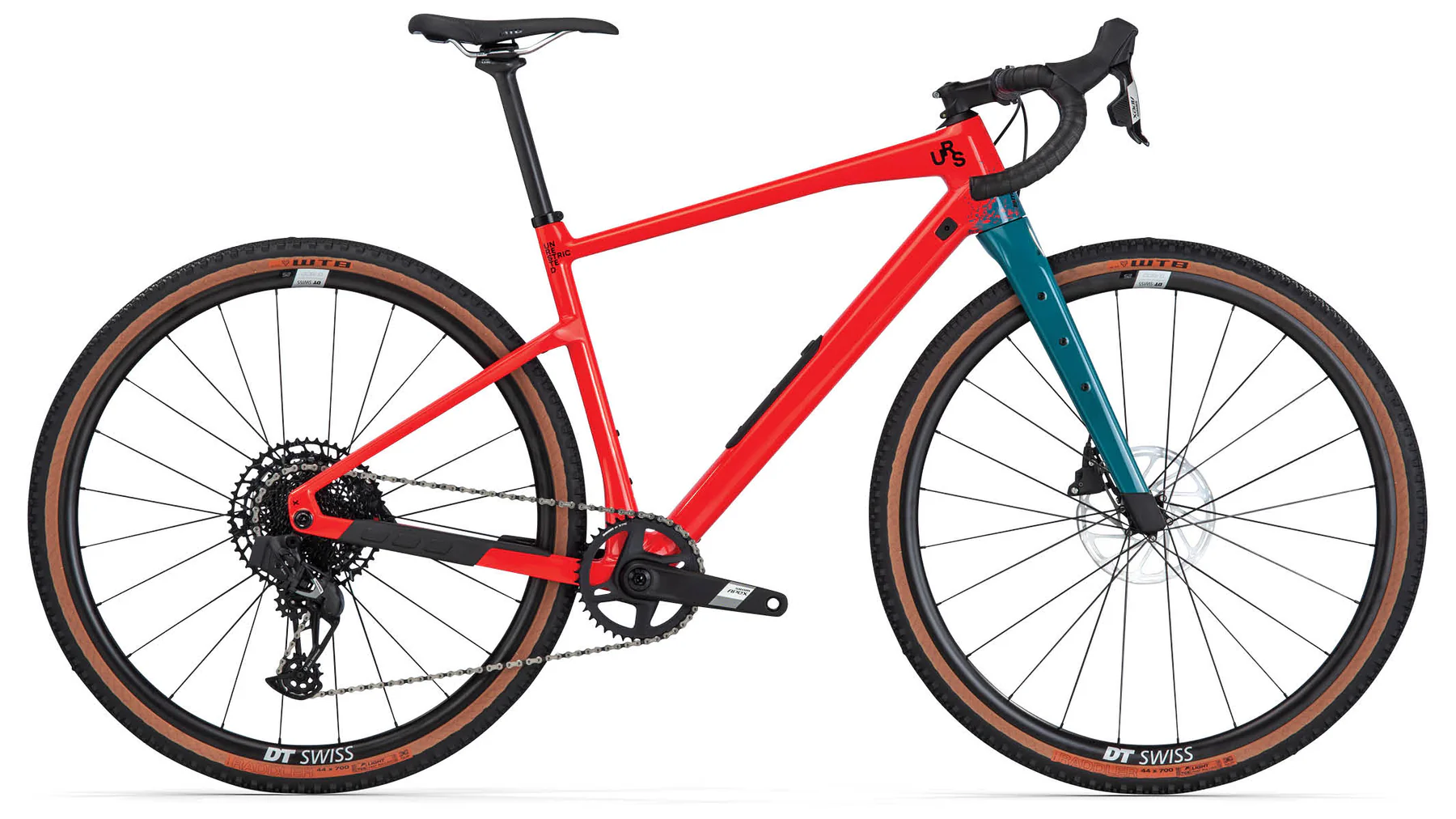
A 1x (one-by) drivetrain has a single chainring up front paired with a wide-range cassette in back. It's simpler, shifts better on rough terrain, and is easier to maintain, which is why it's become the default on most gravel bikes sold today. A 2x (two-by) drivetrain adds a second chainring, giving you tighter gaps between gears, useful if you're mixing long paved stretches with climbs and want to fine-tune your cadence and care more about top speed rather than easy climbing.
Most riders are well served by 1x. It's the simpler system, and the gear range on modern gravel-specific drivetrains, like Shimano's GRX and SRAM, covers nearly everything you'll encounter around Vancouver. Riders wanting to be faster on road and maybe wanting to do a fondo on their gravel bike still benefit from 2x.
Brakes and Componentry
Hydraulic disc brakes are the standard on every gravel bike worth buying today, and for good reason. They give you far more stopping power and control in the wet than rim and cable actuated disc brakes, which matters constantly on the coast. Mechanical disc brakes exist and cost less, but they need more frequent adjustment and give up real stopping power on long descents, so we'd steer most riders toward hydraulic if the budget allows it.
Getting the Right Fit
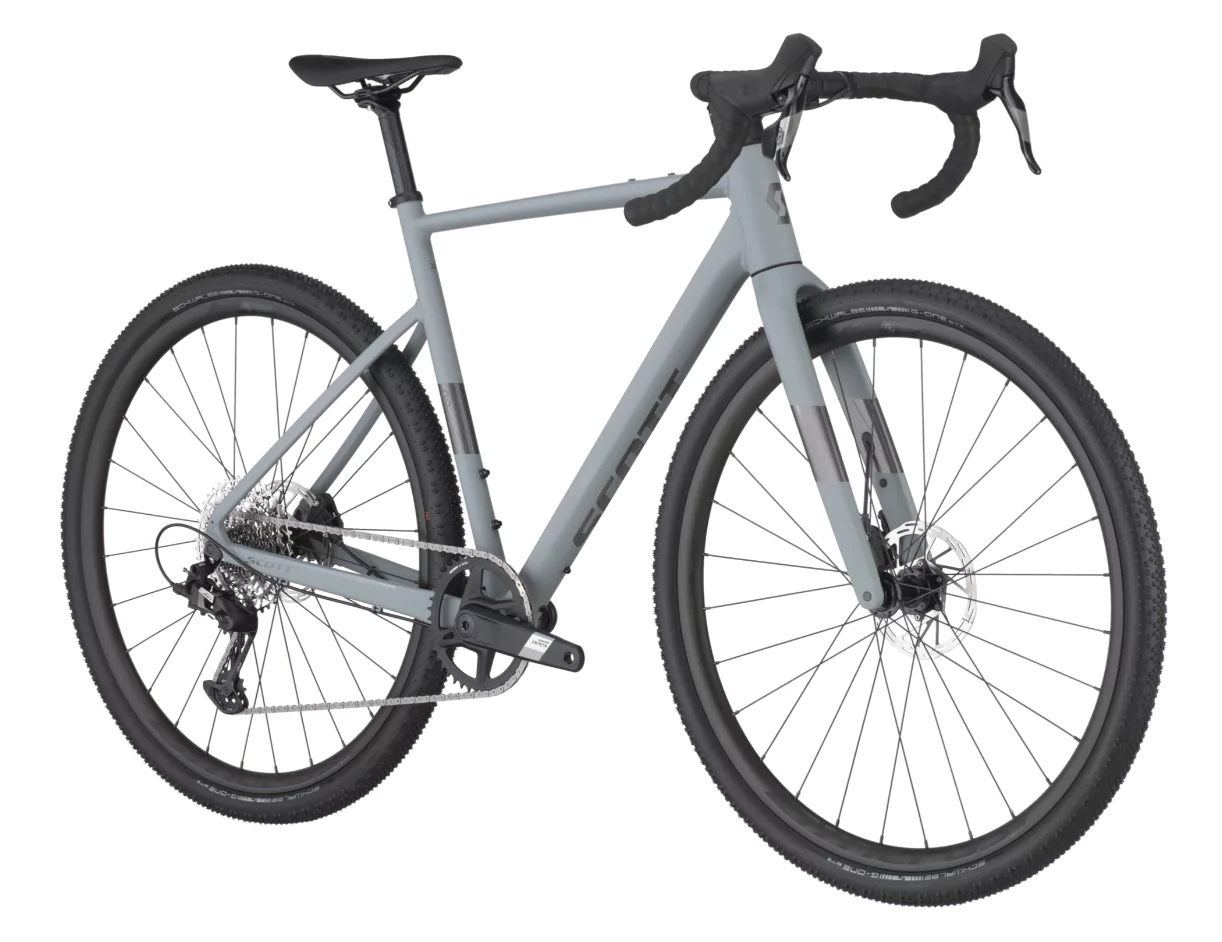
Gravel bike geometry differs from road bike geometry even at the same stated size, so don't assume your road bike size carries over directly. Our team, Steve, Jakub, Chris, and others, can walk you through reach and stack on the specific models we carry and get you on a size that actually fits your riding position, not just your height range on a chart. If you're between sizes, a short test ride, tells you more than a geometry chart ever will.
Before You Hit the Gravel
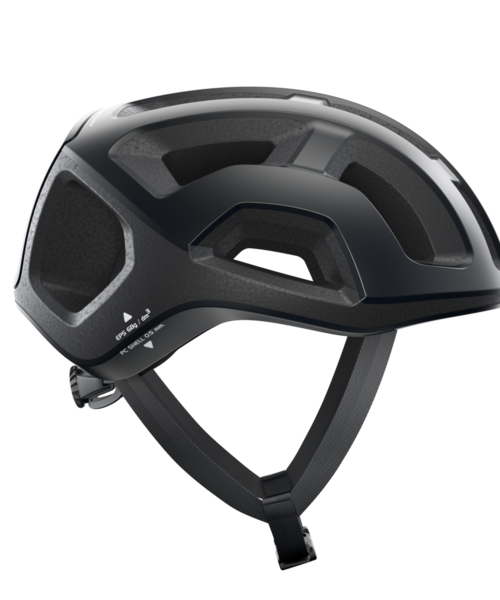
A helmet is required by law in BC, on gravel roads just as much as on the Seawall. We've covered the specifics, including what counts as an approved helmet, in our guide to BC's helmet law. If you're still deciding between a gravel bike and something else for daily commuting, our guide to choosing a commuter bike compares gravel, hybrid, and road options side by side.
Frequently Asked Questions
How much should I spend on a gravel bike?
Our current gravel lineup runs from just over $2,000 to just over $5,000, and the sweet spot for most riders who want a capable, versatile bike sits in the middle of that range. Spending more mainly buys you a lighter frame and higher-end components rather than a fundamentally different bike.
Is a gravel bike good for commuting in Vancouver?
Yes, especially if your commute mixes pavement with the Seawall, greenways, or the odd gravel shortcut. A gravel bike with narrower tires fitted will feel close to a road bike on pavement while still handling rougher patches without issue. A gravel bike is also safer, with wider tires giving better braking and traction for the wet or dirty roads, especially in winter.
Should I get 1x or 2x gearing?
1x is the right call for most riders, since it's simpler to maintain and the gear range on modern drivetrains covers nearly all local terrain. 2x is worth considering if you're concerned about top speed.
What tire width should I run on a gravel bike?
For mixed pavement and light gravel, 40 to 45 mm covers most riding. For rougher terrain, loose surfaces, or loaded bikepacking, look for a frame that clears 45mm or wider so you have room to size up later.
Ready to Find Your Gravel Bike
The right gravel bike comes down to matching the frame, gearing, and tire clearance to how you'll actually ride it, not chasing the highest spec sheet. Come test ride a few in person, and our team will help you narrow it down. Browse our full gravel bikes collection to see what's in stock right now.